
a 443-bed nonprofit medical center in Southern California
Medical Lab Case Study: 30x Faster Sample Prep in Southern California
A documented Southern California medical lab case study where automation delivered 30x faster sample prep, 80% less pickup time, and 50% faster reception.
- 30x
- faster sample prep
- 80%
- less pickup time
- 50%
- less reception time
- 83%
- faster archive retrieval
Based on a documented real-world deployment. Figures are from public reporting; the organization is not named.
Where Specimen Flow Was Breaking Down
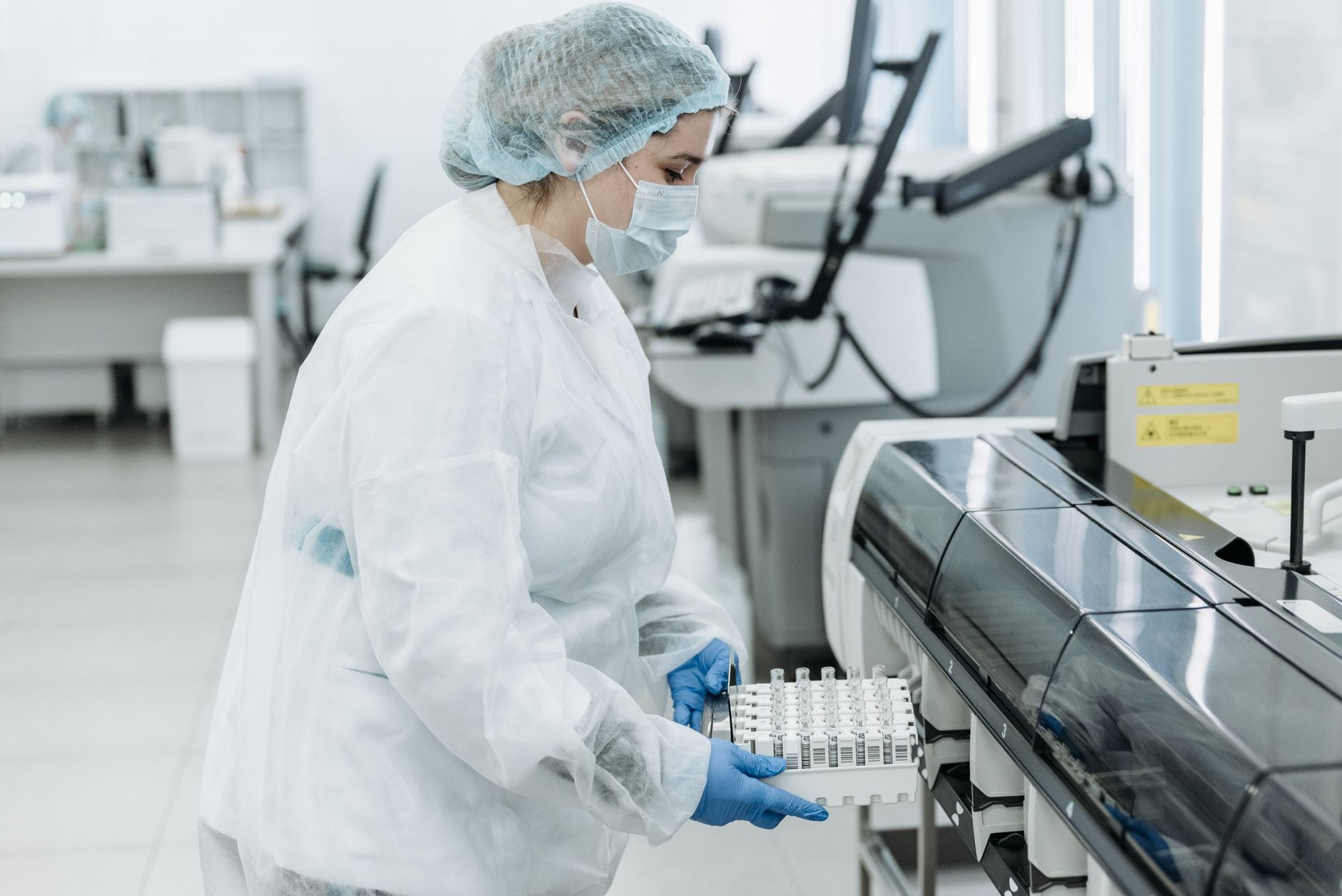
At a 443-bed nonprofit medical center in Southern California, the pre-analytical chain had too many handoffs and too little visibility. Samples moved from collection sites to the lab through courier runs, and staff were supporting seven collection stations that handled around 1,000 samples a day.
Before automation, specimens were not always ready at pickup, couriers had to verify manifests by hand, and the lab lacked clean status visibility once samples were in transit. The published account also cites unbalanced workloads, higher stress, workflow drag that affected pre-analytic quality, and no temperature validation during transport.
- Seven collection stations fed the workflow
- Around 1,000 samples moved through the process each day
- Couriers manually checked specimen manifests at pickup
- Staff had limited visibility into specimen status during transit
How Intake Was Reworked
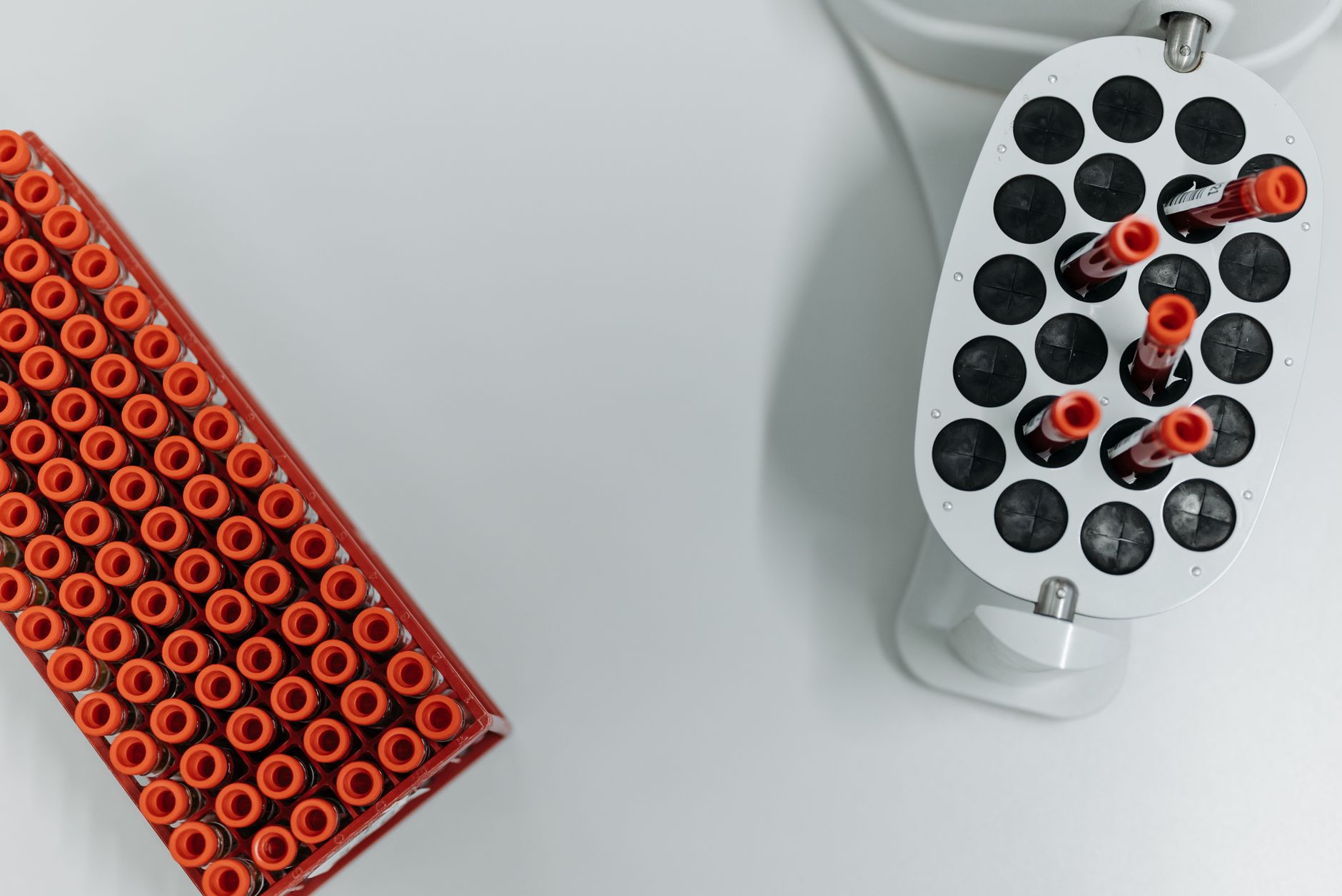
The medical center put a tracked pre-analytical workflow in place across collection, pickup, and reception. RFID-tagged racks held 60 tubes each and could be scanned into the system in seconds, giving staff a shared digital record instead of a patchwork of manual checks.
The published case study does not detail a formal phased rollout or training plan. What it does show is a light onsite footprint, with setup taking 15 minutes per location, and a workflow redesign aimed squarely at specimen custody, intake pace, and archive retrieval.
- RFID-tagged racks held 60 tubes each
- Collection, courier, and lab staff shared digital specimen tracking
- Manual manifest checks at pickup were removed from the handoff
- Setup took 15 minutes per location
What Changed on the Bench and at Reception
The headline gain was 30x faster sample prep. The source also reports 80% less time for sample pickup, equal to 3.75 hours saved per day, because couriers no longer had to manually check manifests at handoff.
Downstream, reception time fell by 50%, and retrieval from archives ran 83% faster, saving 3 hours per day for hematology and blood bank specimens. The same program cut weekly plastic-bag use by 3,500 and delivered $15,000 in annual cost savings.
What This Means for Lab Automation Buyers
This is a documented market example, not a Service Robot Co. deployment. Its lesson for medical laboratory operators is that lab automation earns its keep early in the chain, where custody, handoff discipline, and arrival visibility shape throughput before the analyzer ever sees the tube.
Service Robot Co. is a full-service, OEM-neutral commercial robot integrator for US businesses. For teams weighing robot deployment and integration, a robot pilot program, or robot leasing for business with monthly payment programs, that means one partner to select the right equipment, finance it, deploy it, train the staff, and service it through a nationwide US engineer network.
For labs that want one partner one number after go live, site assessment mapping, turnkey robot deployment, remote triage, on-site dispatch, and a robot maintenance service plan keep automation tied to daily operations instead of leaving the facility to coordinate vendors on its own. It is one vendor for the whole lifecycle.