a 49-bed community hospital in the Midwest without a pneumatic tube system for laboratory specimens
How a 49-Bed Hospital Reclaimed 716 Hours on Emergency Lab Runs
A documented Midwest hospital used a secure delivery robot for 11,508 ED-to-lab round trips in seven months, logging 716+ hours while staff stayed at bedside.
- 716+ hr
- robot runtime
- 11,508
- ED-lab trips
- 558+ mi
- distance traveled
- 49 bed
- hospital size
Based on a documented real-world deployment. Figures are from public reporting; the organization is not named.

Specimen runs without tubes
The hospital never had pneumatic tubes, and adding them later was treated as cost-prohibitive for the building. Nurses and emergency staff carried specimens to the lab by hand, which pulled them away from patients who needed continuous bedside attention.
Emergency department leaders worried most about leaving the floor during active cases. Every upstairs lab run added steps, elevator waits, and handoffs that did not require clinical judgment but still consumed shift time.
Elevator-ready secure delivery
The site deployed an autonomous delivery robot integrated with the elevator system so it could move specimens from collection points to the laboratory without a staff escort. Passcode-locked compartments aimed to keep chain-of-custody tight during hallway travel.
Staff trained on when to load the robot, how visitors should interact in corridors, and who responds when the unit needs assistance. The robot also handled visitor greeting duties in public areas, which helped normalize its presence but was secondary to the lab loop.
- Integrate elevator calls with hospital access rules
- Use passcode-secured payload compartments
- Start with emergency department to lab round trips
- Assign an internal owner for daily checks and socialization with staff

Seven months of measured trips
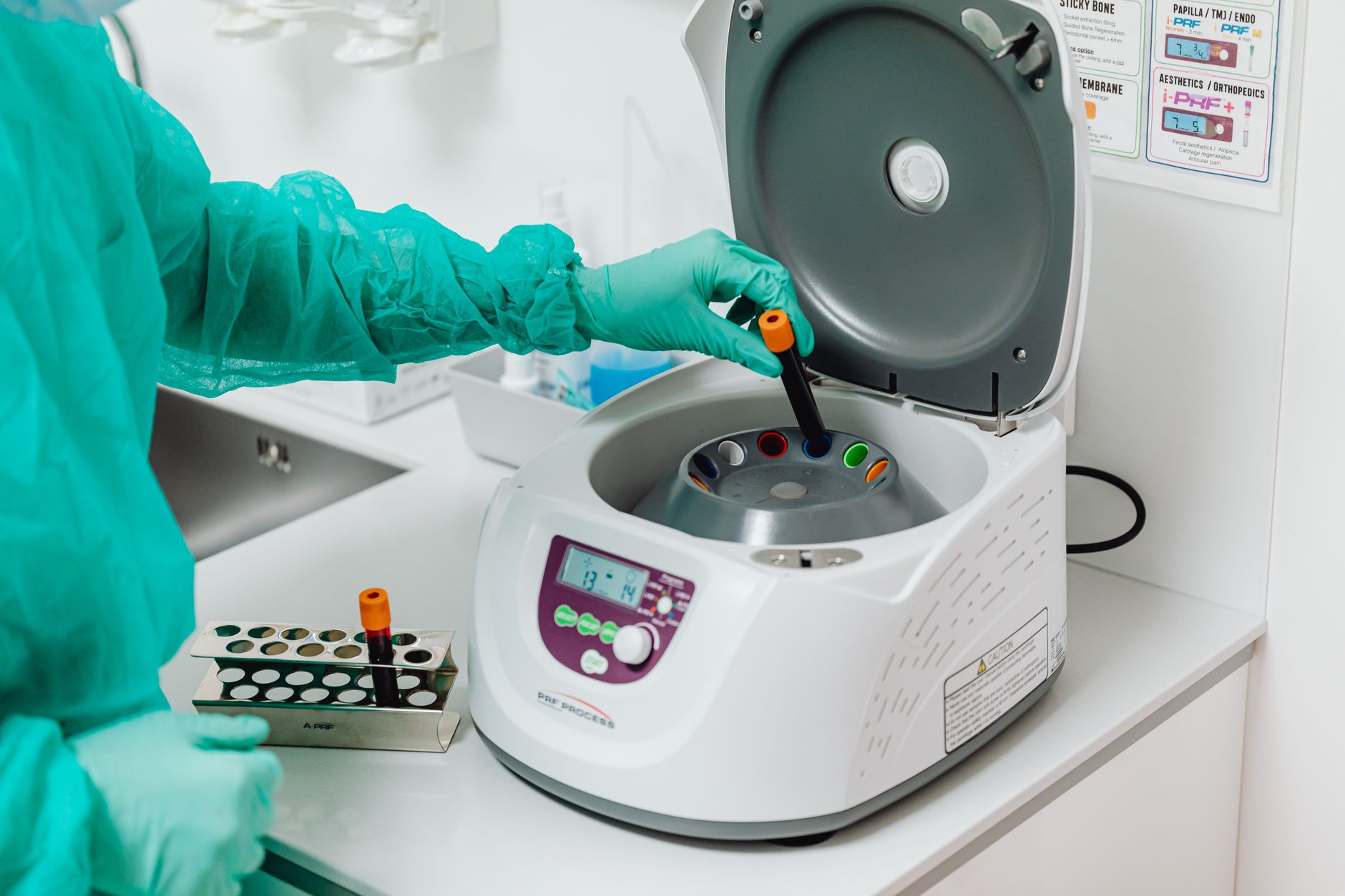
From May 15 through December 31, 2024, the hospital reported 11,508 round trips between the emergency department and the laboratory. The robot traveled a distance equal to more than 558 miles and accumulated more than 716 hours of runtime.
Leadership credited the deployment with freeing emergency department staff to stay at the bedside instead of transporting samples. The unit became a visible part of hospital communication, but the operational win was repetitive transport removed from nurses during a staffing-sensitive period.
Lessons for similar community hospitals
This analysis uses a published use case. Service Robot Co. did not install or service this robot. The takeaway for buyers is that internal hospital delivery robot programs can start where tubes were never built, as long as elevators, infection control, and secure handoffs are designed deliberately.
A vendor-neutral integrator can evaluate corridor width, badge doors, and pharmacy or lab peaks, then offer rental or lease monthly paths for a pilot loop. Remote triage plus on-site dispatch keeps a single department from owning every mechanical issue alone.