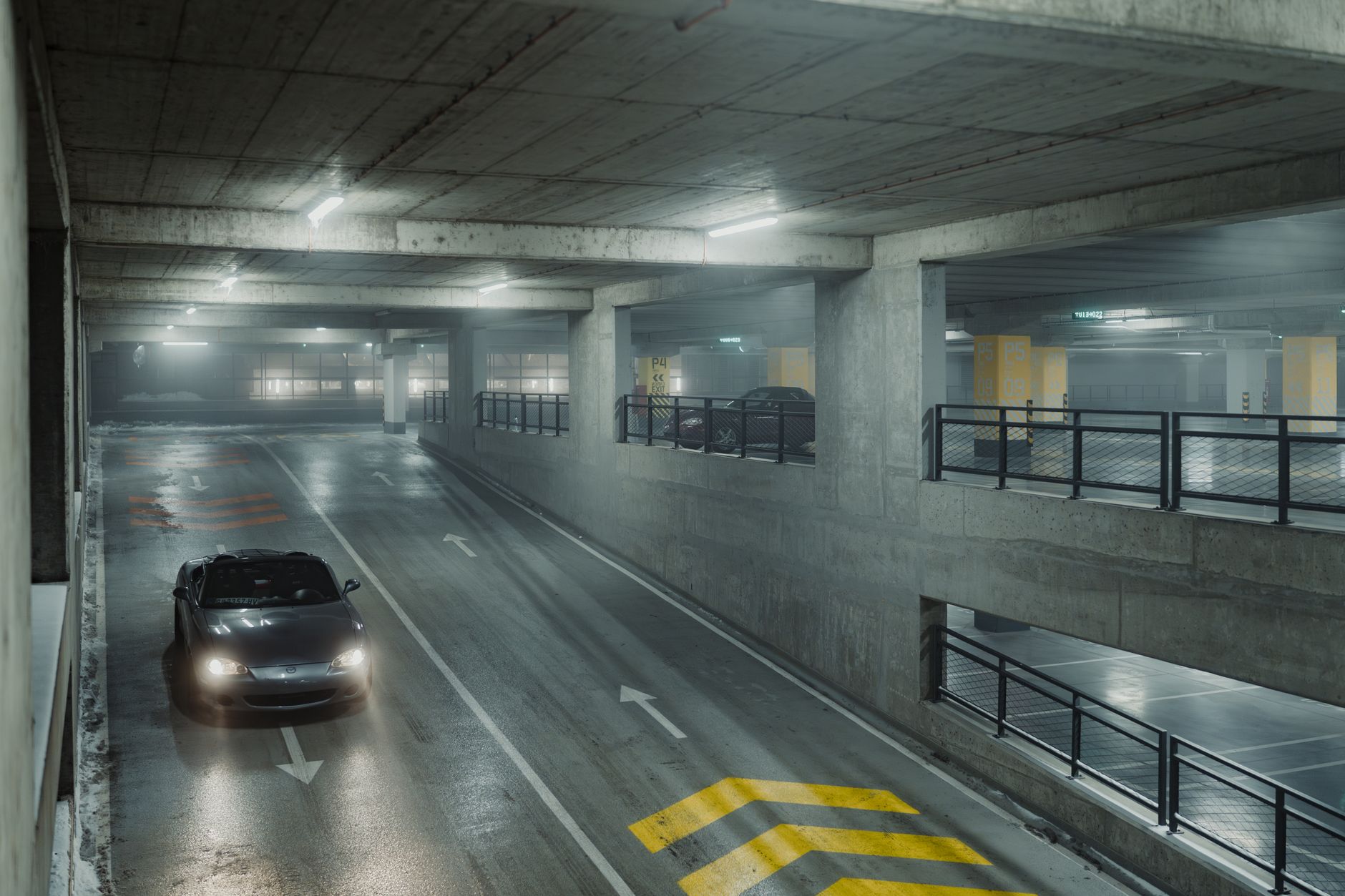
a large utility provider operating a 500,000-square-foot metro campus
How a 500,000-Sq.-Ft. Utility Campus Reallocated 2.5 FTE With Autonomous Floor Care
See how a metro utility campus stabilized nightly cleaning with five autonomous floor-care robots, reporting 35% higher efficiency and 2.5 FTE reallocated.
- 2.5 FTE
- Labor reallocated
- 35%
- Floor-care gain
- 500K sf
- Campus size
- 18 mo
- Reported ROI
Based on a documented real-world deployment. Figures are from public reporting; the organization is not named.
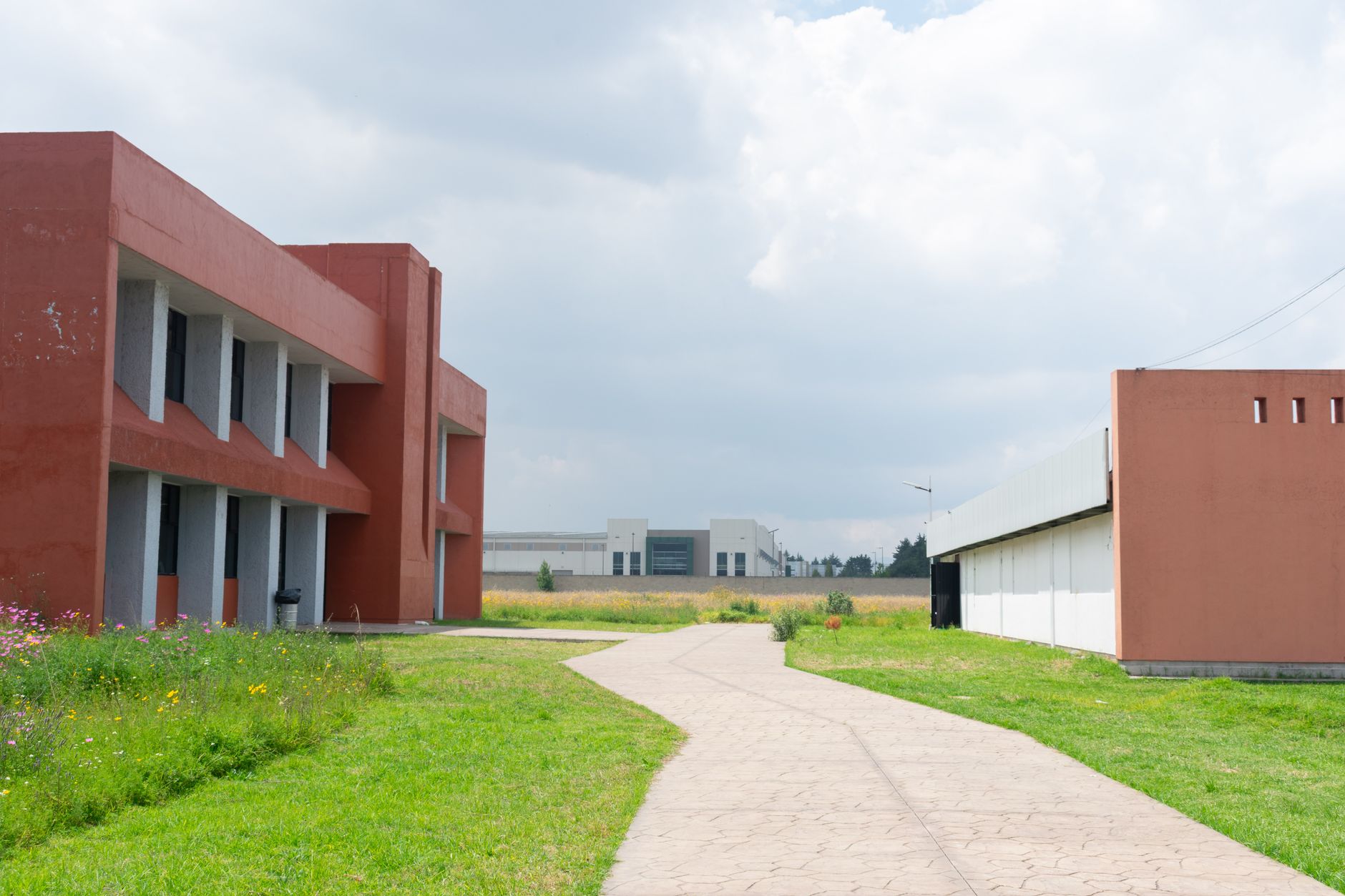
Nightly coverage gaps across a half-million-square-foot footprint
A large utility provider operating a 500,000-square-foot metro campus needed reliable nightly cleaning across high-traffic buildings when labor shortages and wage pressure made full staffing harder to sustain.
Coverage holes were becoming more common during heavy-use periods, and leadership wanted predictable results without adding overnight headcount every quarter.
The operator needed a plan that improved consistency, eased strain on custodial teams, and could show measurable safety and efficiency gains.
Five autonomous units live in ten days with heat-map reporting
A commercial cleaning partner introduced an autonomous floor care program that combined scrubbers, vacuums, and mopping units integrated into the existing nightly workflow.
Five robots were deployed within ten days to cover the full campus footprint, with automated heat-map reporting to verify where each unit had run.
Recycled-water technology on the fleet reduced standing water and cord hazards while supervisors tracked completion against planned routes.
- Map nightly routes before scaling autonomous coverage
- Use heat-map logs to confirm completed zones
- Train custodial leads on robot starts, stops, and exceptions
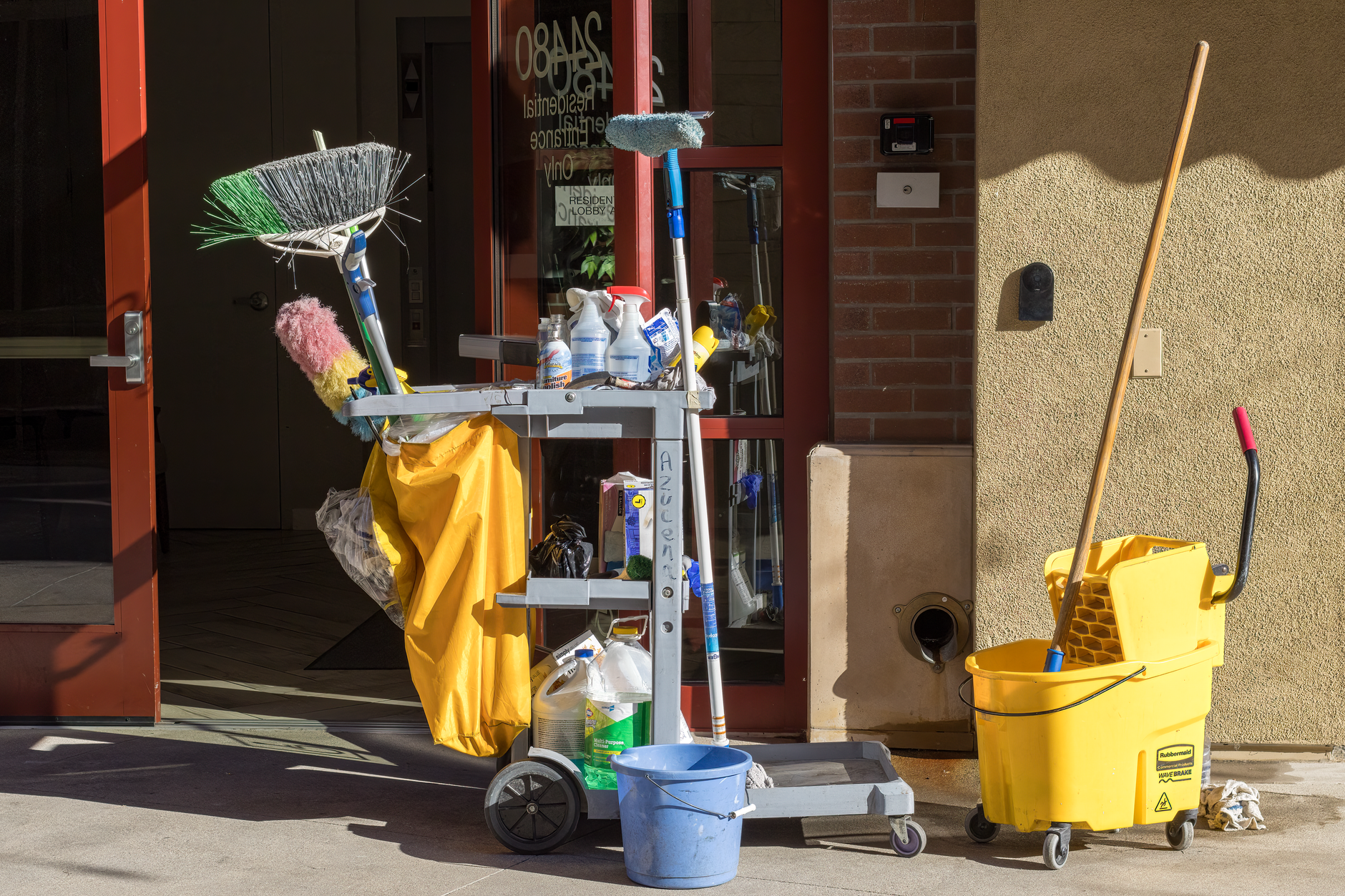
Documented efficiency, safety, and labor gains
The program reported 35 percent higher floor-care efficiency and allowed the equivalent of 2.5 full-time employees to be reallocated while generating about $12,000 in monthly labor savings.
Total program savings reached 11.5 percent, trip and fall incidents fell 10 percent, and water usage dropped 30 percent through recycled-water operation on the robot fleet.
Leadership cited an 18-month return on investment, with robots functioning as a predictable extension of the onsite team during nightly runs.
Lessons for U.S. utility and institutional campuses
This deployment is a published facilities case, not a Service Robot Co. customer story. It still shows how a mixed autonomous fleet can stabilize large footprints when hiring is tight.
Service Robot Co. helps U.S. operators compare scrubbers and vacuums, structure robot leasing for business with flexible terms, and back every unit with remote triage and a nationwide network of regional service engineers.
A free site assessment on one building wing lets you judge route time, water recovery, and staff handoffs before you standardize commercial cleaning robot rental across a campus.