
a European third-party logistics operator running a 60,000 square meter warehouse
How a 60,000 Sq M Warehouse Cut Floor Cleaning Labor About 65%
A documented 60,000 sq m logistics warehouse averaged 1,774 sq m of autonomous scrubbing daily and cut routine floor-cleaning labor about 60-70%.
- 60-70%
- Labor cut
- 1,774m²
- Daily clean
- 60,000m²
- Warehouse
- 63%
- Auto time
Based on a documented real-world deployment. Figures are from public reporting; the organization is not named.
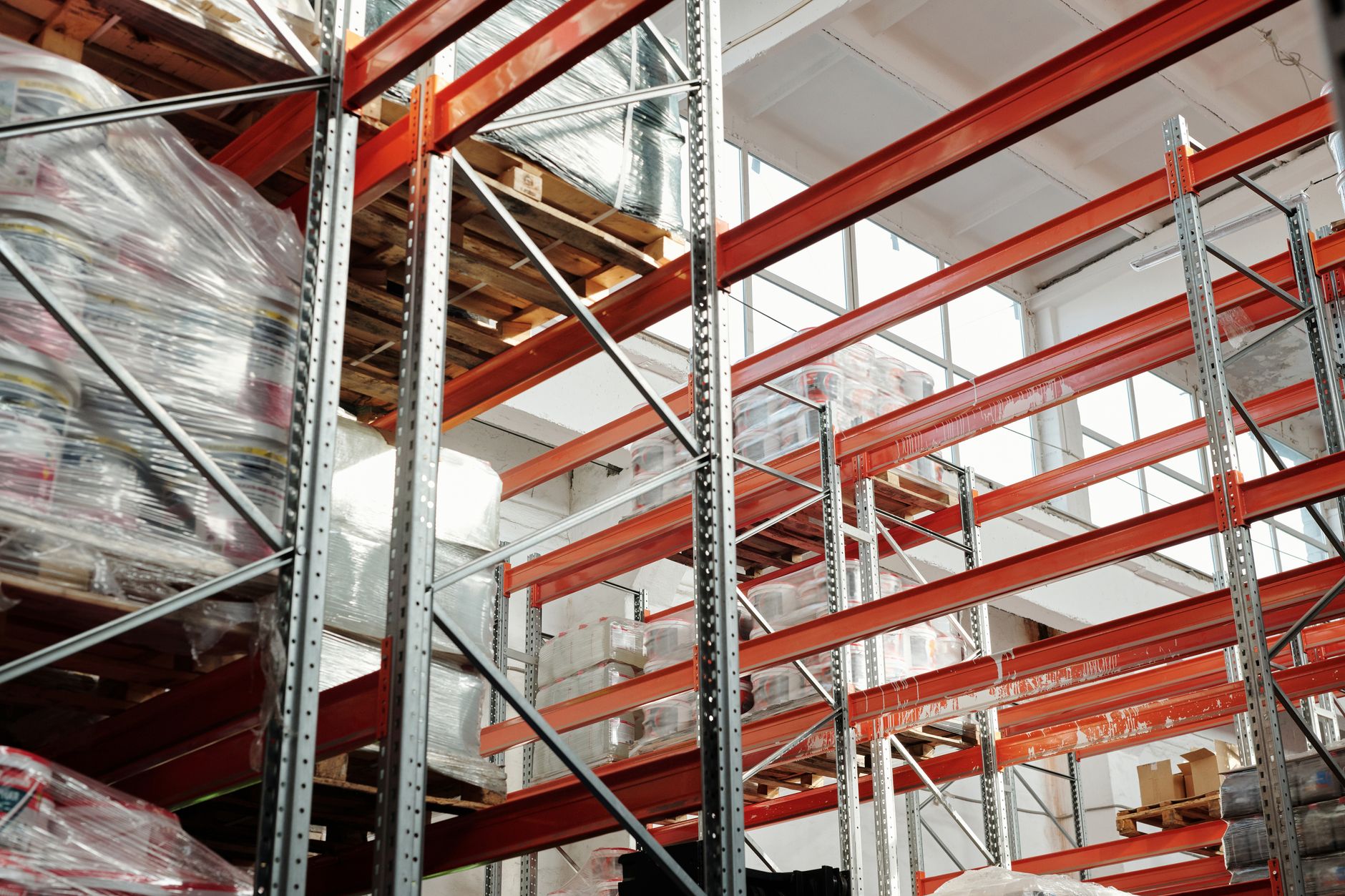
Daily scrubbing without a dedicated rider
A European third-party logistics operator running a 60,000 square meter warehouse needed floors that stayed consistently clean for customers and auditors without pulling warehouse staff onto ride-on scrubbers every day.
Manual floorcare was variable, labor heavy, and hard to schedule around inbound and outbound peaks. Leadership wanted proof that autonomy could hold quality while lowering the daily labor burden.
Autonomous scrubber embedded in site routines
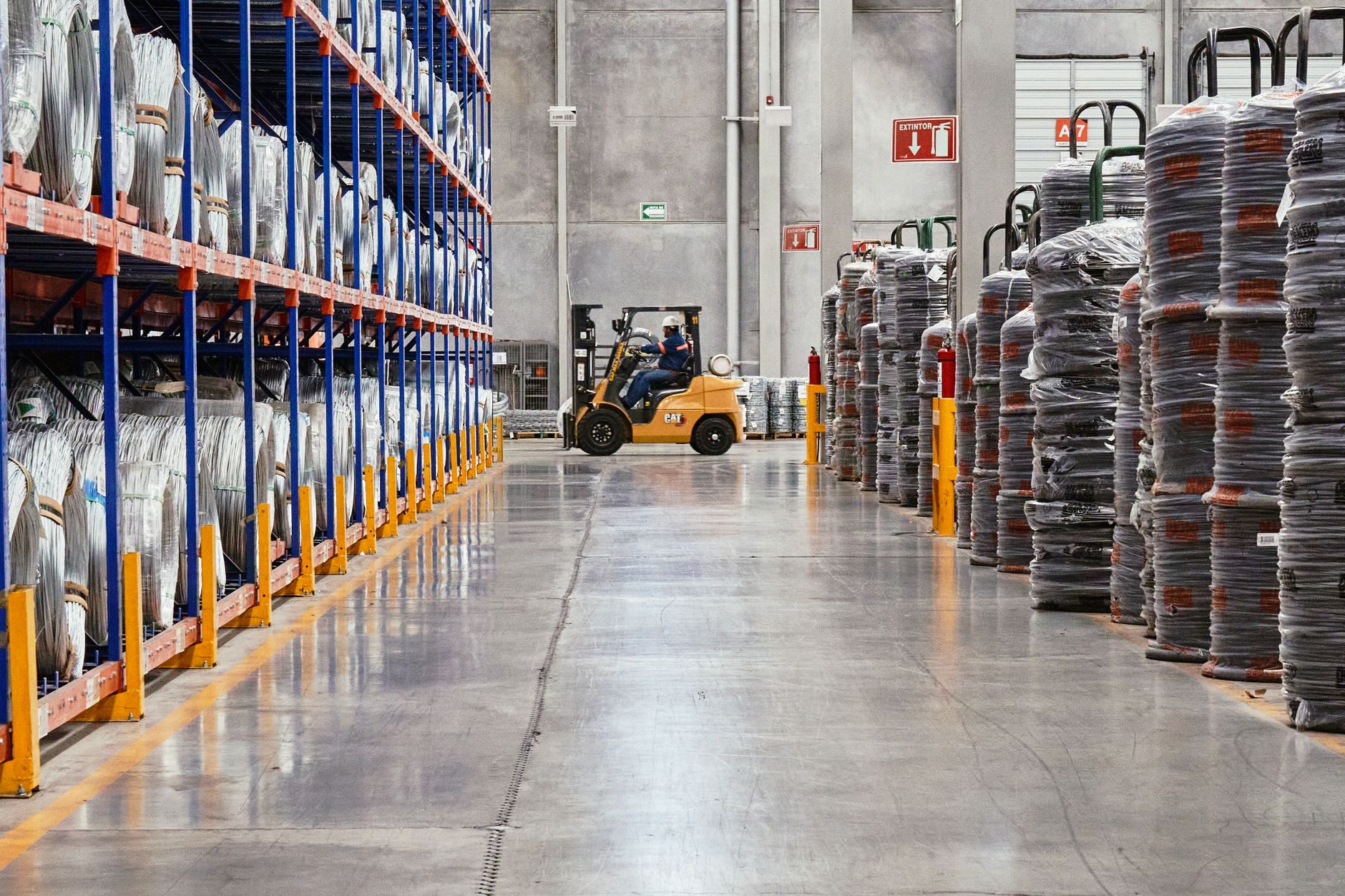
The site deployed an autonomous scrubber model and integrated it into existing cleaning routines starting in July 2025. The project team tracked usage data rather than relying on anecdotal walkthroughs.
Operators still handled prep and recovery, but the machine covered large zones on its own while production and picking continued without scrubber delays in the aisles.
- Baseline manual hours before autonomy
- Map high traffic aisles and dock lanes
- Run autonomous cycles on a weekly full building rhythm
- Review square meters cleaned and autonomous time share monthly
Published usage and labor estimates
Over the first 333 days reported, the scrubber cleaned an average of about 1,774 square meters per day, roughly 12,420 square meters per week, and more than 54,000 square meters per month in the 60,000 square meter building.
Nearly 63 percent of operating time ran autonomously during the trial window, and the supplier estimates roughly 60 to 70 percent less labor for routine floor cleaning versus the prior manual approach.
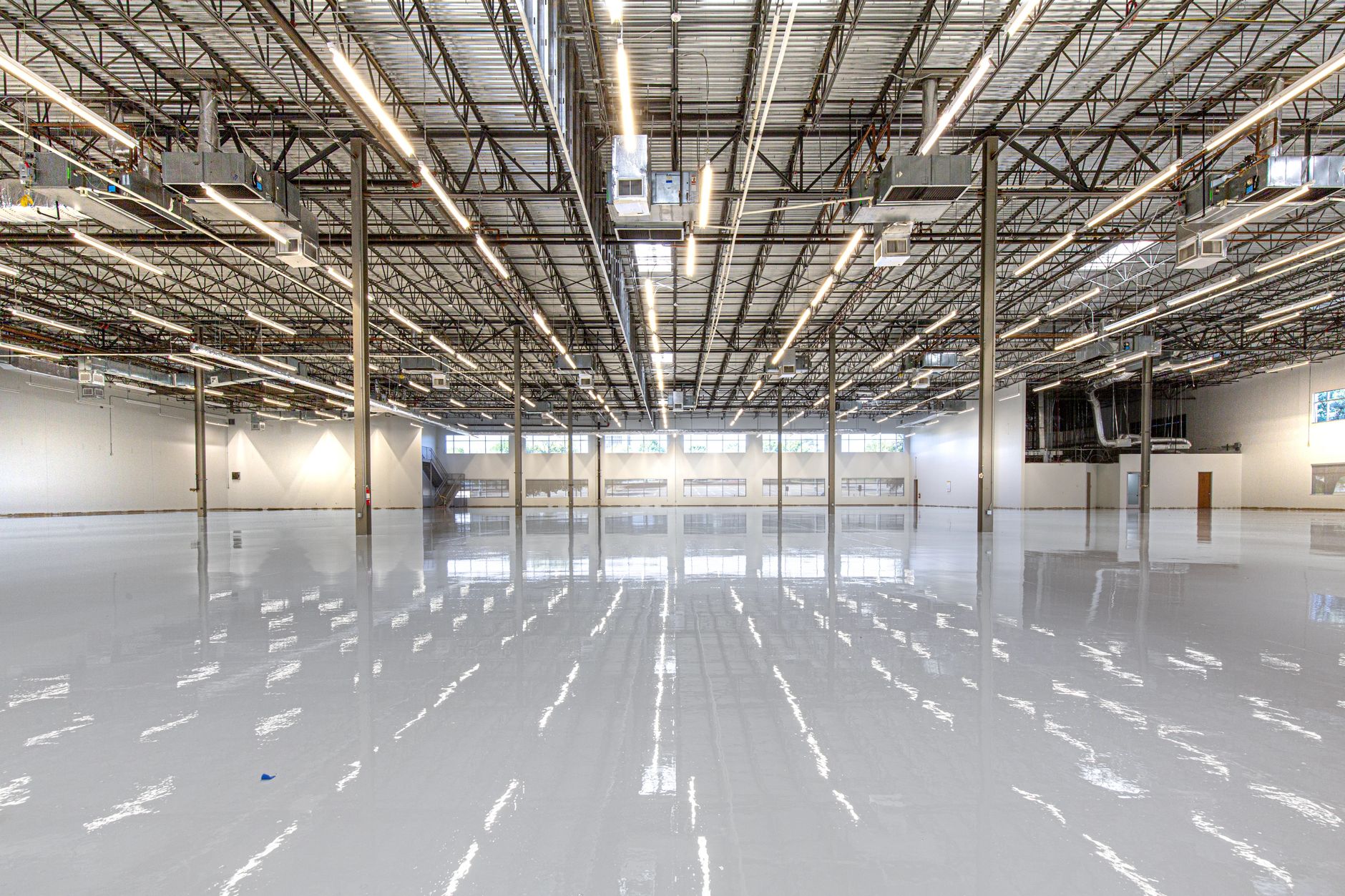
What US 3PL operators can take from it
This is a documented customer story from a scrubber manufacturer, not a Service Robot Co. deployment. It still shows how autonomy plus reporting can defend a floorcare budget in a large DC.
Service Robot Co. helps US sites pick an OEM-neutral scrubber, finance buy or lease, map the building, and keep uptime through RoboCare and a nationwide network of regional engineers.