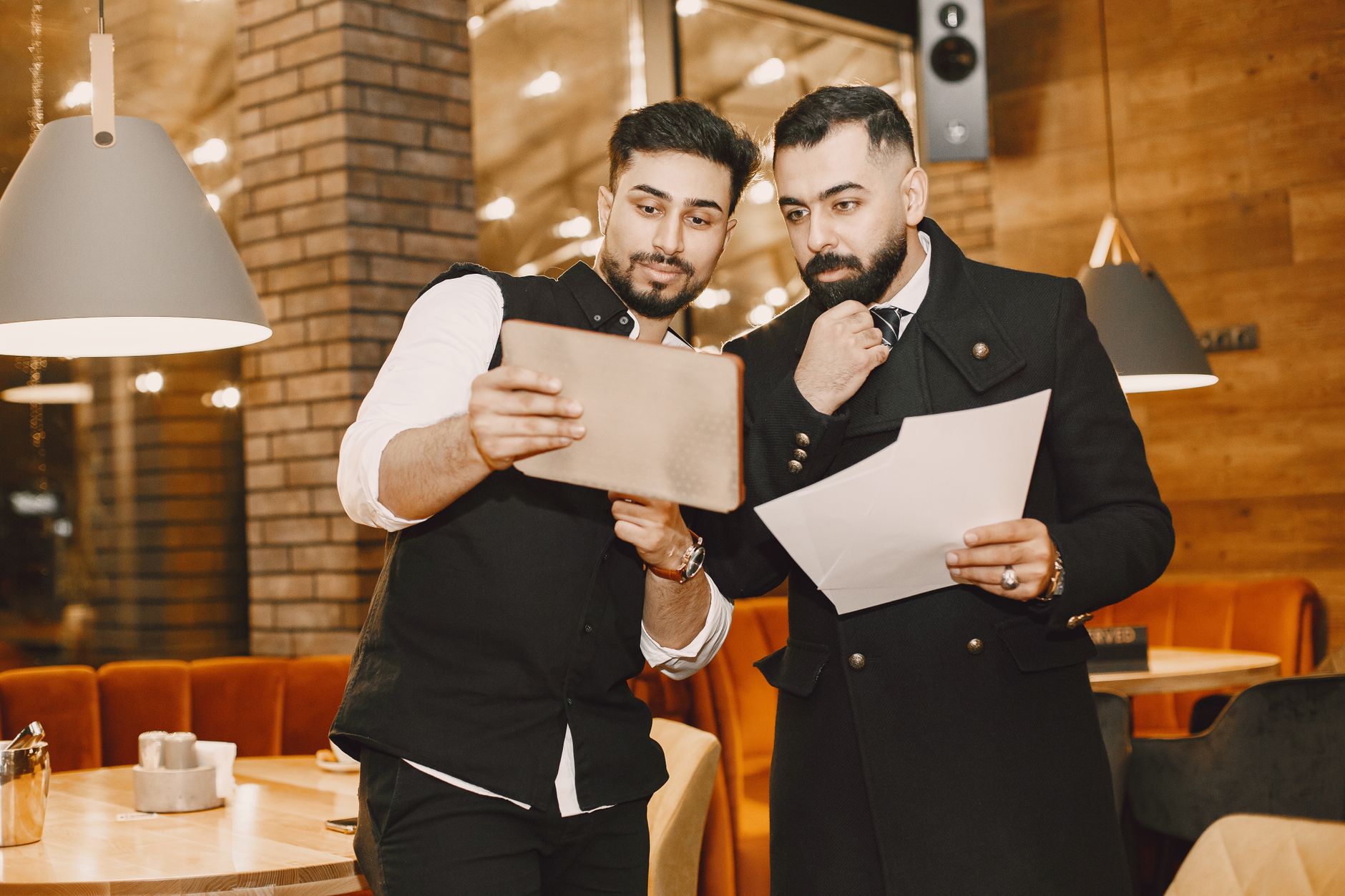
a national sushi restaurant chain operating more than 60 U.S. locations
Restaurant Case Study: $590K Reallocated Across 60+ Locations
A national sushi restaurant chain used front-of-house robots across 60+ U.S. locations and reallocated an estimated $590,000 in annual labor value.
- $590,000
- annual labor value reallocated
- 4,000+
- robot work-hours each month
- 21,000+
- monthly tasks completed
- 77%
- utilization increase in quarter
Based on a documented real-world deployment. Figures are from public reporting; the organization is not named.

A promising idea had already gone sideways
This operator did not come to front-of-house automation as a blank slate. It had already tried buying robots directly, only to find that hardware alone does not create a working operating model. Units arrived, but they did not fit the floor, the aisle geometry, or the cadence of service.
That matters in restaurants. A food running robot or busser robot has to move through tight paths, hand work back to staff cleanly, and stay reliable in the rush. Without mapping, training, and service support, a direct purchase can turn into parked equipment instead of labor relief.
The chain also needed a model that could hold up across more than 60 U.S. locations. At that scale, the question stops being whether a robot can run plates in a single dining room and becomes whether the fleet can support food running, drink delivery, and bussing in a repeatable way.
- Early direct-buy efforts left equipment underused because the deployment did not match the real floor layout or workflow.
- The restaurants had narrow hallways and aisles, so fit and navigation discipline mattered as much as the hardware itself.
- The operator needed an approach that could scale fleetwide, not a one-off pilot that looked good in a demo and stalled in live service.
The rollout shifted from hardware purchase to operating discipline
The chain reset the program around practical front-of-house work. Robots were put to work on drink delivery, food running, and bussing support, which kept repetitive transport moving while staff spent more time with guests and table turns.
The deployment was tailored site by site. Each location was mapped to its own floor plan so the robots could handle the tight service paths and hard-surface dining rooms that defined the brand's layout. That is the unglamorous part of restaurant delivery robot rental and food service robot rental that often decides whether usage climbs or stalls.
Training and local support also mattered. The documented case makes clear that the difference was not the machine by itself, but the full deployment process around it: fit for the environment, rollout discipline, and support that helped locations mature their workflows instead of treating go-live as the finish line.
- Select a robot that fits narrow aisles and real traffic patterns, not just a showroom floor.
- Map each restaurant individually so routing reflects the actual dining room and service paths.
- Train teams around food runs, drink delivery, and bussing support so the robot becomes part of service instead of a novelty.
- Support locations after launch so utilization rises as teams learn where the robot creates the most value.
The fleet produced measurable labor reallocation
In Q1 2026 averages, the fleet reached 116 active robots across 60+ locations nationwide. Those units logged 4,000+ combined robot work-hours per month, completed 21,000+ tasks per month, and traveled 2,400+ miles per month across the fleet.
Across the full quarter, the robots logged more than 12,600 combined work-hours, completed more than 63,000 tasks, and traveled more than 7,200 miles. On a per-location basis, that worked out to roughly 354 robot work-hours per month covering drink deliveries, food runs, and bussing support.
Using industry benchmarks for the staff time each task replaced, the chain reallocated an estimated $590,000 in annual labor value across all locations. The fleet also expanded from 110 active robots in January to 126 by March, while utilization increased 77% over the same period as workflows matured.
The lesson is concrete. A server assistant robot or food runner robot does not need to replace hospitality to matter. In this case, the fleet absorbed repetitive transport work at national scale and gave restaurant teams more room to focus on guest interaction and pace of service.
What this means for restaurant operators evaluating Service Robot Co.
This case is useful because it shows where restaurant automation usually breaks. Not at the headline. At selection, floor fit, rollout discipline, training, and service after launch. That is the gap Service Robot Co. is built to cover as a vendor neutral robot integrator for U.S. operators.
For a chain considering commercial robot rental, service robot rental, or restaurant delivery robot rental, the practical question is not lease rental or sale in the abstract. It is which robot fits the floor, what robot deployment and integration look like in live service, and who handles maintenance included, remote triage, and on-site dispatch when the fleet is spread across multiple markets.
Service Robot Co. operates as a full lifecycle partner. We select across manufacturers, finance through monthly payment programs when that structure fits, deploy and map the robots, train the staff, and service the units through a nationwide U.S. engineer network. For operators comparing robot leasing for business, robot as a service, and robot leasing vs buying, that single accountable model is usually the difference between isolated machines and a fleet that actually gets used.