a 600-plus-bed academic hospital with an oncology infusion pharmacy
Hospital Delivery Case Study: 5 to 10 Minutes Saved Per Patient
A documented hospital delivery robot case shows how a 600-plus-bed academic hospital saved 5 to 10 minutes per patient in oncology infusion.
- 5 to 10 min
- saved per patient
- 75 to 80
- delivery runs per day
- 30k
- deliveries in first 18 months
- 6 days/wk
- operating cadence
Based on a documented real-world deployment. Figures are from public reporting; the organization is not named.
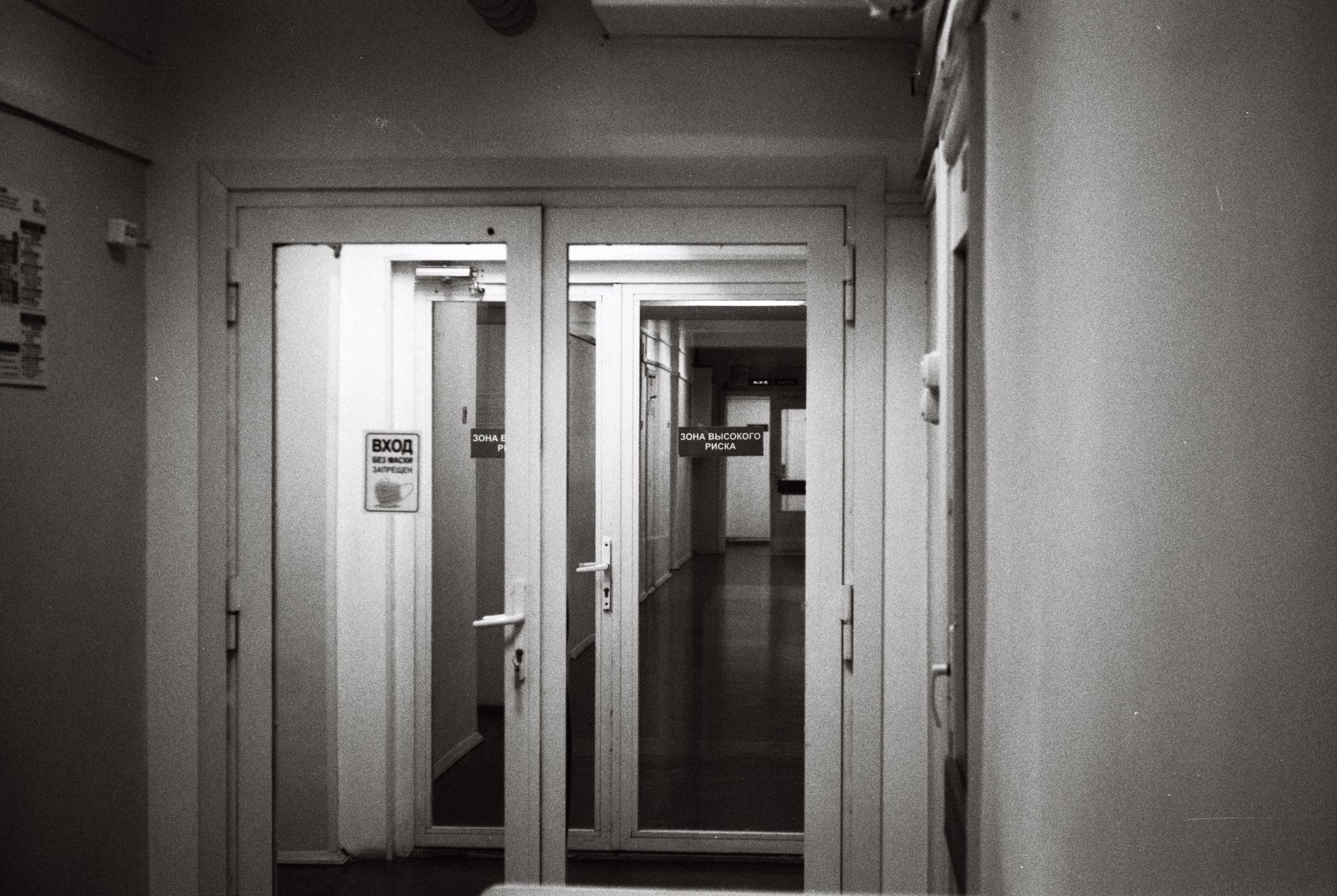
An everyday delay inside a time-sensitive care path
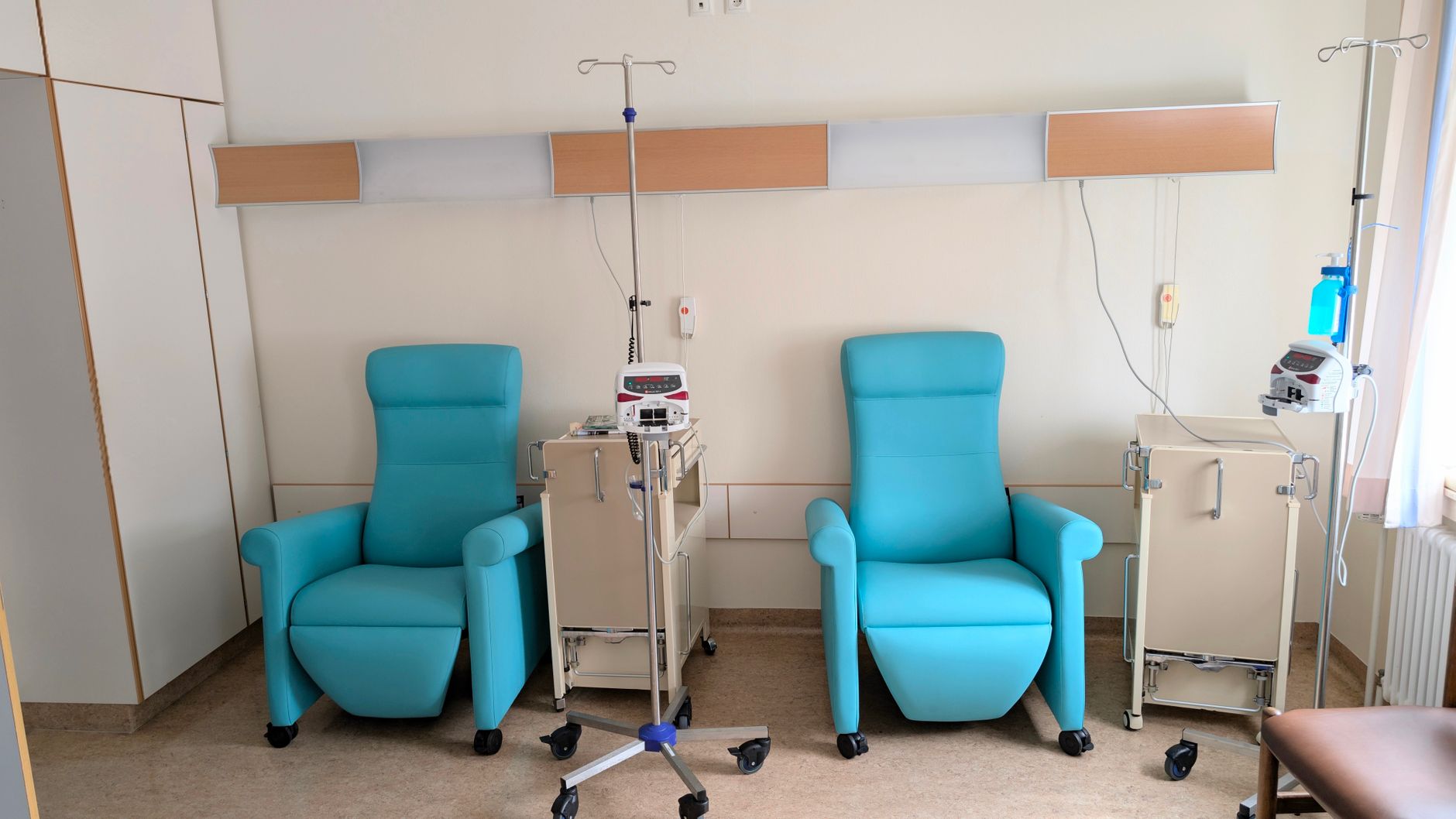
At a 600-plus-bed academic hospital with an oncology infusion pharmacy, compounded medications had to move quickly from pharmacy to infusion. The published case says patients were waiting up to 15 minutes per prescription, and those delays stacked up across the day.
That kind of lag is easy to dismiss as routine internal transport. In practice, it sits directly inside treatment flow. When infusion medications arrive late, chairs stay occupied longer, nurses spend time chasing status, and the whole unit absorbs friction that does not belong in patient care.
The source also notes that an earlier delivery robot had been unreliable and spent more than six months out of service. So the problem was not simply speed. It was confidence in the handoff itself.
- Patients waited up to 15 minutes per prescription
- Delays accumulated throughout the day
- A previous robot had been out of service for more than six months
A focused robot route inside oncology operations

The documented deployment was narrow and specific. In March 2018, the hospital put a delivery robot on the run between the oncology pharmacy and the medications room, where it handled repeated deliveries six days a week.
That scope matters. This was not framed as general hospital transport. It was a medication transport robot assigned to one recurring bottleneck inside oncology infusion, where small delays carry outsized operational weight.
The published account does not describe a broad multi-phase rollout. It describes a tightly defined workflow, consistent operating cadence, and a robot that kept bin temperatures within 1.3 C of ambient during delivery. In a hospital delivery robot rental or deployment program, that is often the right starting shape: one route, one measurable pain point, and clear ownership of the handoff.
- Start with the repeated pharmacy-to-infusion run
- Operate on a fixed cadence six days a week
- Keep medication conditions within 1.3 C of ambient during transport
Measured gains tied to patient throughput
The headline outcome was 5 to 10 minutes saved per patient. That is the number that makes this case commercially meaningful, because it ties robot movement to treatment flow rather than to a vague labor story.
The same source reports 75 to 80 delivery runs per day and 30,000 deliveries in the first 18 months. Those figures suggest a tool used constantly, not occasionally, in a live oncology environment.
Just as important, the saved time did not come from asking clinical staff to move faster. It came from removing a recurring logistics delay from the path between compounded medication and infusion chair.
What this means for Service Robot Co. buyers
This is a documented real-world example, not a Service Robot Co. deployment. Its value is in the operating pattern it reveals. A hospital delivery robot earns attention when it protects a treatment workflow that already has clinical urgency and expensive capacity attached to it.
Service Robot Co. is a full-service, OEM-neutral commercial robot integrator for US businesses. We help hospitals evaluate the right hospital delivery robot rental, medication transport robot, or lease rental or sale path across manufacturers, then finance, deploy, integrate, train, and service each unit through a nationwide US engineer network.
For a buyer comparing robot leasing for business, robot as a service, or a pilot before a broader rollout, the practical appeal is simple. One vendor handles selection, site assessment mapping, go live support, remote triage, and on-site dispatch. One partner, one number, for the full lifecycle.