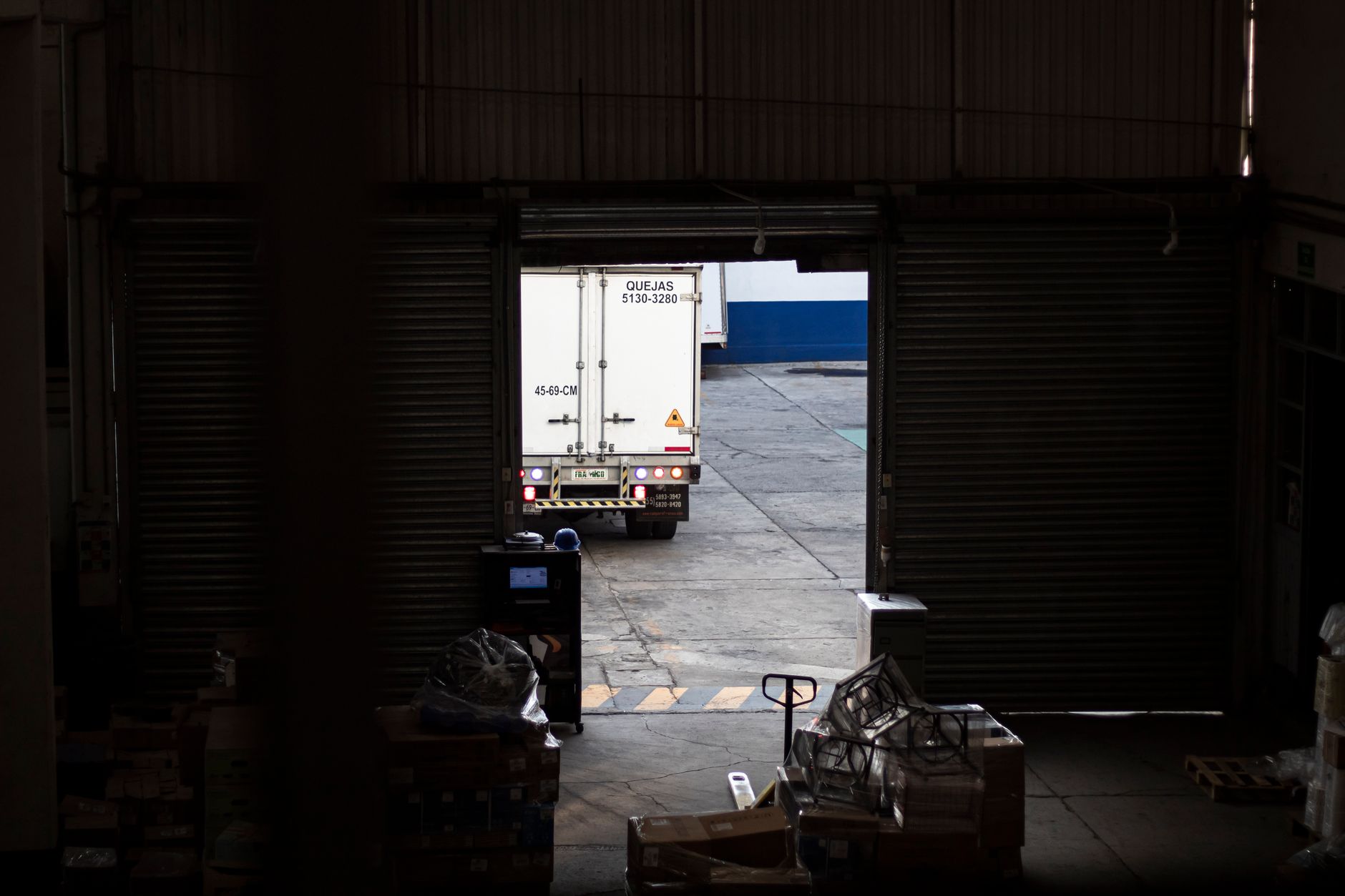
a European third-party logistics operator running a 60,000-square-meter distribution center
How a 645,000-Sq.-Ft. Logistics Warehouse Cut Routine Cleaning Labor 60-70% With an AMR Scrubber
Learn how a European third-party logistics warehouse cut routine floor-scrubbing labor roughly 60-70% after deploying an autonomous scrubber across 60,000 square meters.
- 60-70%
- Routine labor cut
- 63%
- Autonomous runtime
- 54K m2
- Monthly coverage
- 333 days
- Tracked performance
Based on a documented real-world deployment. Figures are from public reporting; the organization is not named.
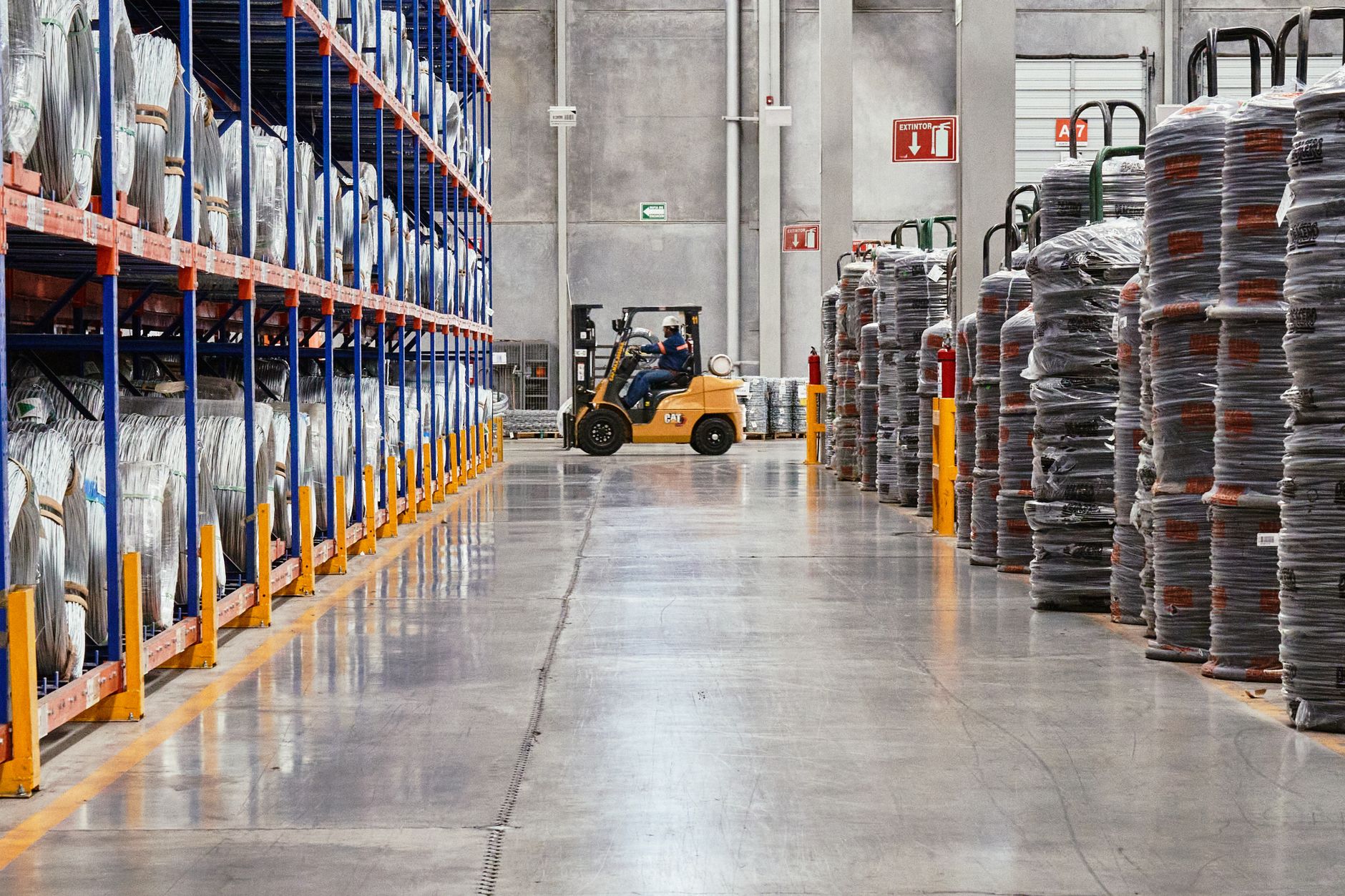
Labor tied to a ride-on scrubber on a busy DC floor
A European third-party logistics operator running a 60,000-square-meter distribution center needed predictable overnight and daytime floor care without keeping a dedicated employee on a conventional ride-on scrubber for several hours each day.
Cleaning quality was already acceptable. The constraint was labor: maintaining that standard across wide aisles, junctions, and live forklift traffic consumed hours that could not easily flex when shifts were short.
Leadership wanted proof that autonomous cleaning could hold the same finish while freeing staff for exception work, not another pilot that stalled at the loading dock.
- Large open warehouse footprint with constant vehicle movement
- Several daily hours previously tied to manual scrubber operation
- Need to prove ROI before scaling across additional campuses
Trial routes first, then autonomous nights on programmed paths
The operator ran a structured trial and return-on-investment review that compared its existing ride-on scrubber program with an autonomous large-format scrubber selected for wide-aisle coverage and optional manual takeover when needed.
An internal cleaning team programmed and stress-tested routes before capital approval so paths, schedules, and handoffs were ready when the machine went live on 1 July 2025.
Software updates added brief stops at congested crossings, audible warnings near junctions, and navigation tuned for shared warehouse lanes, which helped supervisors trust autonomous runs beside active traffic.
- Map high-traffic crossings and program cautious stop points
- Train custodial leads on route edits and daily start checks
- Run autonomous cycles alongside conventional operations during rollout
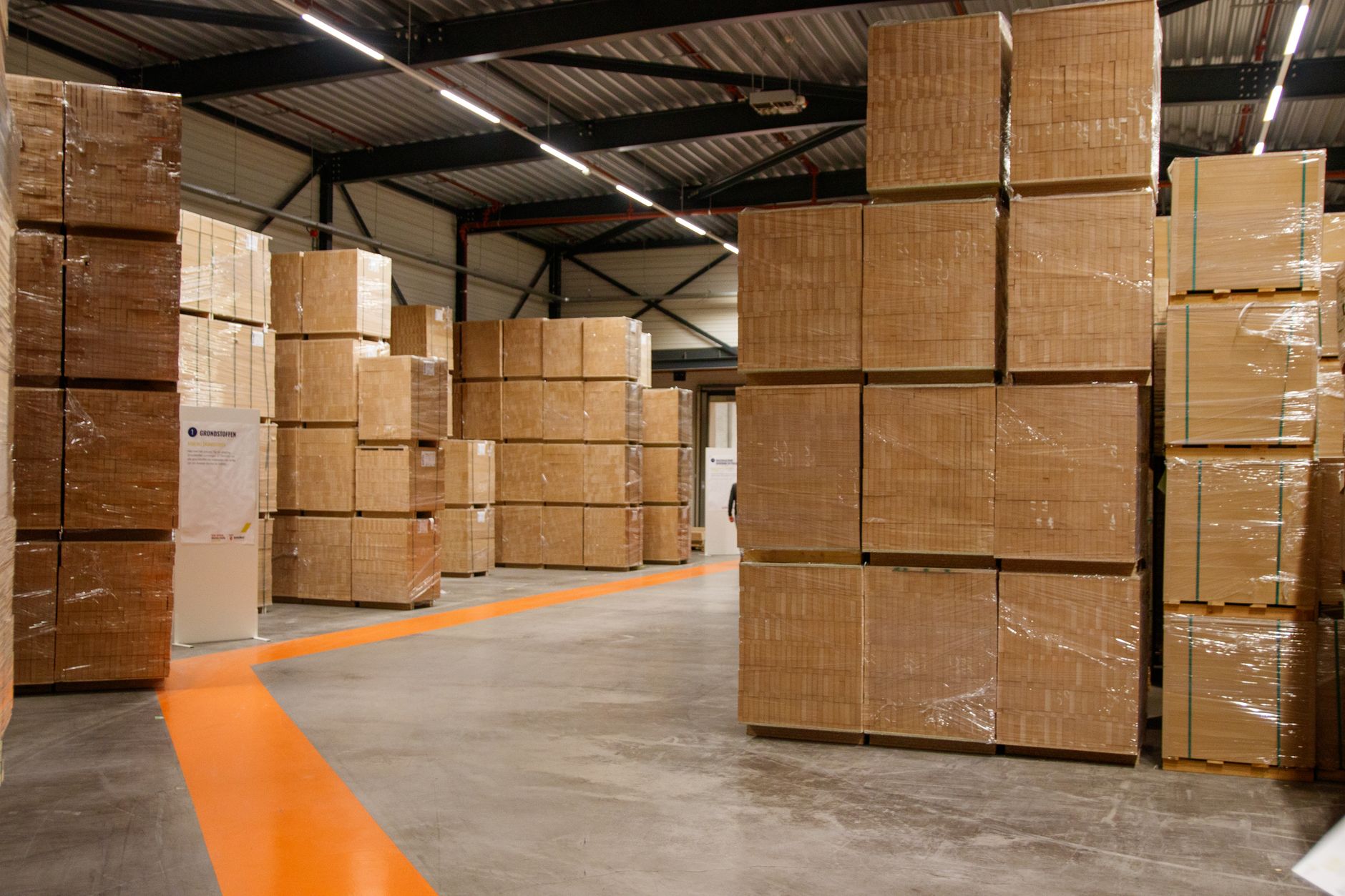
Measured coverage with a 60-70% labor reduction on routine scrubbing
Across its first 333 days in service, the autonomous scrubber delivered consistent performance over the full 60,000-square-meter building. The project team reported steadier results, less employee time on repetitive passes, and no disruption to daily warehouse activity.
Usage data averaged 1,774 square meters cleaned per day, about 12,420 square meters per week, and more than 54,000 square meters per month. Autonomous operation averaged 5.57 hours per week and more than 24 hours per month, with autonomous mode accounting for almost 63% of total machine runtime.
Equipment partners estimated the deployment reduced labor required for routine floor cleaning by approximately 60 to 70%, allowing the site to maintain standards without a dedicated operator riding the scrubber for the full shift.
What U.S. 3PL and DC teams can borrow from the pattern
This deployment is a documented European example, not a Service Robot Co. customer story. It still shows what disciplined route programming and a vendor-neutral integrator mindset look like when aisles are long and hiring is tight.
Service Robot Co. helps U.S. businesses compare autonomous scrubber options, structure robot leasing for business with month to month flexibility, and back every unit with remote triage and a nationwide network of regional service engineers.
A free site assessment and pilot on one warehouse zone lets you judge clearance, water recovery, and completion times before you standardize autonomous floor scrubber rental across a network.