a 650-bed academic medical center in Pennsylvania
Hospital IV Compounding Case Study: Nearly $700K in Six Months
An anonymized hospital pharmacy case study: a 650-bed academic medical center in Pennsylvania saved nearly $700,000 in six months by insourcing non-chemo IV prep.
- ~$700K
- saved in 6 months
- ~25,000
- bags and syringes produced
- ~30%
- of non-chemo IV preps automated
- ~1 month
- to full capacity
Based on a documented real-world deployment. Figures are from public reporting; the organization is not named.
Why Outsourced Sterile Prep Stopped Working
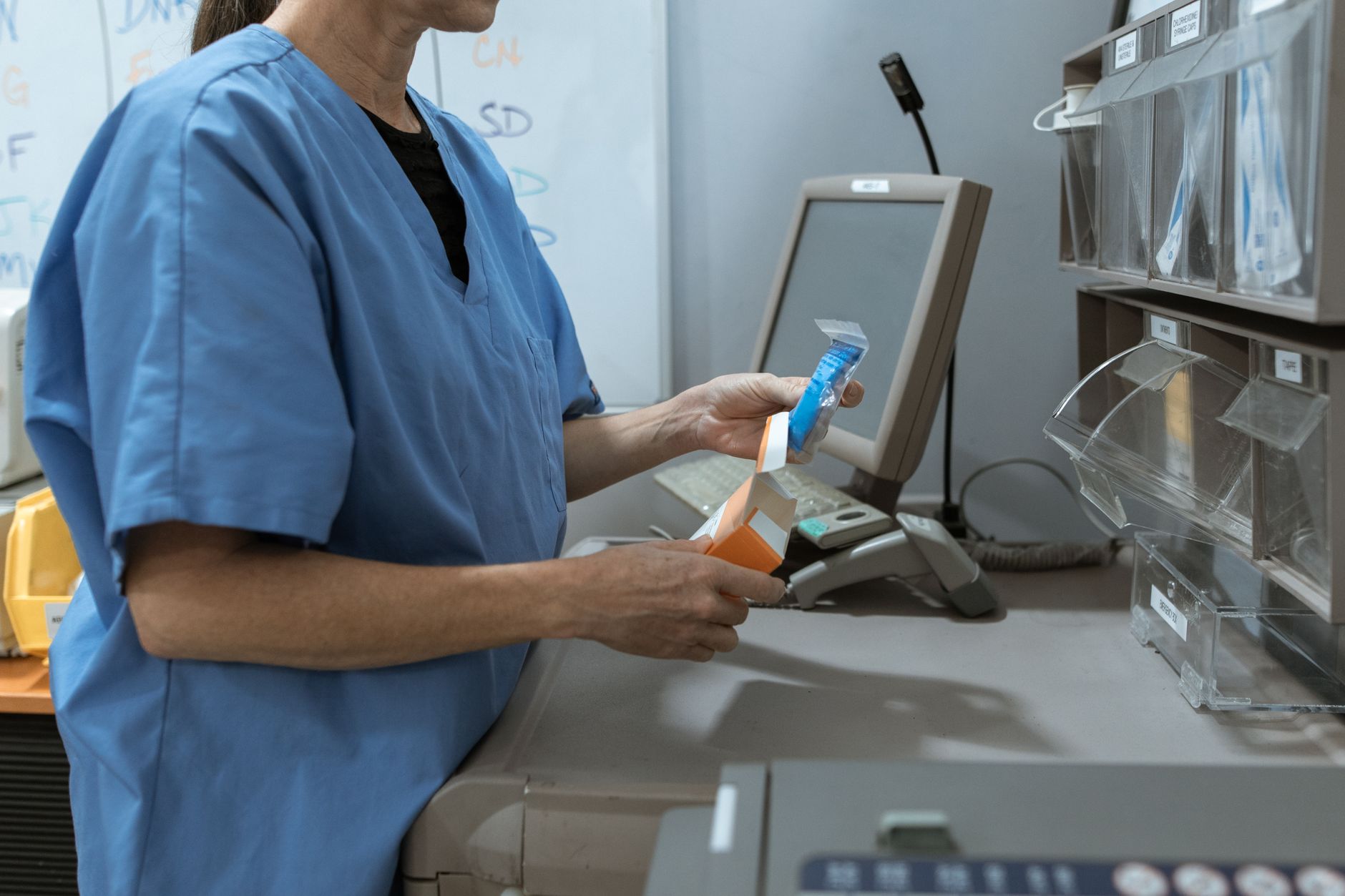
At a 650-bed academic medical center in Pennsylvania, the pharmacy had been supplementing in-house sterile compounding with pre-mixed compounded sterile products from 503B suppliers. When the primary supplier went out of business and the replacement supplier failed as well, shortages and waste began pressing directly on day-to-day operations.
The strain was practical, not abstract. In-house capabilities were limited, medication costs were high, and the department no longer had dependable control over supply at the exact point where consistency matters most.
- Unreliable 503B suppliers disrupted supply
- Limited in-house compounding capacity narrowed options
- High medication costs made the model harder to sustain
- Waste and shortages threatened routine pharmacy operations
How The Pharmacy Brought Critical IV Prep Back Inside
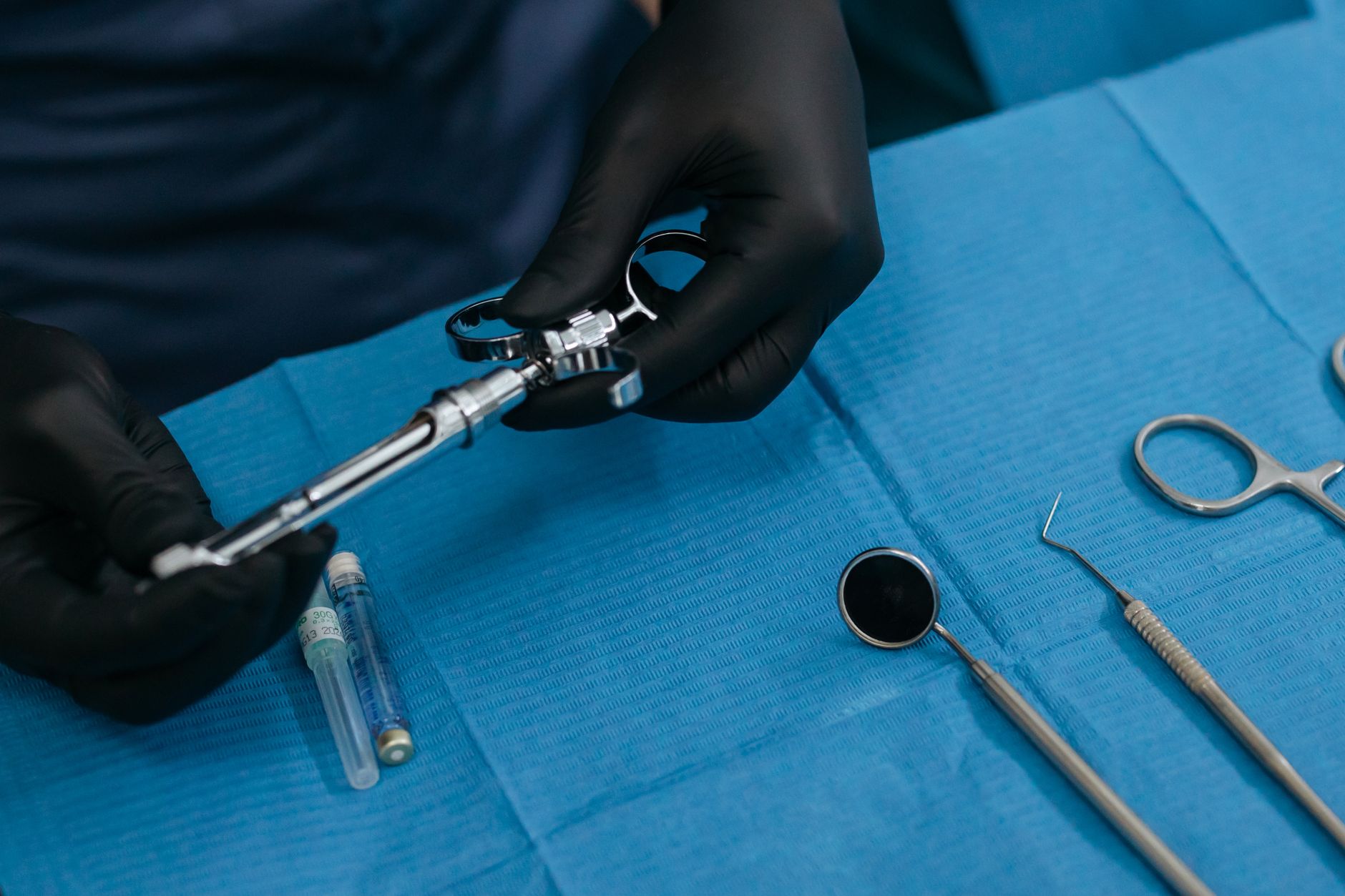
After a methodical review of technology options, pharmacy leaders built an insourcing program around a non-hazardous IV compounding robot. The goal was to regain control of critical compounded sterile product production instead of leaving it exposed to unstable outside supply.
The rollout included more than the robot itself. The pharmacy added sterility testing, stability testing, and operating practices for production, quarantine, and recordkeeping. Each prep was measured with gravimetric and volumetric verification, adding automated checking to work that is difficult to quantify when done manually.
- Review technology and choose a robotic insourcing path
- Bring non-chemo IV preparation back under local control
- Add sterility testing, stability testing, and quarantine discipline
- Use gravimetric and volumetric verification on each prep
What Changed In The First Six Months
Within about a month, the insourcing program was producing compounded sterile products at full capacity. Over the first six months after the switch from 503B suppliers, the pharmacy produced approximately 25,000 bags and syringes and saved nearly $700,000.
The gains were not limited to cost. The documented program automated approximately 30% of all non-chemo IV preps, reduced medication waste through enhanced beyond-use dating, improved operational efficiency, and gave clinical teams a more reliable supply of compounded products when needed.
- About one month to reach full capacity
- Approximately 25,000 bags and syringes produced in six months
- Nearly $700,000 saved in the first six months
- Approximately 30% of all non-chemo IV preps automated
What This Means For Healthcare Pharmacy Buyers
This is a documented real-world deployment, not a claimed Service Robot Co. project. Its value as a market example is clear: IV robotics earns its place when the robot sits inside a disciplined operating model that includes testing, verification, recordkeeping, and staff ownership instead of acting as a stand-alone equipment purchase.
Service Robot Co. is a full-service, OEM-neutral commercial robot integrator for US businesses. For healthcare teams weighing commercial robot leasing, robot leasing for business, or purchase or lease, we help select the right robot across manufacturers, then finance, deploy, integrate, train, and service every unit through one lifecycle partner and a nationwide US engineer network.
That matters in pharmacy automation because procurement is only the first step. Robot deployment and integration, training, RoboCare™ service support, remote triage, and on-site dispatch all shape whether a sterile compounding program holds up after go-live.
- Use documented outcomes to judge fit, not marketing claims
- Treat validation and workflow discipline as part of the purchase
- Keep one accountable partner across financing, deployment, and service
- Match the robot to the pharmacy operation, not the other way around