a 75,000-square-foot apparel and e-commerce distribution center serving more than 260 retail stores in North America
How a 75,000-Sq.-Ft. Apparel DC Raised Pick Rates 111% With Warehouse AMRs
A greenfield apparel DC paired five pickers with 22 warehouse AMRs and lifted units per hour 111%, cutting training to under an hour and shipping to stores five times a week.
- 111%
- UPH gain
- 180 UPH
- five pickers
- 22
- AMRs live
- 5x/wk
- store fills
Based on a documented real-world deployment. Figures are from public reporting; the organization is not named.
Store growth outran manual picking
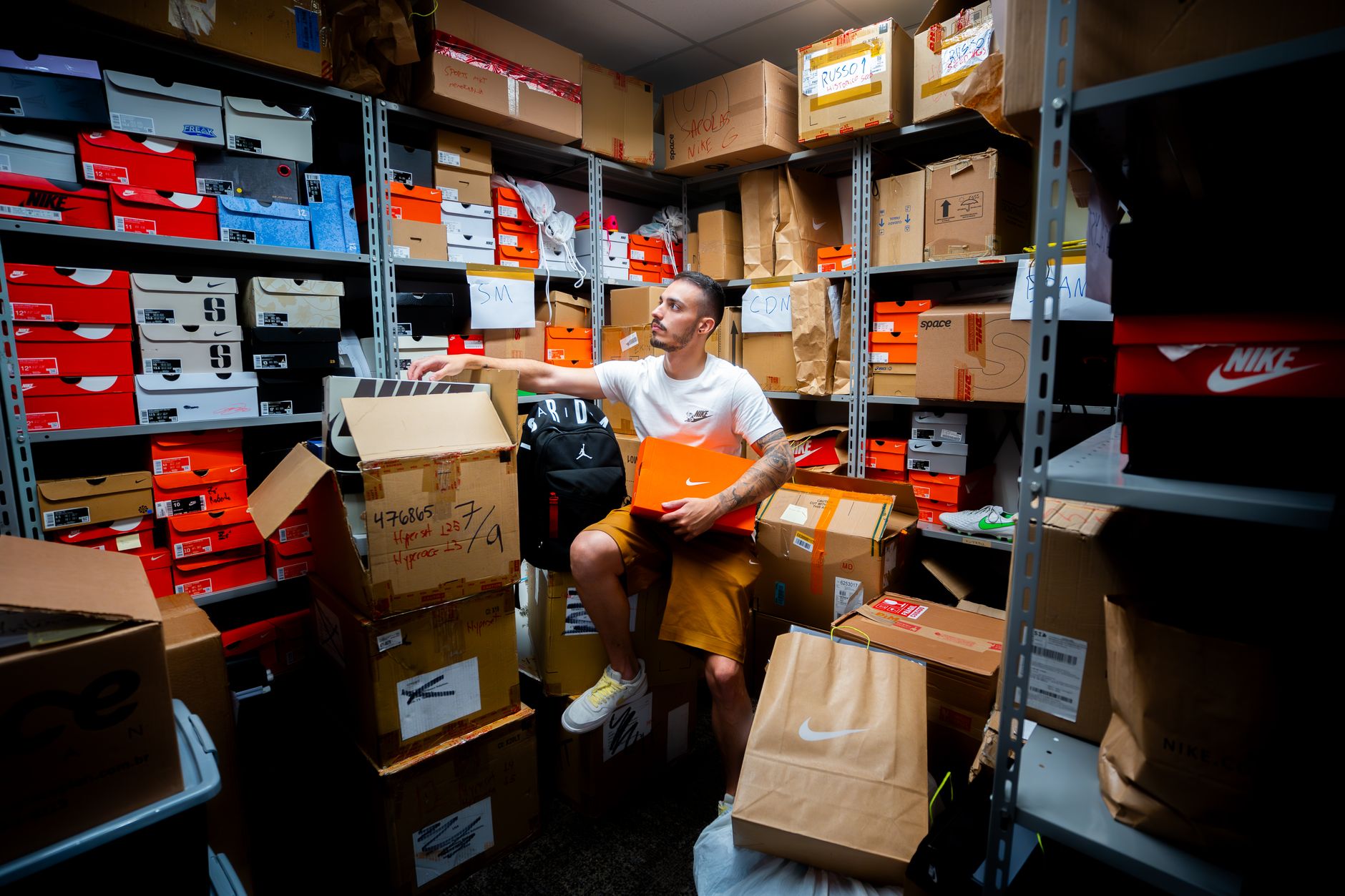
The retailer ships footwear and apparel to more than 260 stores from a new 75,000-square-foot hub. Legacy picking relied on handwritten workflows and large headcounts that struggled to keep pace with e-commerce and store replenishment at the same time.
Training a new picker took about a week, and the building often spent an entire week fulfilling orders that now need to land in stores far more often. Leadership wanted automation that could ride along with a warehouse management upgrade instead of bolting robots onto a layout that was never designed for them.
- 85 units per hour with 20 to 25 pickers before automation
- Weekly fulfillment cycles that slowed restocks to stores
- Long onboarding for seasonal and temporary associates
Greenfield layout built around AMRs
The team opened a purpose-built distribution center and mapped pick paths, charging, and WMS integration before go-live. A fleet of 22 warehouse AMRs was deployed to meet associates in the aisle, carry totes, and cut walking so pickers stayed on value-added work.
Integration partners aligned the execution software with the new ERP-backed warehouse system so robots and pickers shared one task queue from day one. Supervisors trained the core team first, then rolled out short group sessions for new hires.
- Designed slotting and travel paths for robot-assisted picking from the start
- Deployed 22 AMRs alongside five pickers at steady state
- Shortened new-hire training to 30 to 45 minute group sessions
- Expanded store replenishment from one weekly wave to five weekly waves
Throughput, training, and cadence moved together
With five pickers supported by 22 AMRs, the site reached 180 units per hour versus 85 units per hour when 20 to 25 associates picked manually. That is a published 111 percent increase in units picked per hour, with a 98 percent improvement in order fulfillment rate tied to the same program.
Picker training time fell about 98 percent, from roughly a week per person to 30 to 45 minutes for a group. Associates reported less fatigue because robots handled travel and heavy cart work, and the operation now fulfills store orders five times per week instead of once.
What apparel DC leaders can borrow from this rollout
This story comes from a documented deployment in the field, not a Service Robot Co. customer project. It still shows what happens when AMR rental or lease programs are planned with layout, WMS data, and training in the same timeline.
Service Robot Co. is an OEM-neutral integrator for U.S. businesses. We compare warehouse AMR options, structure financing or month-to-month pilots, and keep fleets running through a nationwide engineer network so you have one partner from site assessment through go-live and service.