
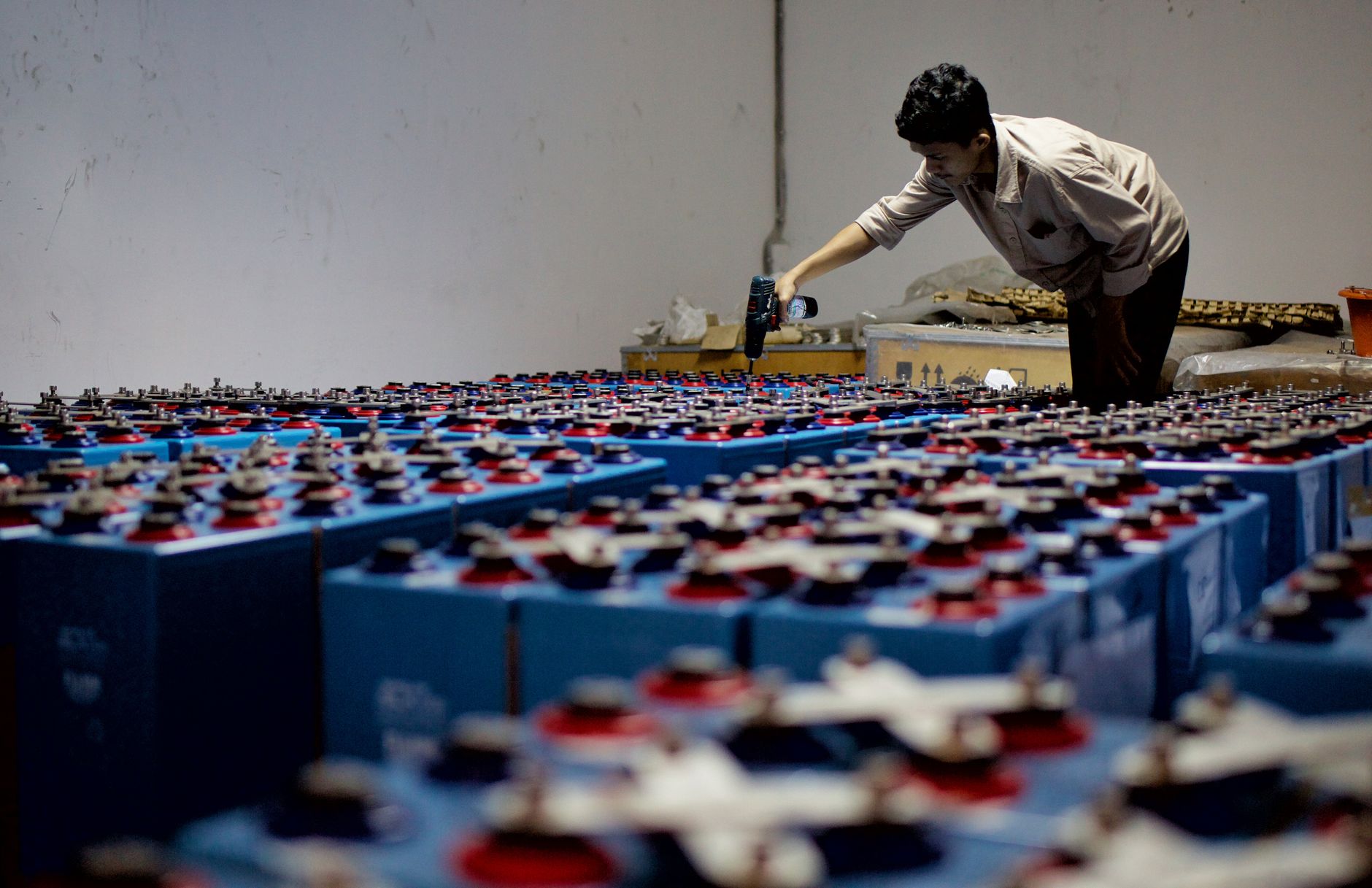
a large lithium-ion battery manufacturing plant
Battery Plant Case Study: Robot Fleet Lifted Capacity 18%
A large lithium-ion battery manufacturing plant used delivery, heavy-load transport, and cleaning robots to lift overall production capacity 18%.
- 18%
- More capacity
- 40%
- Faster delivery
- 50%
- Better turnover
- 3,000+
- Batches daily
Based on a documented real-world deployment. Figures are from public reporting; the organization is not named.
Where Throughput Was Getting Lost
The plant was pushing toward smarter manufacturing, but internal logistics still carried a lot of manual drag. Sample runs, material replenishment, inbound movement, and waste collection all had to keep pace with production inside a busy battery operation.
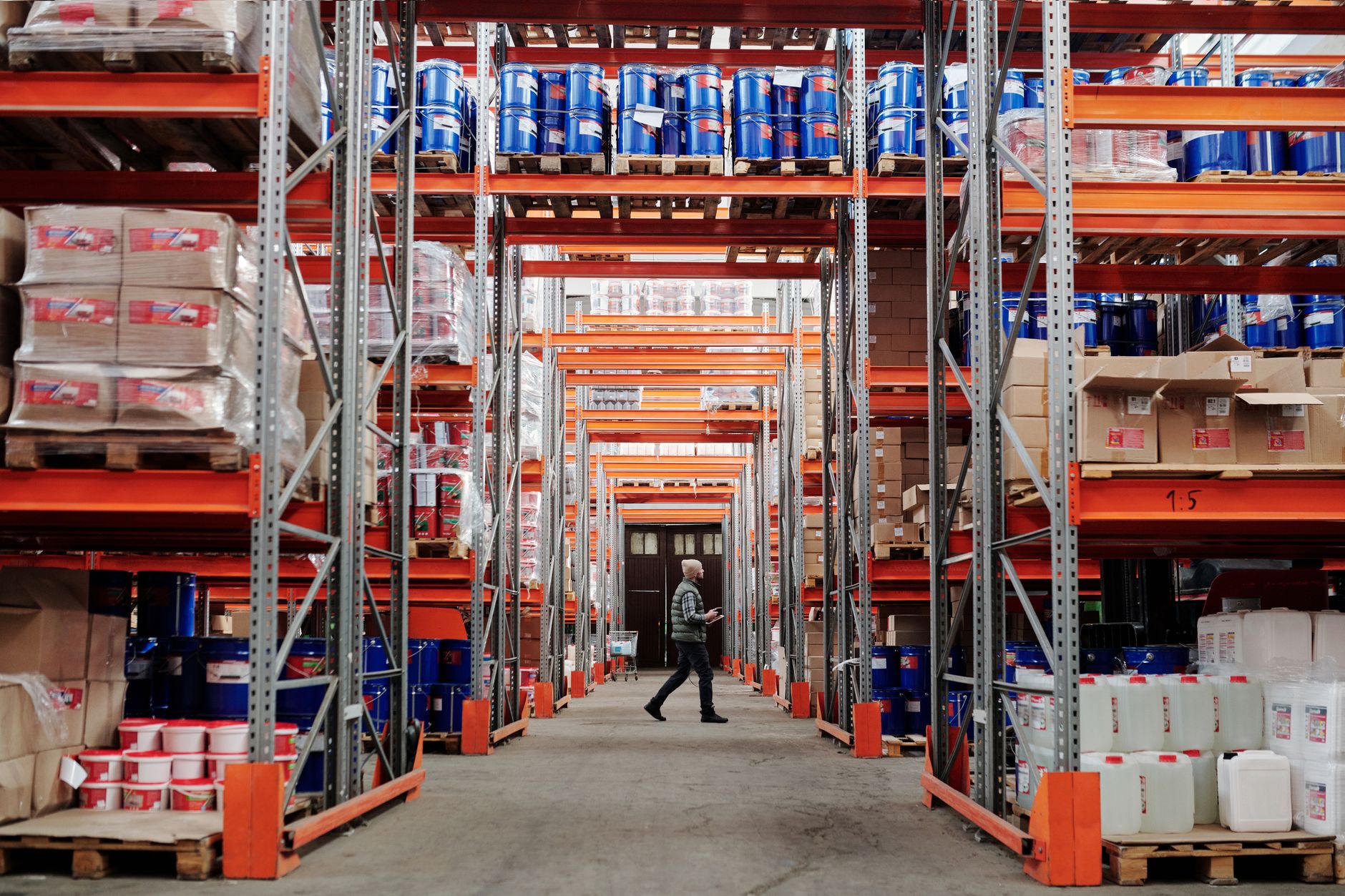
Heavier transfers created a second layer of strain. Large or bulky items had to move across stations and through narrow aisle space, while production floors and storage areas also needed steady cleaning to control debris, spills, and avoidable disruption.
- Frequent sample delivery and material replenishment trips
- Inbound logistics and waste collection inside an active plant
- Heavy or bulky items moving between stations
- Cleaning demands across production floors and storage areas
Three Roles, One Logistics Network
The documented deployment did not rely on a single robot role. It combined more than 30 delivery robots for high-frequency internal runs, heavy-load transport units for the hardest material moves, and autonomous cleaning robots for continuous floor care.
That division of labor is what made the fleet credible on a manufacturing floor. Delivery robots handled the repetitive short-cycle traffic, heavy-load units took over fixture and equipment movement across stations, and cleaning robots worked across production and storage areas so operators were not pulled away from core tasks.
- Assign delivery robots to sample delivery, material replenishment, inbound logistics, and waste collection
- Use heavy-load transport units for fixture and equipment delivery between stations
- Run autonomous cleaning across production floors and storage areas
- Manage the fleet as one internal logistics system instead of isolated robot tasks
Measured Throughput Gains
The reported gains were operational, not cosmetic. Delivery efficiency rose by about 40 percent, material-turnover efficiency improved by 50 percent, and the plant processed more than 3,000 material batches a day.
Those logistics gains carried through to the factory-level metric that matters most. Overall production capacity increased by 18 percent. In plain terms, internal movement and floor upkeep were no longer constraining output at the same rate.
What This Means for U.S. Operators
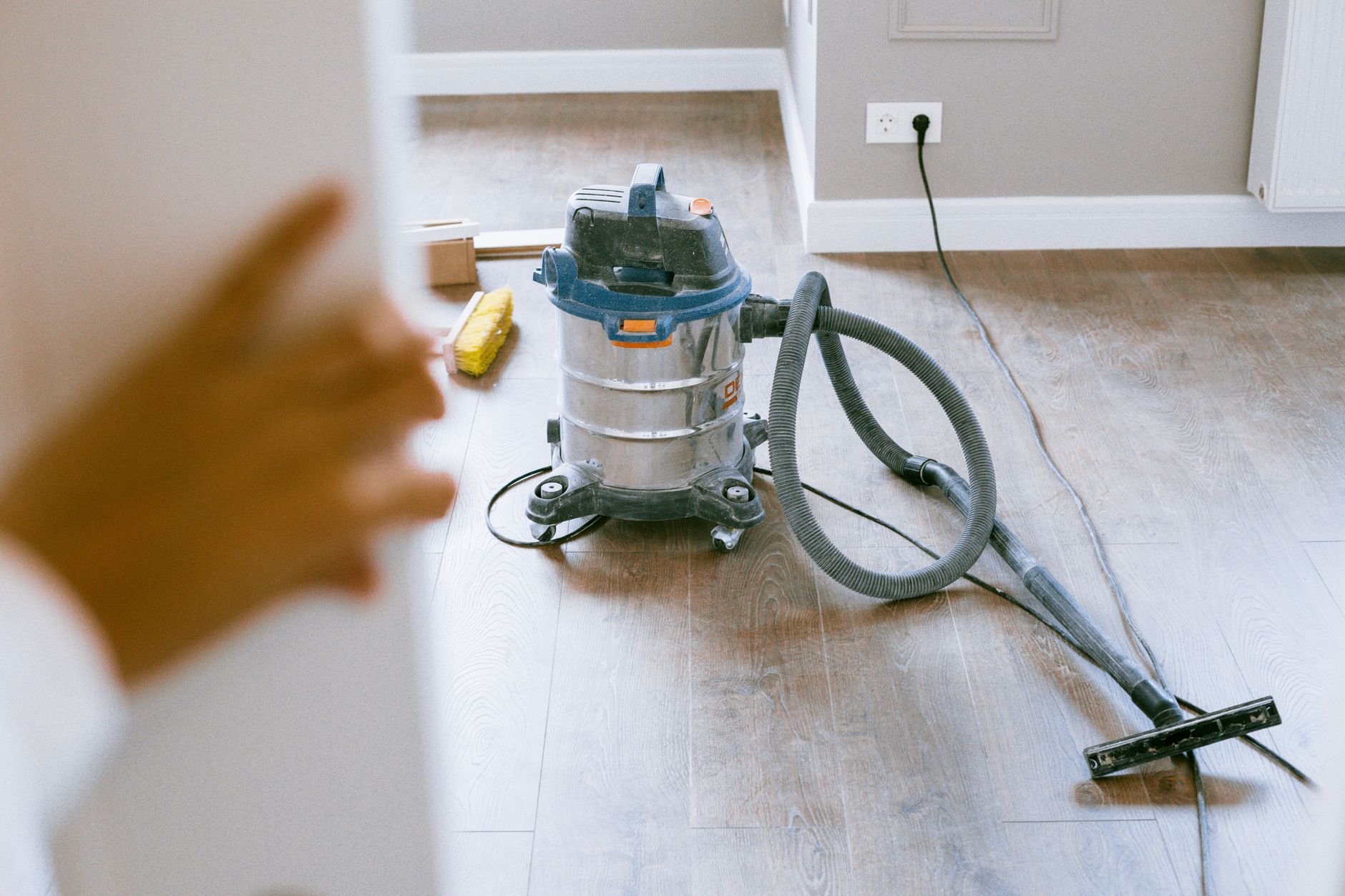
This is a documented external deployment, not a Service Robot Co. client claim. The lesson is that battery manufacturing often needs a fleet design, not a single machine: repetitive transport automation for the steady drumbeat of internal runs, heavy-load AMRs for the punishing transfers, and an industrial floor scrubbing robot for large facility coverage and overnight cleaning no operator required.
For U.S. manufacturers exploring autonomous mobile robot leasing, material handling robot leasing, or commercial cleaning robot leasing, the hard part is rarely ordering a unit. It is choosing the right mix across manufacturers, staging robot deployment and integration in a phased deployment no shutdown, training the team, financing the rollout, and keeping one partner accountable for service. That is the role Service Robot Co. is built to play as a vendor neutral robot integrator.