a battery energy-storage system manufacturing line in Europe
How a Battery-System Line Increased Throughput Sixfold With Robot Cells
A European battery energy-storage line used modular industrial robot cells for assembly, laser welding, marking, and testing, reporting a sixfold throughput gain.
- 6x
- Throughput
- 600%
- Output lift
- Modular
- Cell layout
- 2x
- Future goal
Based on a documented real-world deployment. Figures are from public reporting; the organization is not named.
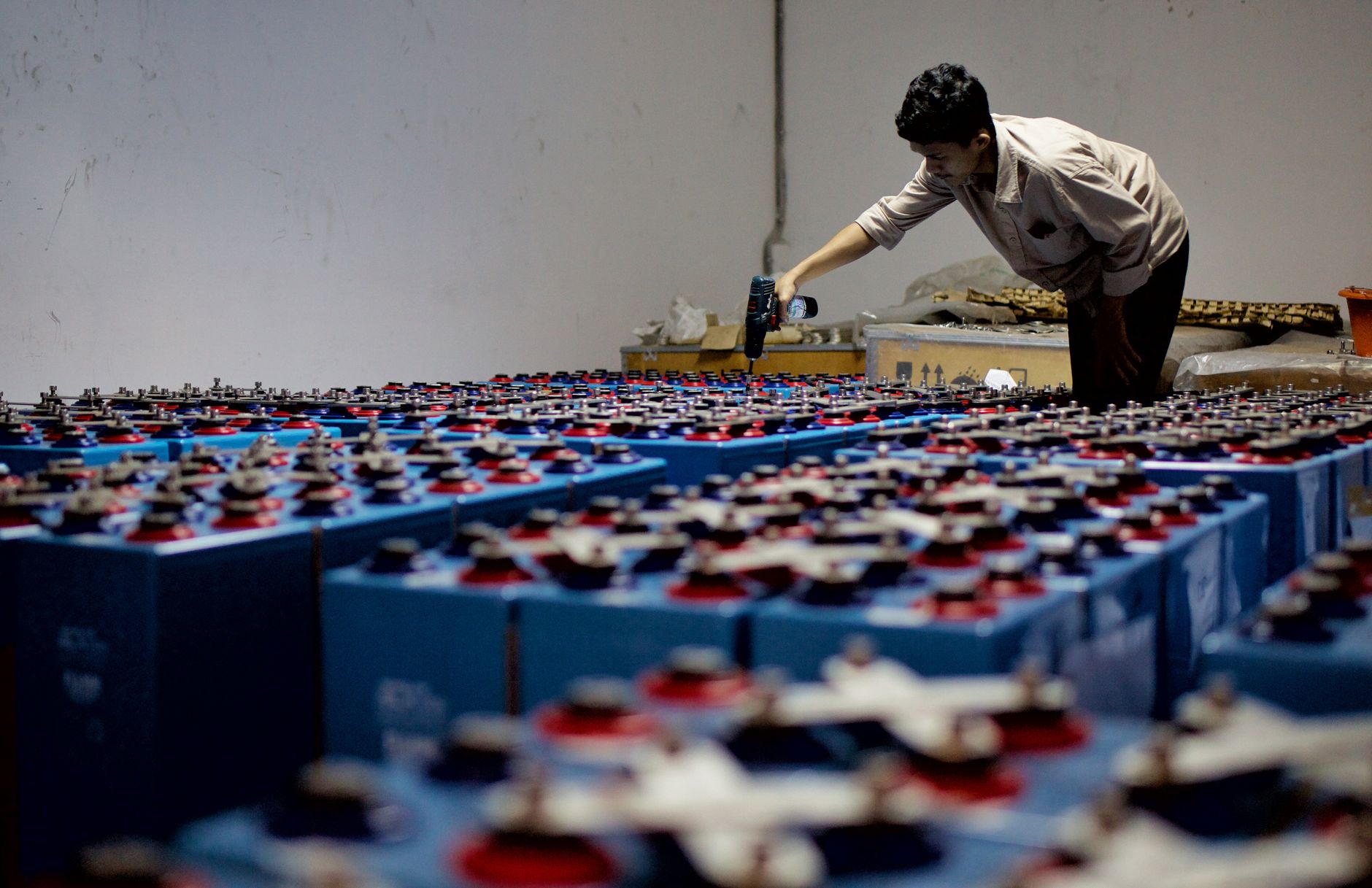
Manual packs could not keep pace
Battery pack production spans sorting, assembly, laser welding, marking, and electrical testing on one line. Manual work consumed floor space, strained ergonomics on heavy modules, and struggled to hold accuracy through high repetition.
The operator needed flexibility for evolving storage products while maximizing throughput and keeping quality and compliance tight.
- Multi-step pack build with nonstandard test steps
- Heavy handling and poor ergonomics on manual lines
- Large footprint for hand-built layouts
Modular robot cells end to end
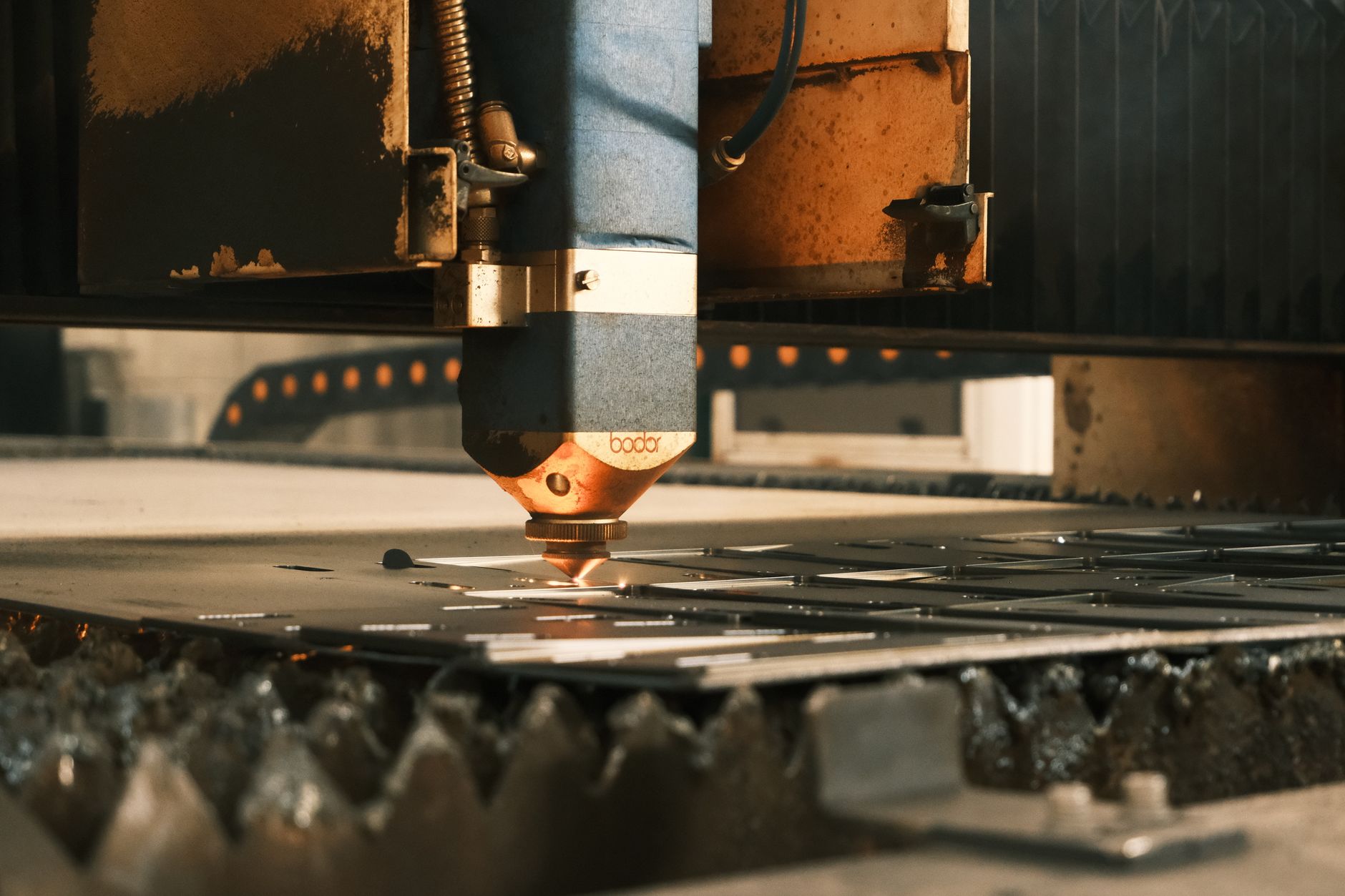
A system integrator mapped incoming material handling through recycling of packaging, electrical testing, assembly, laser marking, intricate laser welding, and final product testing. Modular robotic cells were sized so the line could scale as renewable storage demand grows.
Six-axis industrial arms with short-cycle performance were placed in compact cells to raise density on the floor. Software and cell design were chosen to adapt when product mix or test routines change.
- Automate from inbound handling through end-of-line test
- Deploy modular cells that expand with demand
- Use flexible arms for welding, marking, and assembly steps
Documented sixfold throughput gain
The automated line reported a sixfold improvement in throughput, described in the customer story as a six hundred percent boost versus the prior manual approach. Floor space use improved while repeat accuracy on testing steps rose.
Leadership noted better workforce safety and well-being by removing heavy repetitive moves. The project is positioned for a further doubling of throughput as cells expand.
Lessons for energy storage manufacturers
This is a documented real-world example, not a Service Robot Co. deployment. It shows why battery and storage lines look at modular robot cells when manual pack build caps output and floor space.
Service Robot Co. is a vendor-neutral integrator that selects industrial arms, cobots, and line automation across manufacturers, then finances, deploys, integrates, trains, and services units through a nationwide engineer network.
A phased robot pilot on one assembly and test segment can prove cycle time before you replicate cells across the full pack line.