a Midwest bedding manufacturer operating a high-volume e-commerce fulfillment center
How a Bedding Manufacturer Raised Pick Rates 87% With Warehouse AMRs
A Midwest bedding fulfillment site replaced paper picking with warehouse AMRs and lifted units per hour from 119 to 210 while cutting order cycle time about half.
- 87%
- UPH gain
- 210
- units per hour
- 50%
- faster cycles
- 30 min
- pick training
Based on a documented real-world deployment. Figures are from public reporting; the organization is not named.
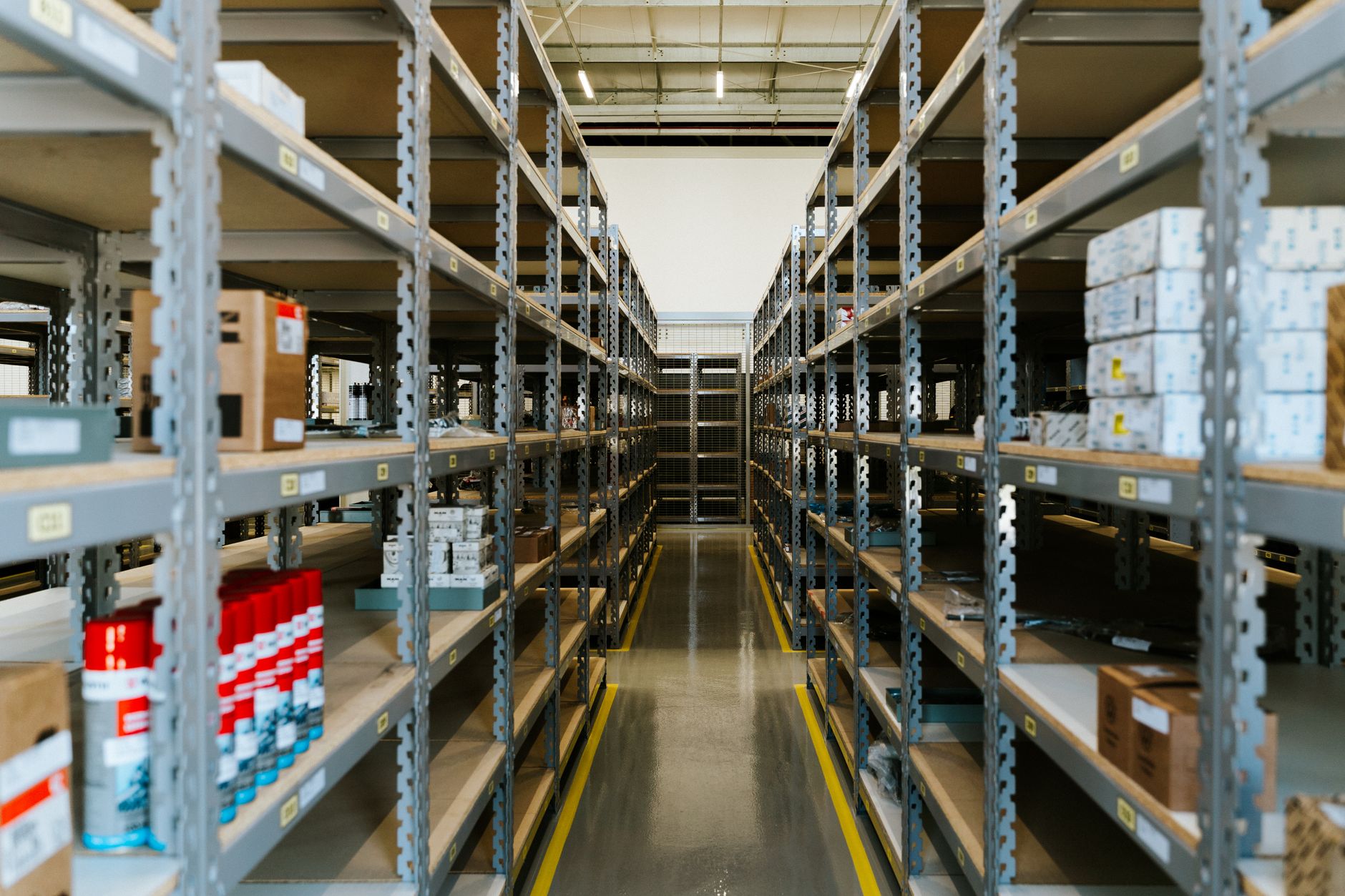
Peak volume on paper pick paths
A Midwest bedding manufacturer running direct-to-consumer orders from a Minnesota fulfillment center relied on paper lists and manual walking paths as demand climbed. Units per hour hovered around 119, and supervisors spent shift energy chasing congestion at fast movers instead of steady throughput.
Seasonal spikes made half-day training for new pickers painful every time hiring lagged. Putaway and picking both felt chaotic when promotions hit, and leadership wanted a flexible automation layer without bolting in fixed conveyor infrastructure.
- Manual pick lists capped measured productivity near 119 UPH
- Long associate training tied up supervisors during peak weeks
- Leadership needed scalable warehouse robot rental style flexibility without a full rebuild
Fleet rollout beside existing aisles
The operator evaluated autonomous mobile robots that could slot into existing rack layouts rather than a greenfield ASRS. A fleet of 33 units went live near the end of 2022, pairing each associate with a robot that met them at pick faces and carried totes through the building.
Integration focused on warehouse execution software, clear pick zones, and short training blocks so veterans and new hires could share the same workflow. Putaway simplified because bots handled the long walks between dock and storage lanes.
- Mapped fast movers and walking lanes before the first live shift
- Rolled out 33 AMRs without replacing the entire WMS stack
- Compressed pick training to about 30 minutes for basic tasks
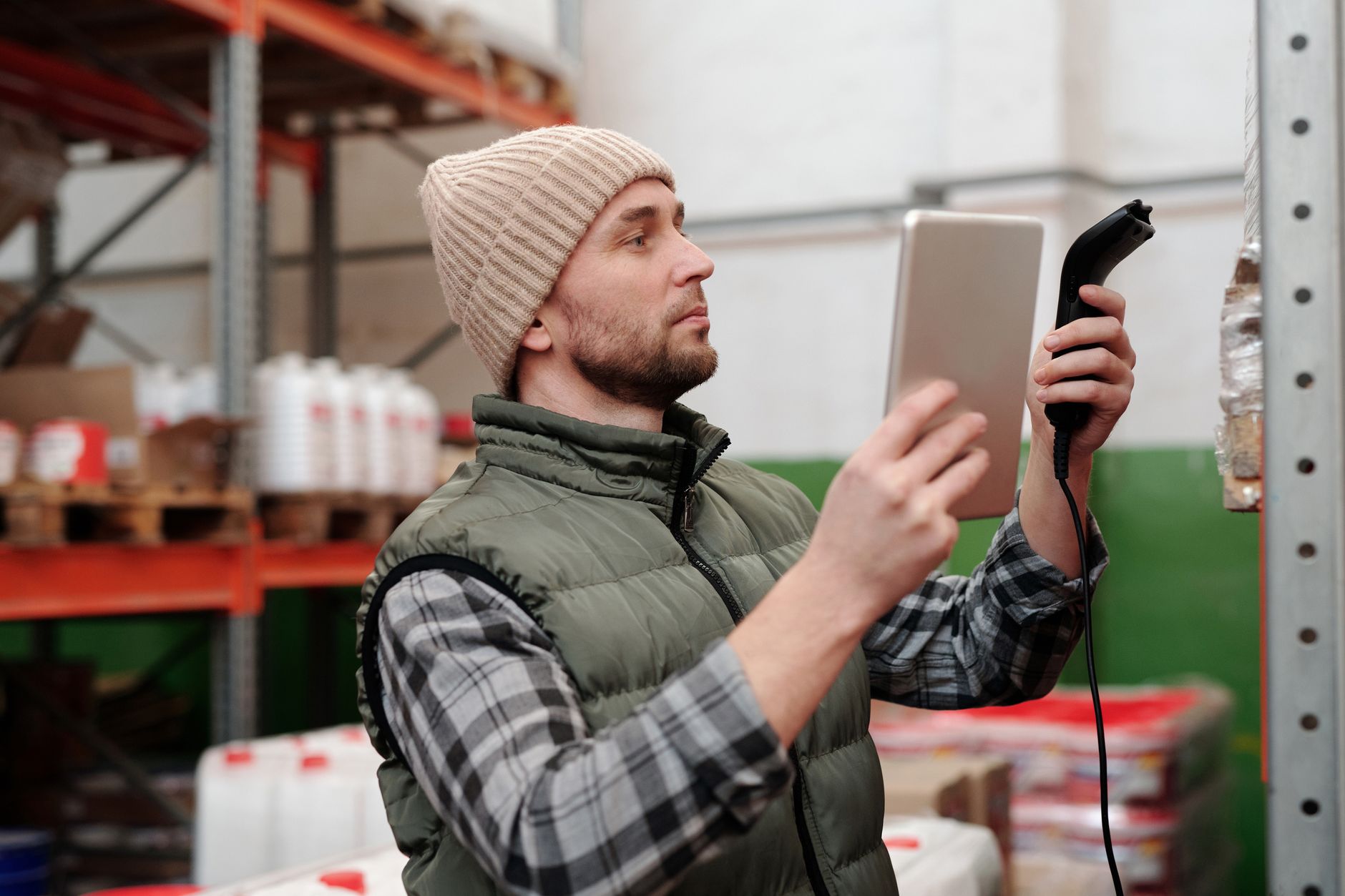
Measured picking and training gains
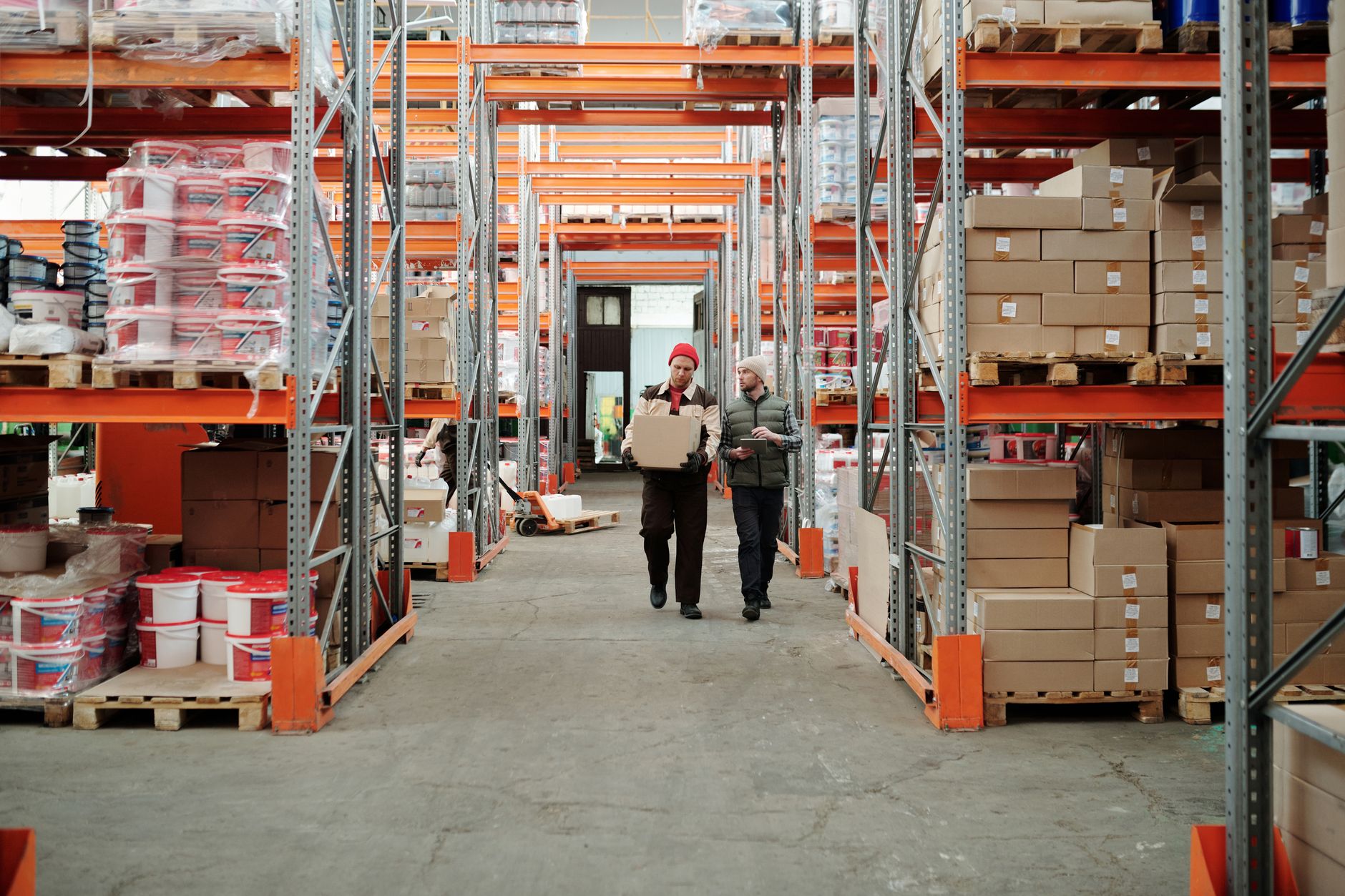
Units per hour rose from 119 on paper processes to 210 with the robot-assisted workflow, an 87% improvement that beat an internal forecast of roughly 170 UPH. Lines per hour reached about 150 LPH, and order cycle time moved about 50% faster than before automation.
Associates reported less chaos during peak promotional weeks, and leaders could steer daily goals with clearer bot-assisted pacing. Retention stayed strong, while new hires reached productive picking in a single short session instead of a half-day classroom block.
What similar operators can expect
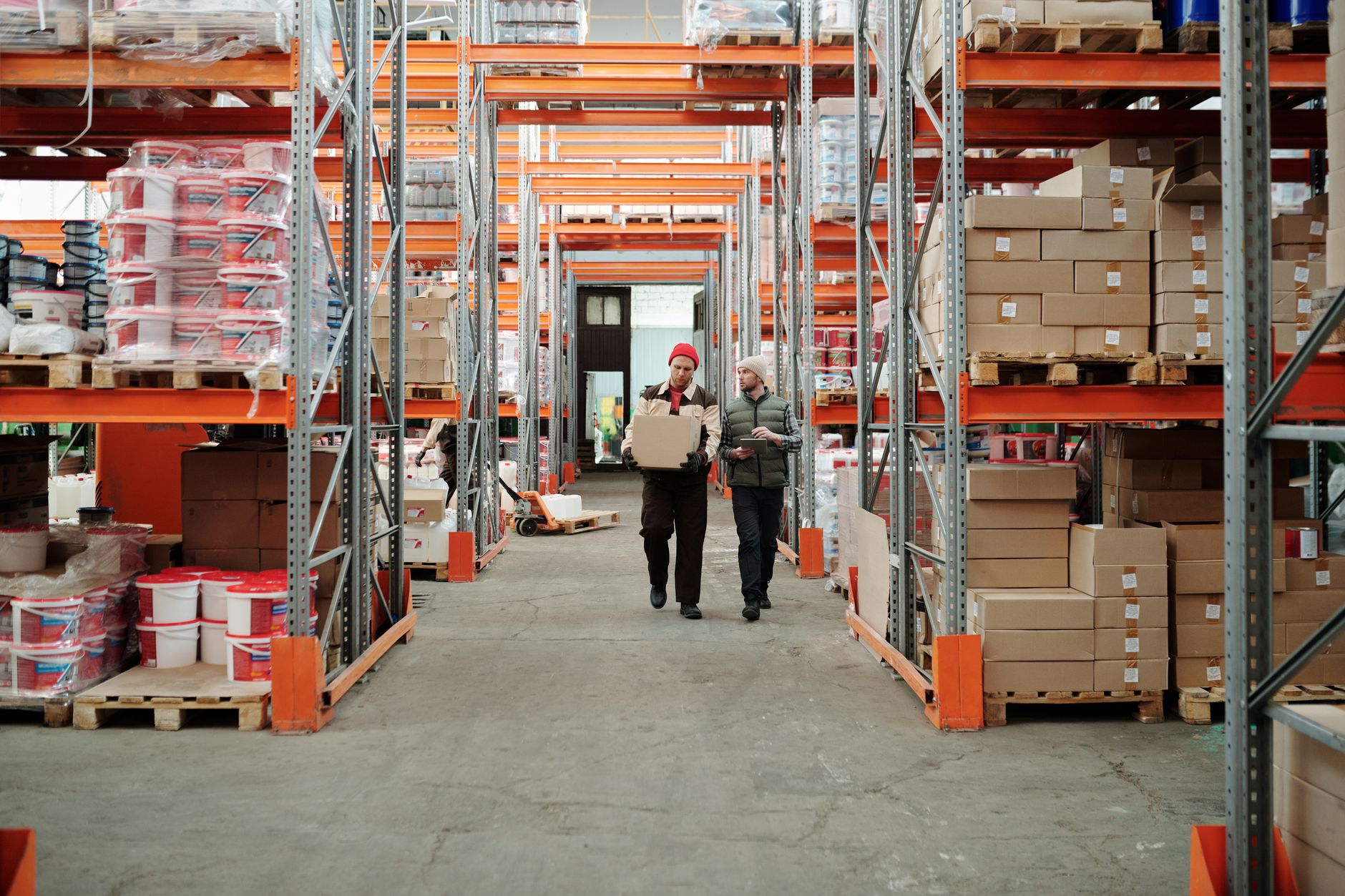
This documented deployment shows how a consumer goods fulfillment team can add AMR picking without freezing the building for months. Service Robot Co. plays the same integrator role for US sites: vendor-neutral selection, financing or robot rental monthly paths, mapping, training, and nationwide service on the units you choose.
If your metrics look like stuck UPH and long training loops, a phased AMR pilot on one zone is a practical first move. A free site assessment can confirm aisle widths, charging placement, and whether warehouse robot rental or lease terms fit your peak calendar before you scale past one wave of bots.