a biologic medicines manufacturing campus in Southeast Asia
How a Biologics Plant Saved 4,000 Labor Hours a Year With Autonomous Forklifts
A Southeast Asian biologics campus replaced manual forklift runs with autonomous vehicles, saving 4,000 man-hours yearly and about $70,000 in labor cost while improving safety.
- 4,000
- man-hours saved
- $70K
- annual labor
- 24/7
- warehouse ops
- Less
- manual driving
Based on a documented real-world deployment. Figures are from public reporting; the organization is not named.

Manual forklifts could not keep pace with sterile supply flow
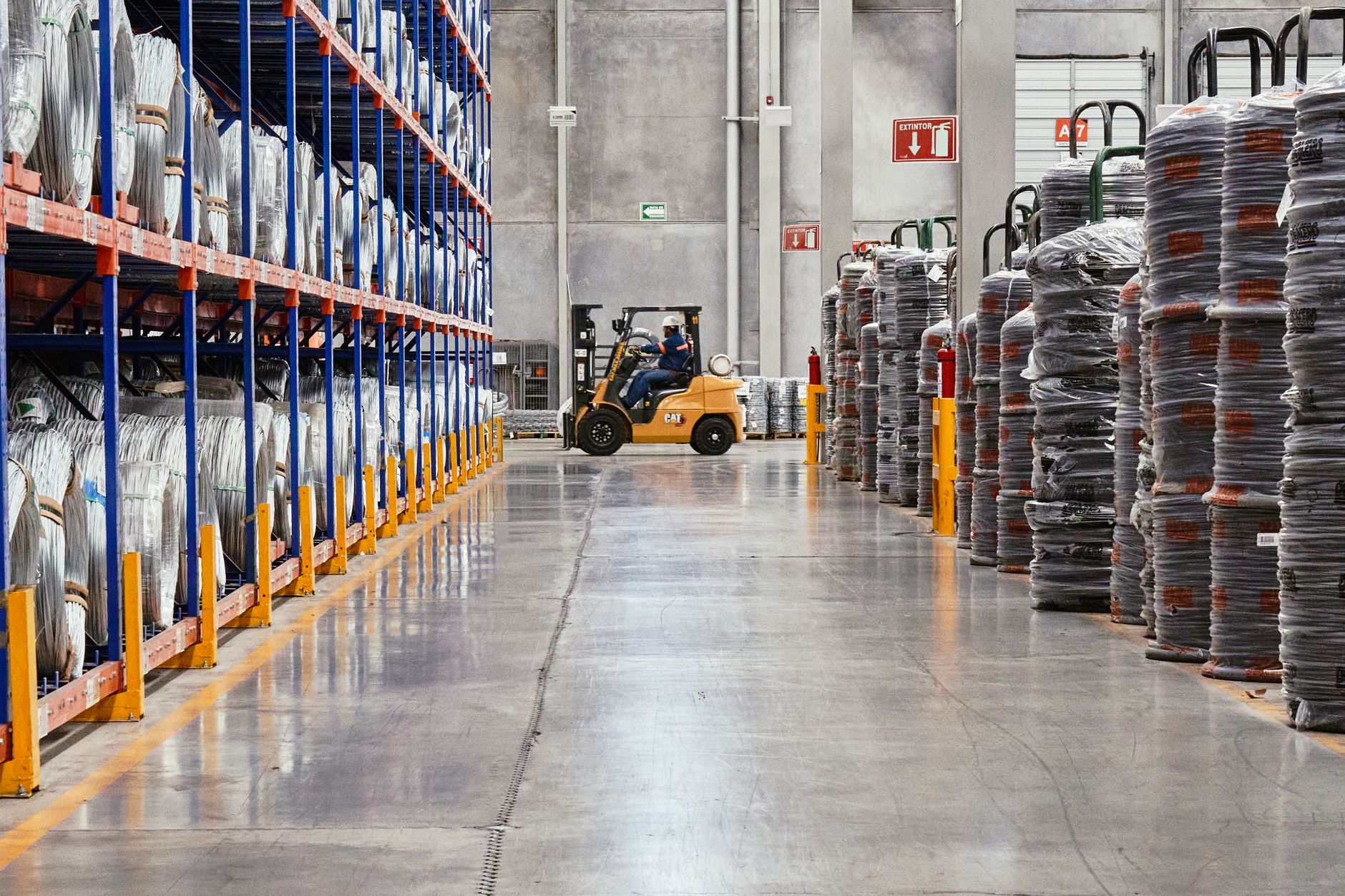
A biologic medicines manufacturing campus in Southeast Asia runs large warehouses that feed sterile drug production. Materials had moved on manual forklifts, which tied skilled operators to repetitive horizontal transport instead of higher judgment work.
Leadership wanted automation that could run closer to around the clock without breaking strict safety rules or interrupting validated workflows. The site needed autonomous vehicles that could navigate real aisles, not a demo loop that only worked on weekends.
Cost pressure sat beside compliance pressure. Any forklift automation had to cut labor hours while keeping incident risk low in a plant where downtime can delay patient therapies.
- Wide range of warehouse tasks still depended on human forklift drivers
- Safety and validation standards left little room for disruptive pilots
- Leadership targeted both labor savings and continuous material flow
Autonomous forklifts mapped to live warehouse lanes
The plant partnered with an integration team to replace manual forklifts with AI guided autonomous vehicles tuned to the facility layout. Navigation software had to handle dynamic obstacles while still completing standard putaway and retrieval moves.
Training focused on warehouse supervisors and maintenance staff who would monitor uptime, not just forklift operators shifting roles. The rollout emphasized continuous operations so night and weekend moves did not stall when office staff were off site.
Safety reviews ran in parallel with route mapping so autonomous units could coexist with remaining manual traffic during the transition. The goal was fewer human hours on the truck, not fewer eyes on the floor.
- Autonomous navigation replaced manual forklift driving on core routes
- Supervisor training covered monitoring and basic recovery procedures
- Phased coexistence with manual traffic during validation
Measured labor savings without sacrificing throughput
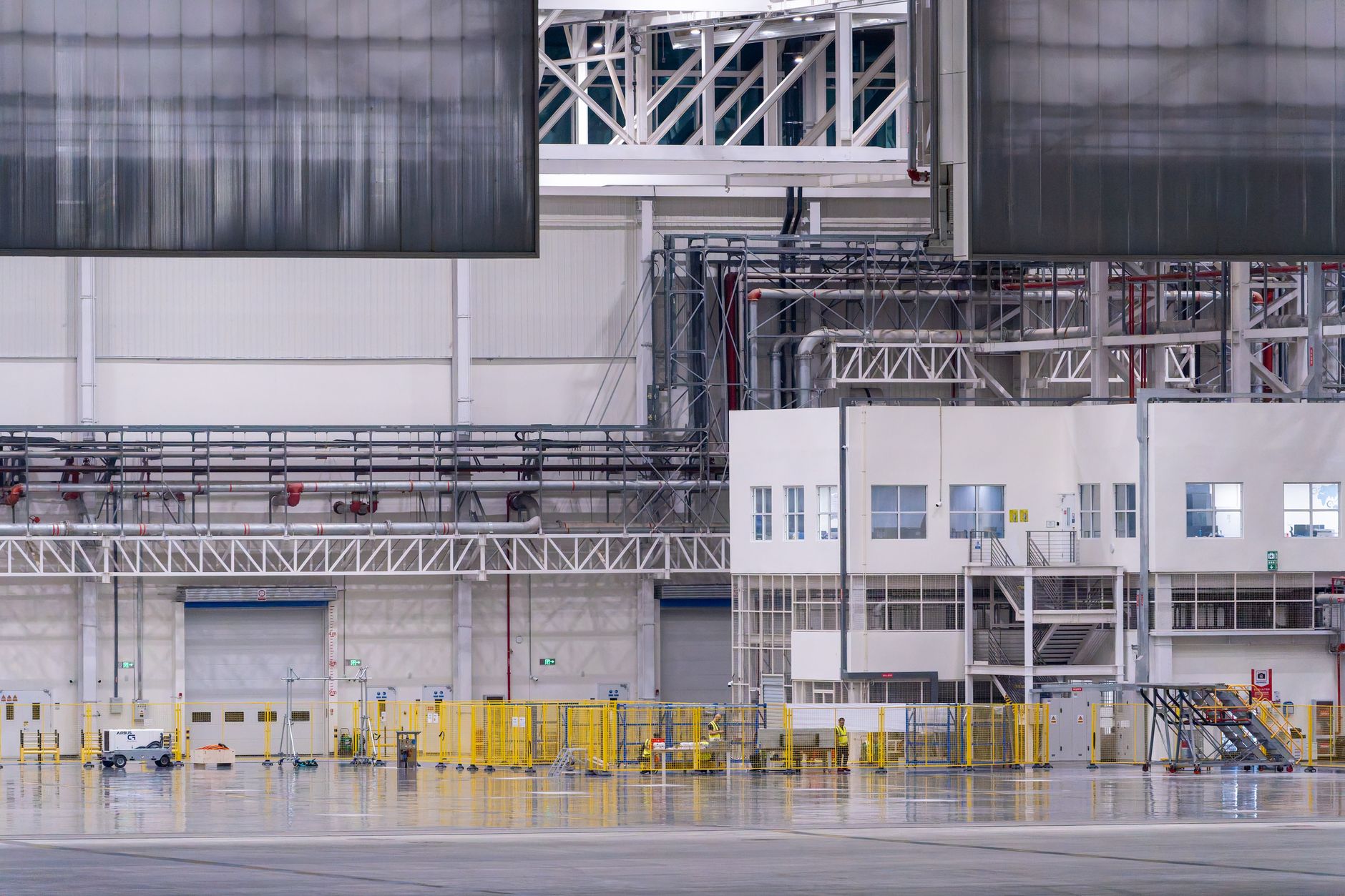
After deployment, the campus reported about 4,000 man-hours saved per year by eliminating manual forklift operations on automated routes. That time returned to staffing flexibility elsewhere in the warehouse and production support teams.
Labor costs tied to those moves fell by about $70,000 annually according to the published case figures. The plant also cited smoother continuous operations and improved workplace safety from reduced manual driving.
Leadership framed the project as a replicable model for future automated warehouse work at the site, not a one off experiment in a single aisle.
What regulated manufacturers should ask before renting forklifts
Biologics and pharmaceutical warehouses in the US face the same tension: validated processes, thin staffing, and pallets that still need to move on nights and weekends. Autonomous forklift rental or warehouse robot rental paths let you prove one lane before you revalidate an entire campus.
Service Robot Co. stays vendor neutral across autonomous forklift and AMR pallet mover options, then handles site assessment, WMS handoffs, financing, and nationwide service. Month to month material handling robot rental contracts can cover peak campaign seasons without capitalizing hardware you may retire after a line change.
The lesson from this Southeast Asian deployment is to pair navigation maturity with supervisor training. A nationwide integrator should ship spare units, remote triage, and on site dispatch so a single failed sensor does not idle cold chain materials waiting on a dock.