
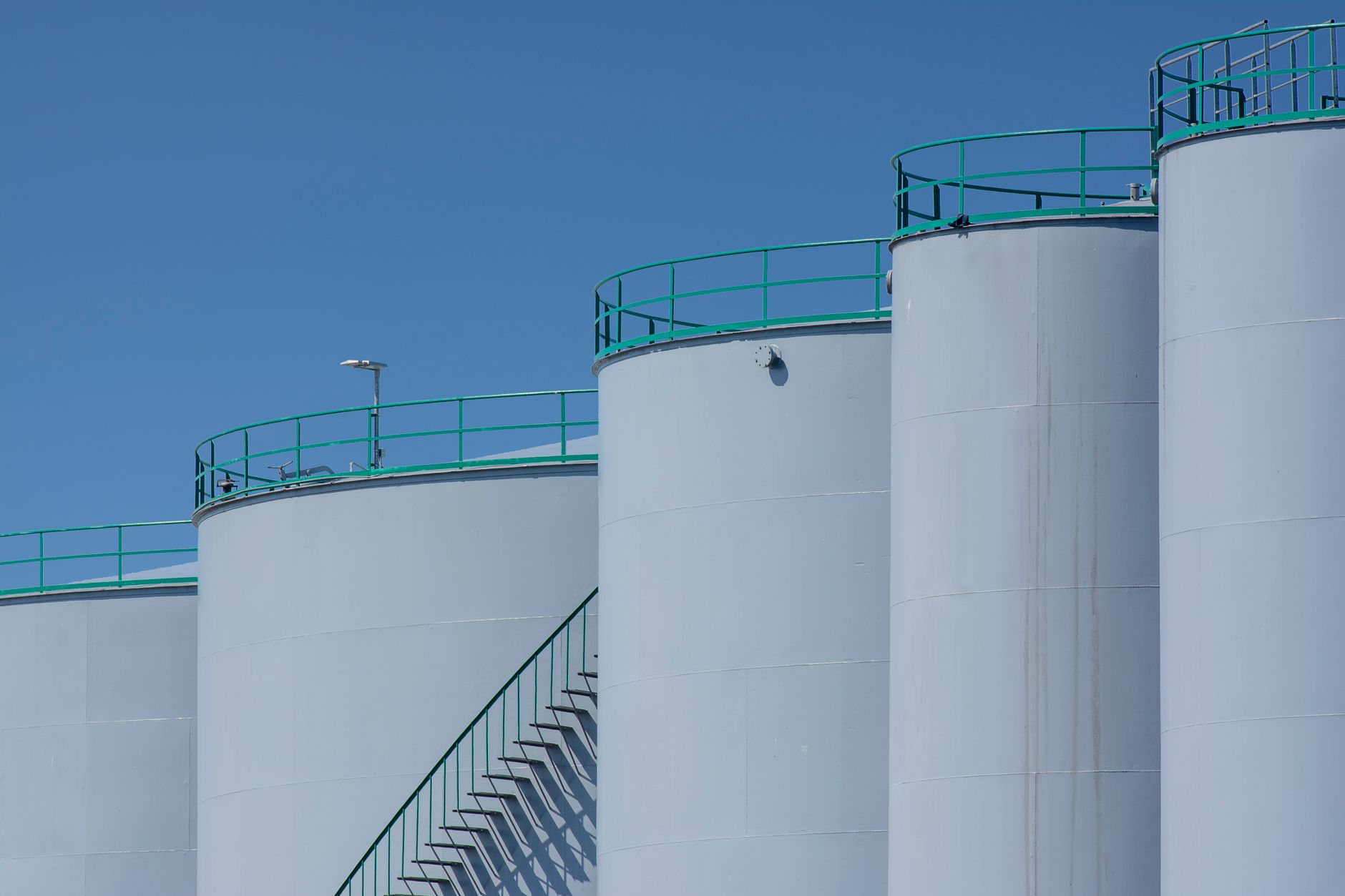
a renewable-diesel biorefinery with an in-service product tank
Renewable Diesel Tank Inspection Preserves 42.6 Days
See how an in-service robotic tank inspection preserved 42.6 days of uptime while collecting high-density data at a renewable-diesel biorefinery.
- 42.6 days
- downtime avoided
- 85%
- tank-floor coverage
- 382 hours
- confined-space entry cut
- 15 years
- inspection interval
Based on a documented real-world deployment. Figures are from public reporting; the organization is not named.
A critical inspection without a production pause
A renewable-diesel biorefinery with an in-service product tank needed an API 653 inspection of its primary storage asset. The conventional path would have required taking the tank offline, followed by extensive cleaning and a prolonged interruption to production.
The operational exposure was unusually sharp. The documented out-of-service plan carried 42.6 days of downtime, so the inspection method had to gather credible floor data while leaving the tank fully operational.
Tank geometry added another layer of difficulty. Any inspection robot had to navigate piping, supports, and sumps inside the filled vessel while collecting dense ultrasonic readings across the floor.
- Preserve production while the inspection proceeded
- Avoid confined-space entry associated with the conventional inspection path
- Navigate internal obstructions without sacrificing useful floor coverage
- Produce inspection data suitable for establishing the next interval
A focused in-service robotic inspection
The documented deployment used a submersible autonomous robot inside the operating tank. It moved around the internal structures and collected high-density phased-array ultrasonic data from the tank floor without draining the asset or interrupting operations.
This was a targeted inspection robot deployment, not a broad fleet rollout. The public record does not describe a phased rollout, operator training curriculum, or ongoing service arrangement, so those elements should not be inferred from the result.
For a comparable project, sound robot deployment and integration begins with tank candidacy, product compatibility, access planning, inspection scope, and data acceptance criteria. A robot pilot program can then prove the method on a selected asset before a larger inspection program is considered.
- Assess the tank, stored product, internal geometry, and inspection requirements
- Plan robot access and navigation around piping, supports, and sumps
- Conduct the inspection while the tank remains in service
- Review floor coverage and ultrasonic data against the inspection objective
- Use the findings to support the inspection-interval decision
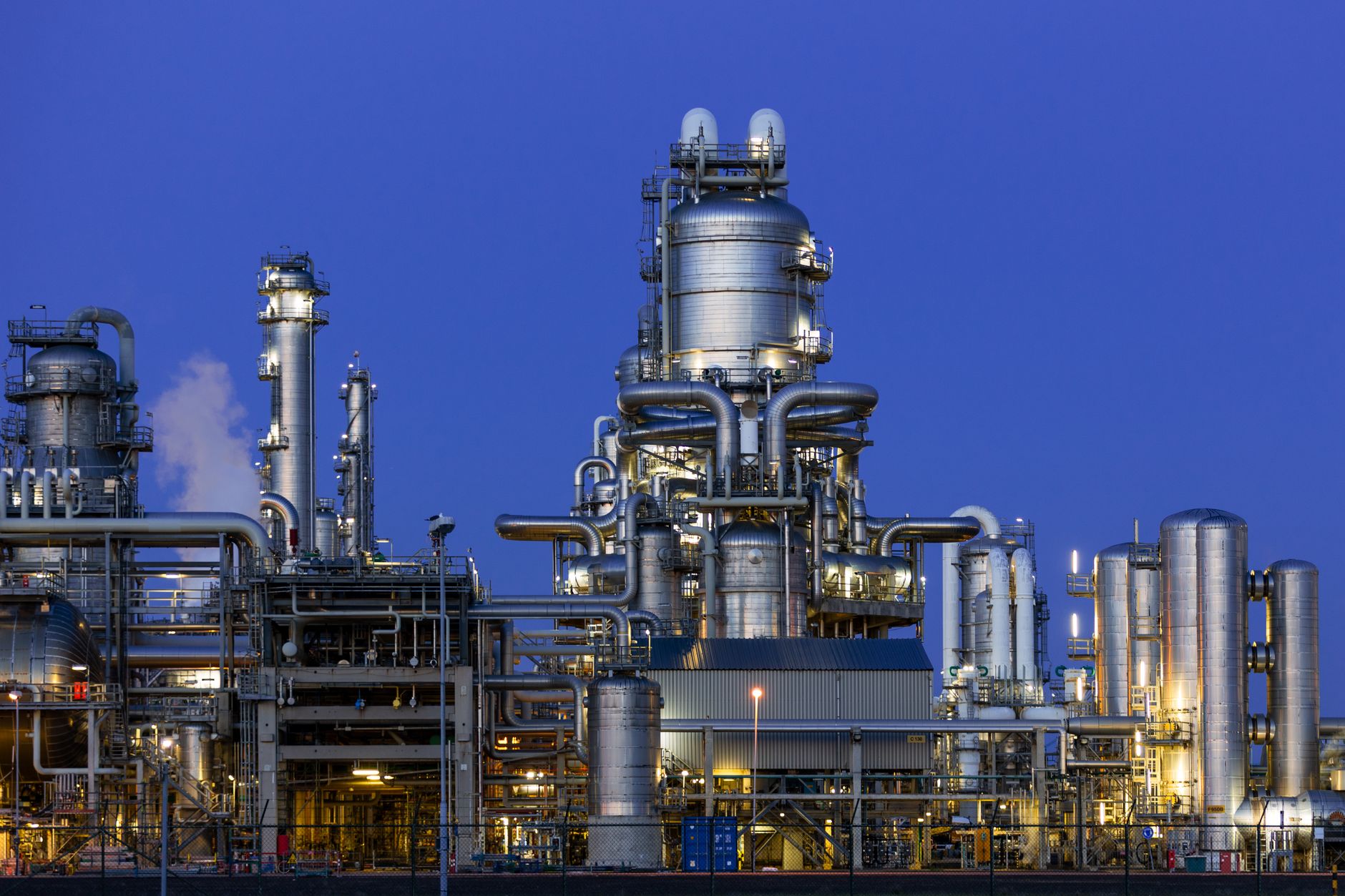
Uptime protected and inspection evidence delivered
The strongest outcome was operational continuity. The tank remained fully operational during the inspection, and the facility avoided 42.6 days of downtime tied to the conventional out-of-service approach.
The robot achieved 85% floor coverage and supported a 15-year API 653 inspection interval. The record also reports that 382 confined-space-entry hours were eliminated.
The documented financial and environmental effects were substantial: $234,023 in cleaning and out-of-service costs avoided, plus 3,938 pounds of carbon dioxide emissions contained. These are reported case outcomes for this asset, not universal projections for every tank.
From a proven use case to a deployable program

This documented example shows where submersible inspection earns its keep: on a critical tank whose outage burden may dwarf the inspection itself. It does not mean every vessel is a candidate. Product compatibility, access, geometry, data requirements, and the governing inspection plan still determine fit.
Service Robot Co. did not run this deployment. As a full-service, OEM-neutral commercial robot integrator for US businesses, we help operators evaluate options across manufacturers, arrange financing or inspection robot leasing, manage robot deployment and integration, train site teams, and support equipment through a nationwide US engineer network.
That single-vendor model gives buyers one partner for the entire lifecycle. A free site assessment can define the fit, while service robot leasing, monthly payment programs, and a robot maintenance service plan can shape an adoption path with RoboCare™ service.