
a European automotive body-and-stamping plant
Automotive Line-Supply AMR Frees Up to 40 Staff-Hours Daily
See how a European automotive body-and-stamping plant used line-supply AMRs to free up to 40 staff-hours per day for more complex production work.
- 40 hrs/day
- Staff time freed
- 3 AMRs
- Fleet after rollout
- 17 slots
- Controlled shelf bays
- 300,000 m²
- Plant footprint
Based on a documented real-world deployment. Figures are from public reporting; the organization is not named.
The Material Flow Constraint
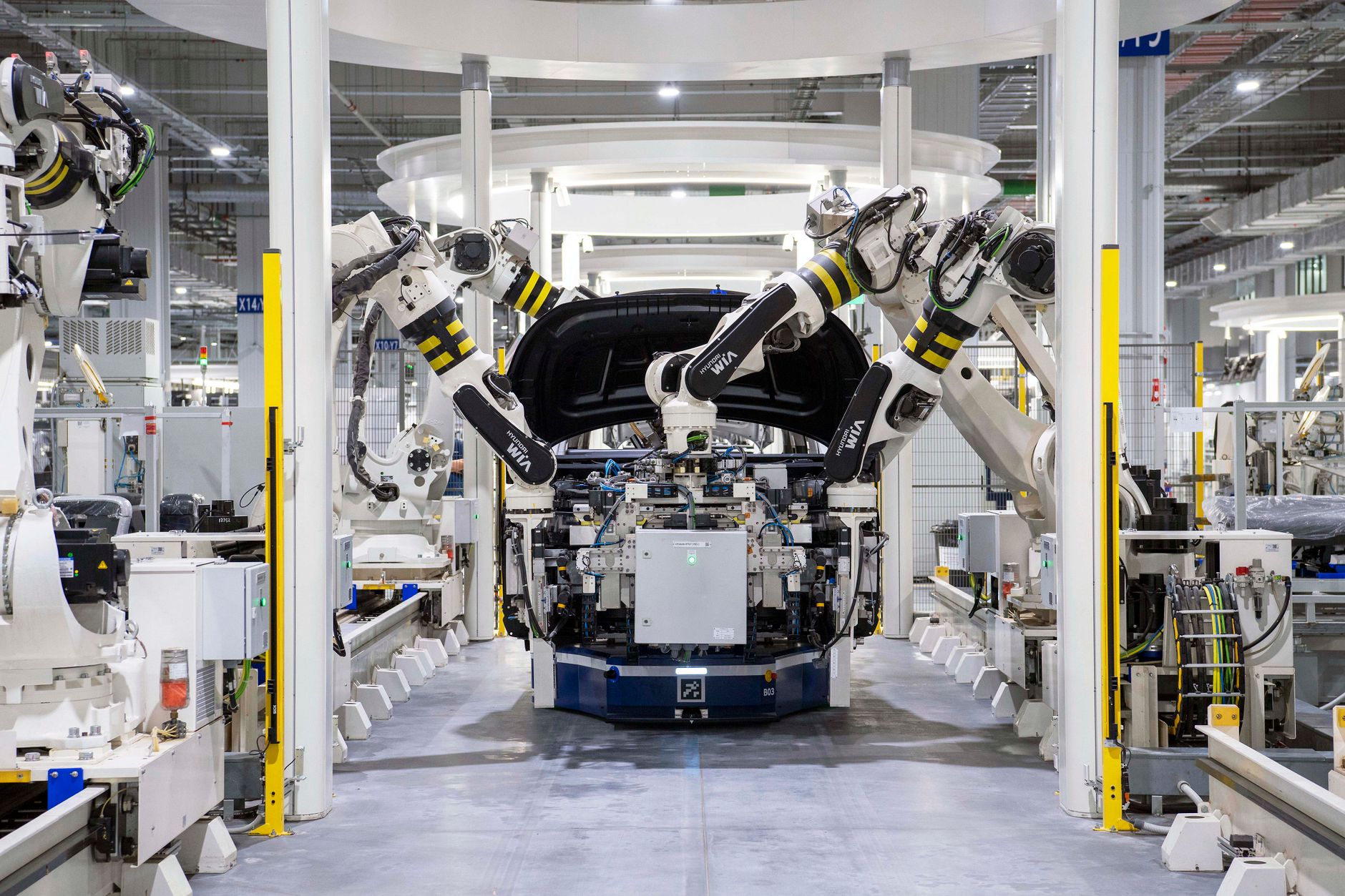
At a European automotive body-and-stamping plant, production stations depended on frequent deliveries of fresh industrial and welding materials. Employees moved those supplies manually, even though the work was repetitive, time-consuming, and essential to keeping production running.
The operating canvas was vast: 300,000 square meters supporting production of 2,000 vehicles per day. Any line-supply system had to navigate a busy industrial floor shared with workers, forklifts, other vehicles, and unforeseen obstacles while keeping the right materials moving to the right stations.
- Recurring warehouse-to-line trips consumed time better suited to skilled production work.
- Materials varied in weight and size, so each handoff needed disciplined control.
- Complex mixed traffic demanded adaptable navigation rather than a fixed path.
A Controlled Path to Autonomous Line Supply
The plant began with a single AMR and mapped a test area. Autonomous navigation was a decisive selection factor because the vehicle could run without external beacons, magnets, or tape on the floor, alter its route around obstacles, and stop when necessary.
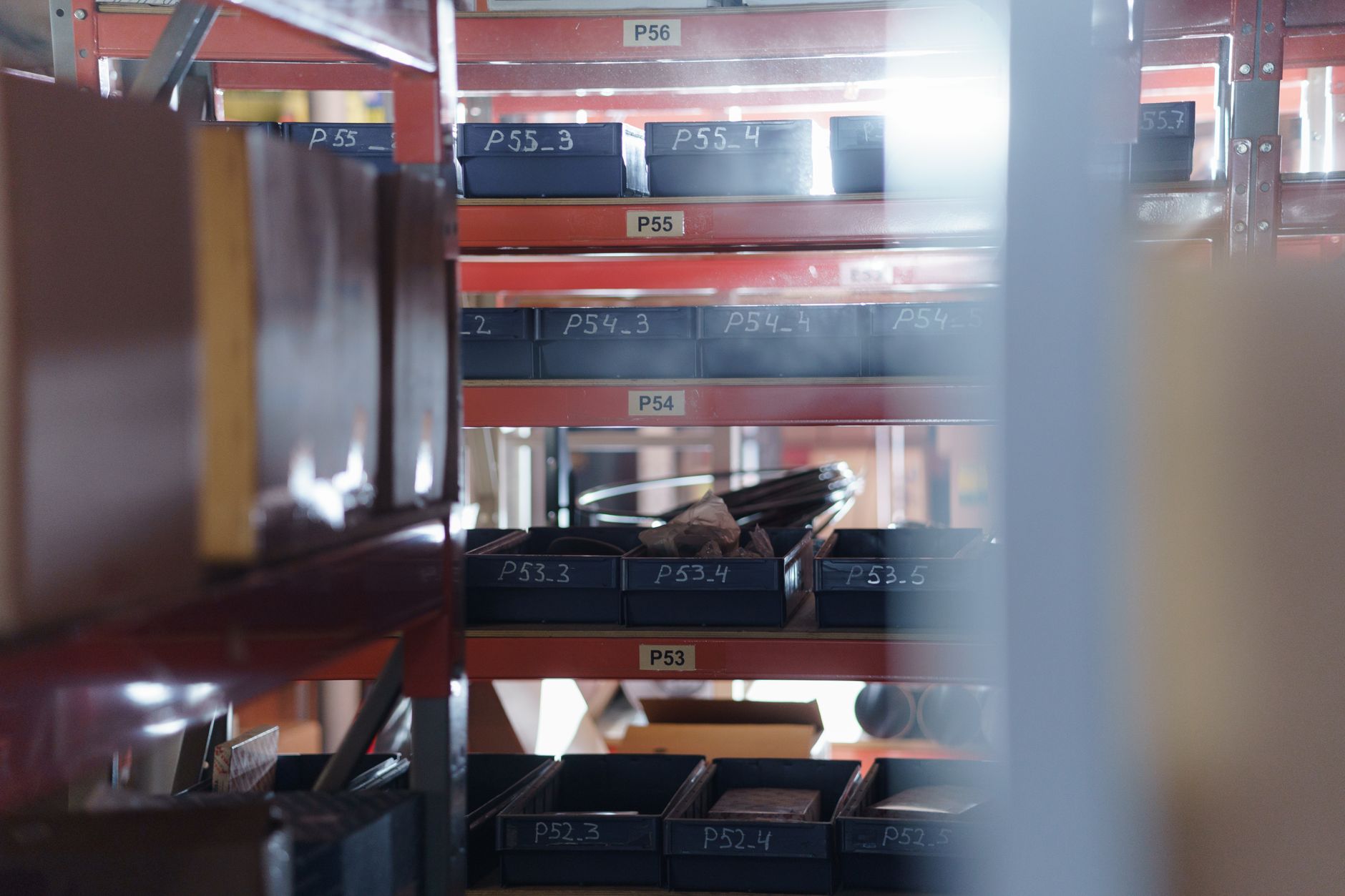
The AMR received an automated shelving system with 17 slots for materials of different weights and sizes. Automated opening and closing limited each area to its assigned materials, adding control at the handoff rather than merely automating travel.
After the initial unit performed reliably in testing, the plant introduced two additional AMRs shortly afterward. The source reports that the system was configured for use by people unfamiliar with collaborative mobile robots, but it does not document a formal training curriculum or maintenance arrangement.
- Map the test area and establish repeatable warehouse-to-line routes.
- Validate navigation around employees, forklifts, vehicles, and unexpected obstacles.
- Configure controlled material access around actual station assignments.
- Expand only after the first AMR proves the route and operating fit.
Labor Returned to Higher-Skill Work
Plant tests found that one AMR freed up to 40 staff-hours per day. Those hours were not presented as eliminated jobs. The documented benefit was the release of employees from routine transport so they could concentrate on more complex work.
The successful test led the plant to add two more units, bringing the deployed fleet to 3 AMRs. Management also reported satisfaction with the distribution application and interest in extending autonomous transport to further areas.
The published account does not provide fleetwide labor savings, throughput gains, payback, or return on investment. It would be inaccurate to multiply the single-unit finding across the fleet without route-level operating data.
From Documented Result to a Deployable U.S. Program
This documented example did not involve Service Robot Co. It shows why a U.S. manufacturer considering repetitive transport automation should begin with a bounded robot pilot program: map real routes, validate mixed-traffic behavior, configure controlled handoffs, and measure staff time returned before an AMR fleet deployment.
Service Robot Co. is a full-service, OEM-neutral commercial robot integrator for U.S. businesses. It selects the robot that fits your floor across manufacturers, then handles financing, robot deployment and integration, team training, and ongoing robot maintenance through a nationwide U.S. engineer network. Customers have a single accountable vendor across purchase or lease and the full operating lifecycle.