
an Ohio manufacturer of heavy-truck brake components
Brake-Component Robot Cell Cuts Shift Labor From 7 to 2
See how an Ohio heavy-truck brake-component manufacturer cut required shift labor from 7 units to 2 with an integrated robotic production cell.
- 7 to 2
- labor units per shift
- 5 fewer
- labor units required
- 40 years
- producing the component
Based on a documented real-world deployment. Figures are from public reporting; the organization is not named.
A Proven Program Under New Pressure
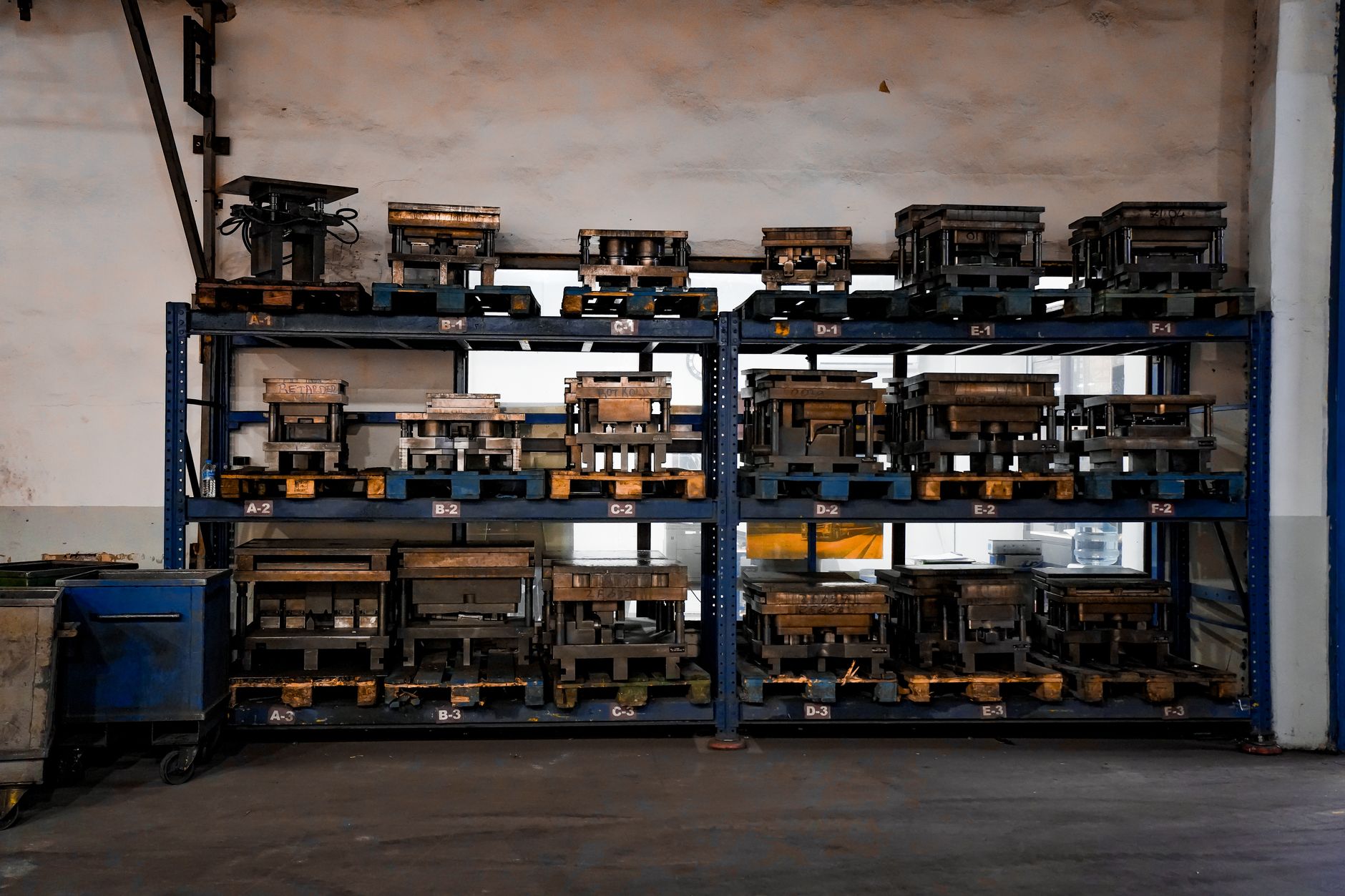
For 40 years, an Ohio manufacturer of heavy-truck brake components had produced a critical brake spider for its principal customer. The program endured, but the automation supporting it had aged while profitability tightened.
Staffing had become equally troublesome. Available, dependable labor was difficult to secure, leaving a mature production line exposed to attendance variability and making schedules harder to manage.
- Aging automation constrained a long-running brake-component program.
- Unreliable labor availability put production continuity at risk.
- Shrinking profitability increased the cost of leaving the process unchanged.
A Purpose-Built Material-Handling Cell
The manufacturer engaged an integration partner to engineer a custom, multi-robot production cell. The cell combined articulated material-handling robots with different working envelopes, giving each movement an appropriately sized machine instead of forcing one robot type across every task.
This was integrated production automation, not a stand-alone machine dropped beside the line. The disclosed hardware mix indicates that robot selection followed the handling duties and available floor space, while the resulting cell gave production planners more freedom to organize work.
The published account says existing employees were upskilled, but it does not describe the training curriculum, service agreement, or commissioning sequence. It also does not document a robot pilot program or phased deployment with no shutdown, so those details should not be inferred.
- Assess the legacy process, labor exposure, part flow, and available footprint.
- Match different material-handling duties to appropriately sized articulated robots.
- Integrate the machines as one coordinated production cell.
- Upskill current employees and redeploy labor where it creates more value.
Five Labor Units Released Per Shift
The defining result was direct and measurable. Required labor fell from 7 units per shift to 2, a reduction of 5 labor units for the same brake-component program.
The manufacturer said the change created flexibility to use those people elsewhere in the facility. The source also reports increased output, easier production-schedule management, maintained quality, and greater manufacturing-floor flexibility, although it provides no numerical measurements for those gains.
That distinction matters. The documented win is not a speculative productivity rate, but a verified reduction in labor dependence paired with higher output and more latitude in how the plant assigns its workforce.
A Lifecycle Model for Similar Plants
This deployment was not performed by Service Robot Co. It is a documented industry example showing why an integrated cell must be designed around the work, the plant, and the workforce rather than around a favored robot brand.
Service Robot Co. serves US businesses as a full-service, OEM-neutral commercial robot integrator. For a comparable plant, the company can select the robot that fits your floor, arrange financing and monthly payment programs, manage robot deployment and integration, train operators, and support every unit through a nationwide US engineer network.
That model also gives buyers one place to compare commercial robot leasing, robot leasing for business, and purchase paths without being locked into one manufacturer. From site assessment mapping and go-live support to a robot maintenance service plan and on-site dispatch, the operational value is one partner, one number across the equipment lifecycle.
Frequently asked questions
Want a robot working for you?
Tell us the job and the site. We will recommend the robot, quote the lease, and keep it serviced.