
a branded-goods warehouse operator
A Branded Goods Warehouse Pairs AMRs With a WMS and Cuts Associate Walking 82%
How a branded goods warehouse paired autonomous mobile robots with a warehouse management system, and what the 82% walking cut does and does not show.
Deployment at a glance
- 82%
- Cut in associate walking after the robots went in
- AMR+WMS
- Robots and warehouse software run as one system
- Distance
- Measured as walking distance, not labor hours
Based on a documented real-world deployment. Figures are from public reporting; the organization is not named.
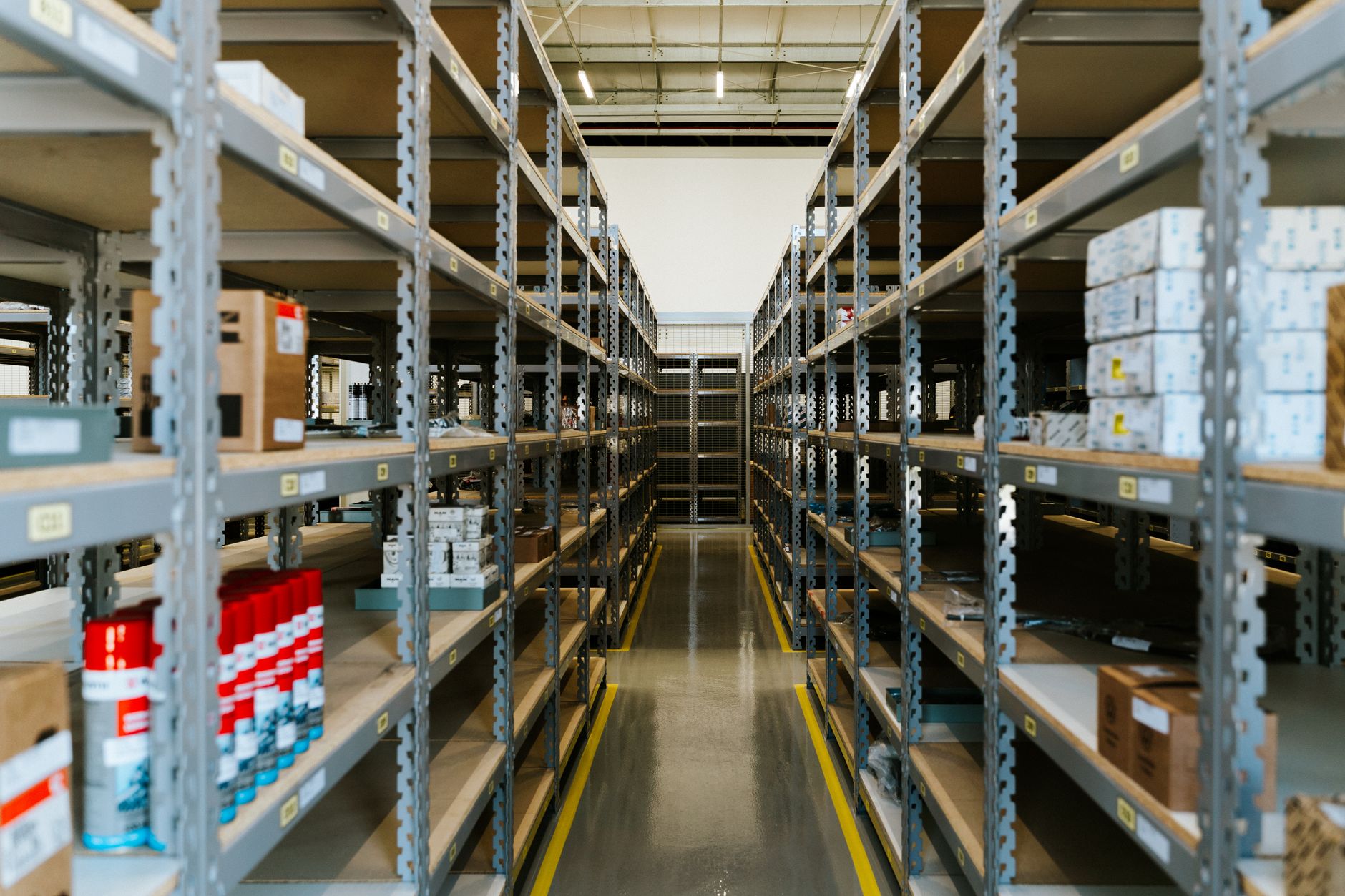
Too much of the shift spent on foot
A branded goods warehouse pushes a wide range of product across the same floor. Every pick, replenishment and staging run asks an associate to cover ground, and the walking adds up over a shift. Time on foot is time not spent at the pick face or the packing bench.
The pressure was not a lack of effort. Associates were busy and willing. The trouble was that too much of their movement came from walking to every location themselves, run after run.
Walk time also hides inside pick rates and shift reports. Managers often sense the drag without being able to say how large it is.
- Long walks between pick locations on a wide floor
- Associates walking to fetch or stage goods that a machine could carry
- Little clear visibility into how much of a shift went to travel
Robots and warehouse software working as one system
The operator introduced autonomous mobile robots (AMRs) alongside a warehouse management system (WMS). The two were meant to work as one system, with the software deciding which task needs doing and the robots taking on the travel that used to fall to associates.
In a setup like this, the WMS assigns the work and the robots carry it across the floor. Associates keep the picking and handling that needs a human hand, and the robots remove the walk between those tasks.
The sequence below describes the usual path for a project of this kind. Projects like this tend to start in a defined zone and widen coverage once routes, handoffs and exceptions are understood.
- Map the floor and define the routes the robots will use
- Connect the WMS to the robot fleet so tasks flow without manual dispatch
- Start in a defined area and widen coverage as routes prove out
- Train associates to work alongside the robots
- Set up service and fault response before the full fleet goes live

Walking down 82%, with the metric kept honest
The headline result is an 82% reduction in associate walking. That is a distance measure. It shows how much less ground associates covered, but it does not show how many labor hours were saved or what the work cost.
For that reason this study does not turn the walking figure into a labor cost saving or a headcount number. A team planning a similar project should set targets for labor hours, pick productivity and cost, and track each one with a separate method.
Employee satisfaction was part of how the operator described the project. It matters, but it does not reduce neatly to a single number, so it belongs in a separate survey and not inside the walking figure.
What a project like this asks of an integrator
A result like this depends on the robots, the warehouse software and the floor working together, with someone accountable for all three. Service Robot Co. is a full service, OEM neutral commercial robot integrator for US businesses. We select the right robots across manufacturers, then finance, deploy, integrate, train and service every unit through a nationwide US engineer network, so one partner carries the project from site survey to daily operation.
Our offer is a lease and nothing else: a three year lease with one fixed quote given after a site assessment. A branded goods warehouse can see the cost picture before any robot moves, and can start with a single zone before deciding how far to extend the fleet.
Robot WMS integration is where many projects slow down, so keeping selection, lease, integration and service under one roof keeps the scope clear. A deployment like this one is a useful reference point. It is not a Service Robot Co. project, and any plan we scope would begin from the operator's floor and goals.
Frequently asked questions
Want a robot working for you?
Tell us the job and the site. We will recommend the robot, quote the lease, and keep it serviced.