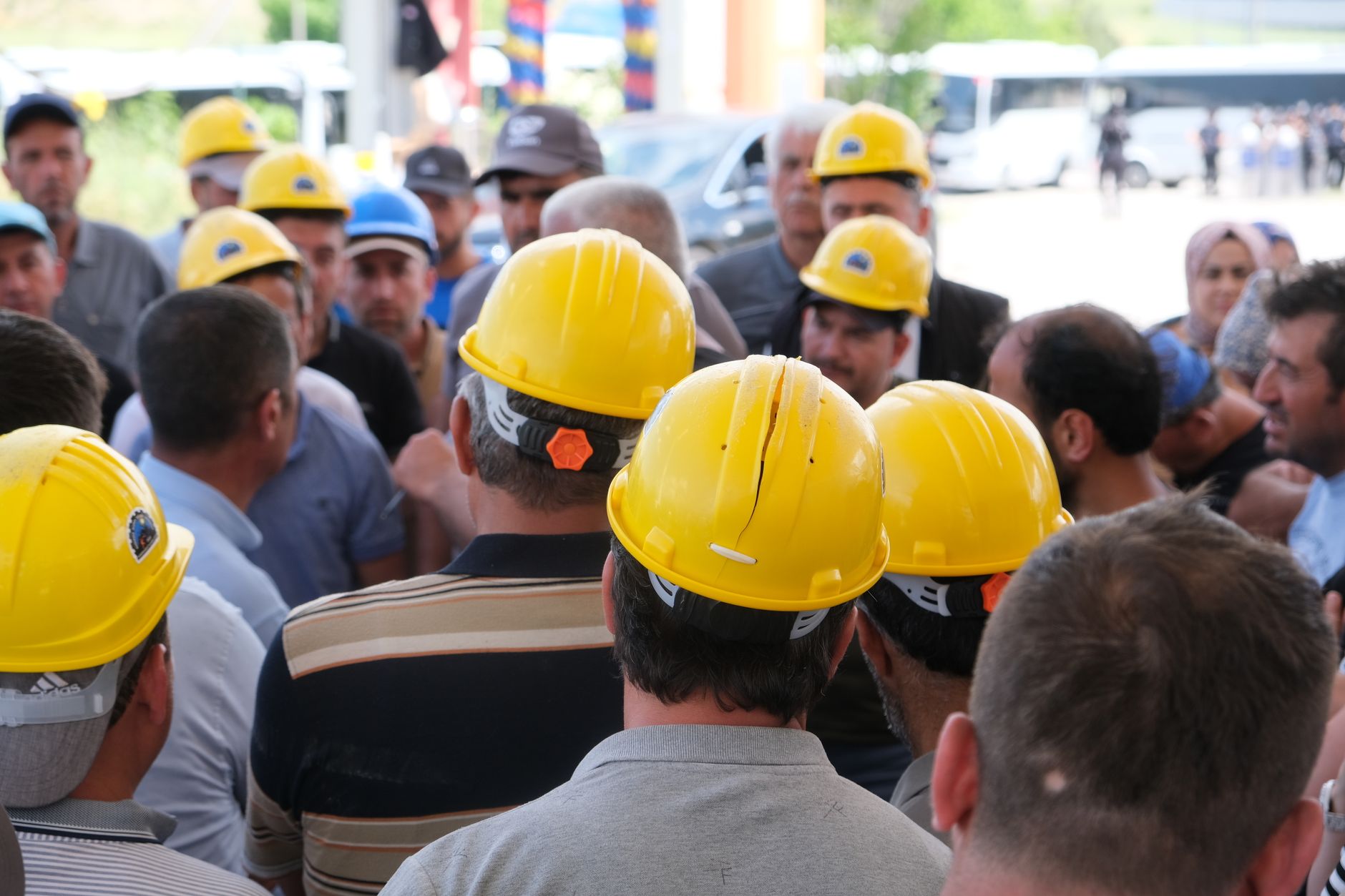
a four-span bridge replacement project in western Pennsylvania
Bridge Deck Rebar Work Cut Crew Hours and Duration by 34%
A four-span bridge replacement project in western Pennsylvania used autonomous rebar tying on two spans and cut budgeted crew man-hours and duration by 34%.
- 34%
- fewer crew man-hours
- 34%
- shorter work duration
- 2 of 4
- spans robot-assisted
- 14%
- extra labor savings
Based on a documented real-world deployment. Figures are from public reporting; the organization is not named.
Labor Pressure on the Deck
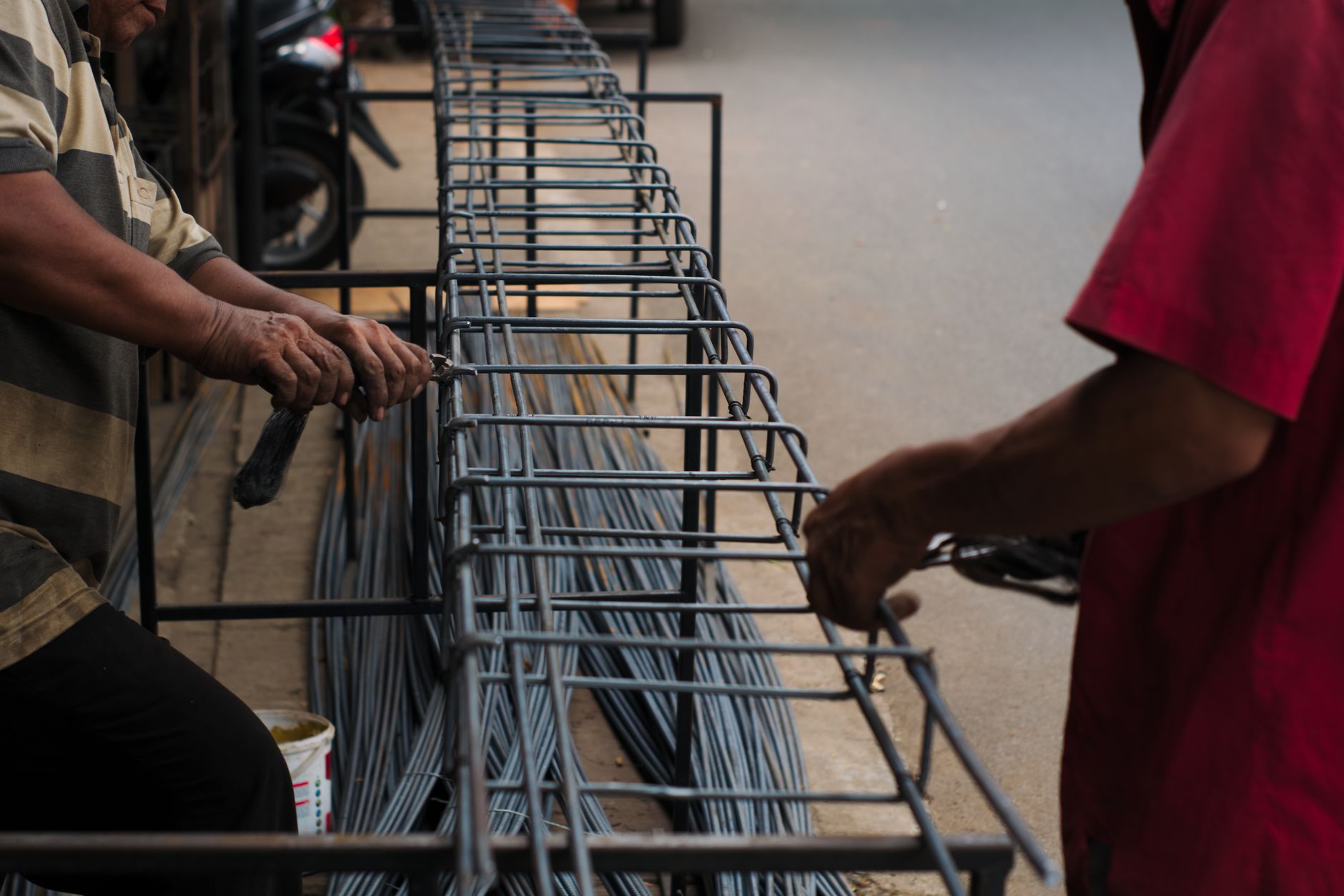
Bridge deck reinforcing is repetitive, labor-hungry work with very little slack in the sequence. On the manually tied spans, the contractor recorded that the bulk tie sub-activity alone consumed 20% of total man-hours, while the crew still had to carry, place, and adjust steel across the deck.
The harder problem was not simply tying faster. It was preserving skilled hands for the tasks that still demanded judgment and physical placement, while proving that any gain came from a different operating method rather than from a smaller crew or an easier benchmark.
- Bulk tying was a major repetitive share of deck labor.
- Skilled workers were still needed for placement and other field-critical tasks.
- The team needed a side-by-side comparison that operations leaders could trust.
A Controlled Rollout Across Two Spans

The contractor introduced the robot in a measured way. Two spans were completed without robotic tying, then an autonomous rebar-tying robot handled the bulk tie portion on the other two spans. The manpower level stayed the same, which made the comparison direct and operationally clean.
That choice changed how labor was used. Once bulk tying moved to the robot, the crew could concentrate on carrying and placing rebar and on the remaining sub-activities that still required manual execution.
The source does not detail a separate classroom training block or service program. What it does show is a phased live-job rollout, supported by tighter pre-planning so the robot spent less time waiting on placed rebar.
- Set a manual baseline on two spans.
- Assign robotic bulk tying to the other two spans.
- Hold crew size steady for a fair comparison.
- Shift skilled labor toward placement, coordination, and other complex work.
Measured Gains in Time and Labor
The documented gain was larger than the obvious target. Because bulk tying represented 20% of total man-hours on the non-robot spans, that was the expected savings band. Instead, the robot-assisted spans came in 34% below budgeted man-hours, capturing another 14% beyond the tie task itself.
Duration moved with the labor result. The robot-assisted work finished 34% faster even though crew size did not shrink. The source attributes that lift to two linked effects: skilled workers were freed for placement work, and tighter pre-planning kept the deck operation moving instead of reacting in the field.
What This Means for Construction Teams
This is the kind of field rollout where a vendor neutral robot integrator earns its keep. A contractor does not need a machine dropped at the gate. It needs robot deployment and integration that fits the work sequence, practical crew training, and service support after go live.
That is the role Service Robot Co. plays for US businesses. We start with a free site assessment, select the right robot across manufacturers, support purchase or lease and monthly payment programs, then deploy, train, and service each unit through one accountable relationship for the full lifecycle.