a multitrade building project with four 750-square-meter work zones
How a Building Project Cut Strenuous Drilling Hours 98%
A multitrade build compared manual and robotic concrete drilling on the same site, cutting muscle-strain work hours 98% and finishing 10% faster.
- 98%
- Strain hours
- 10%
- Faster cycle
- 5→3%
- Rework drop
- 4
- Work zones
Based on a documented real-world deployment. Figures are from public reporting; the organization is not named.

Overhead drilling that wore crews down
A multitrade building project with four 750-square-meter work zones needed thousands of hanger holes drilled in cast-in-place concrete ceilings. Mechanical, electrical, and plumbing trades traditionally took turns in each zone, drilling overhead in noisy, dusty conditions.
The work was physically punishing and slow to coordinate. General contractors wanted a side-by-side comparison on one site before betting the schedule on robotics.
- Each trade drilled its own pattern in shared zones
- Overhead posture drove muscle strain and fatigue
- BIM coordination had to keep hole locations consistent
Half manual, half robotic on the same floorplate
The team split the effort so half the project used conventional drilling and half used a semi-autonomous concrete drilling system. An operator moved the unit between zones, then let it drill reachable holes in one pass while marking patterns per trade.
Vacuum dust collection and distance from the drill motor kept crews off the loudest, dustiest position. Trades still installed hangers, but the robot owned the overhead drilling slice that caused the worst strain.
- Model hanger locations at BIM LOD suited to robotic layout
- Run manual drilling in two zones for baseline metrics
- Deploy the drilling system in the remaining two zones
- Compare time, ergonomics, and rework on identical scope
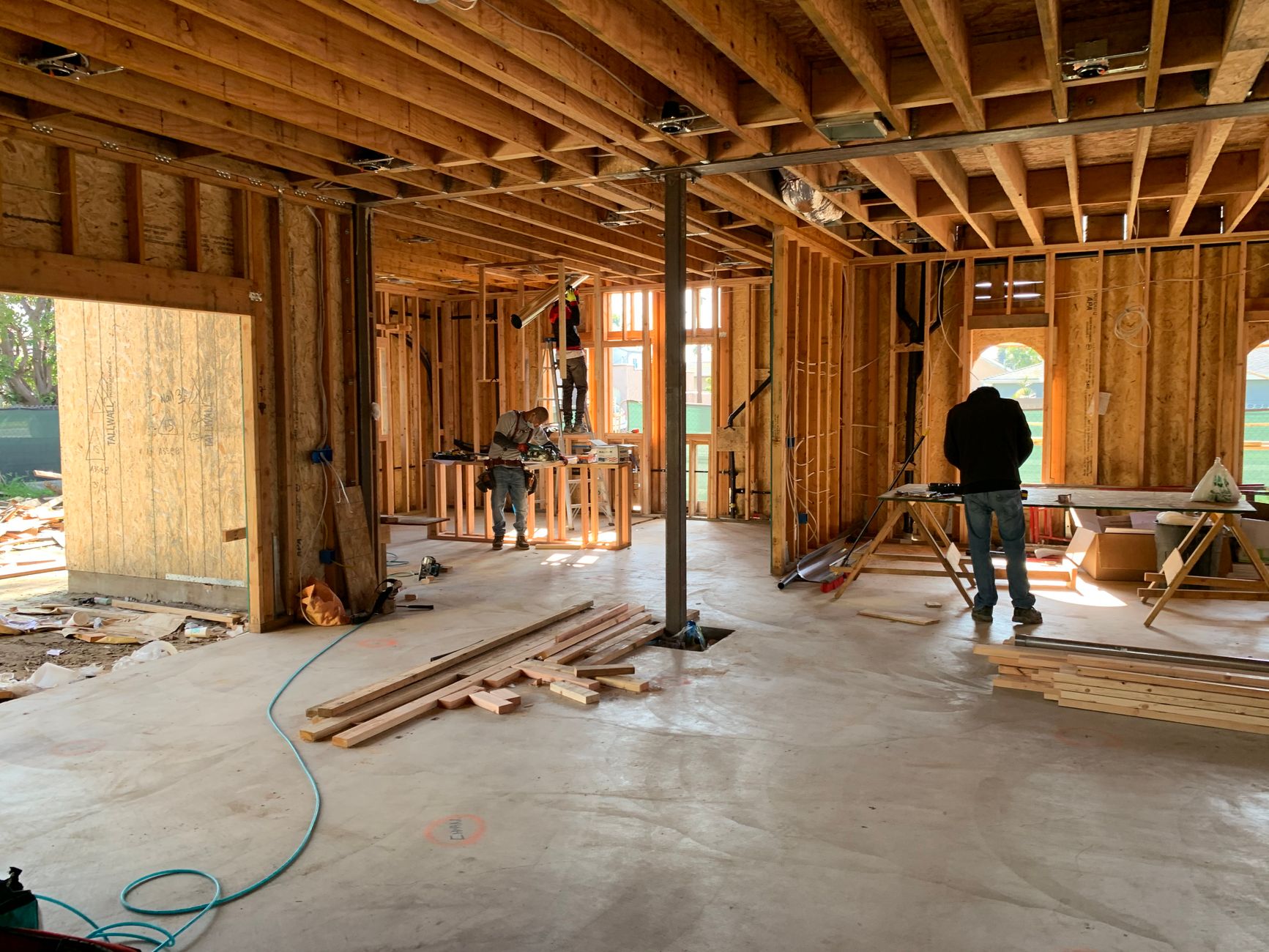
Near elimination of strenuous drilling hours
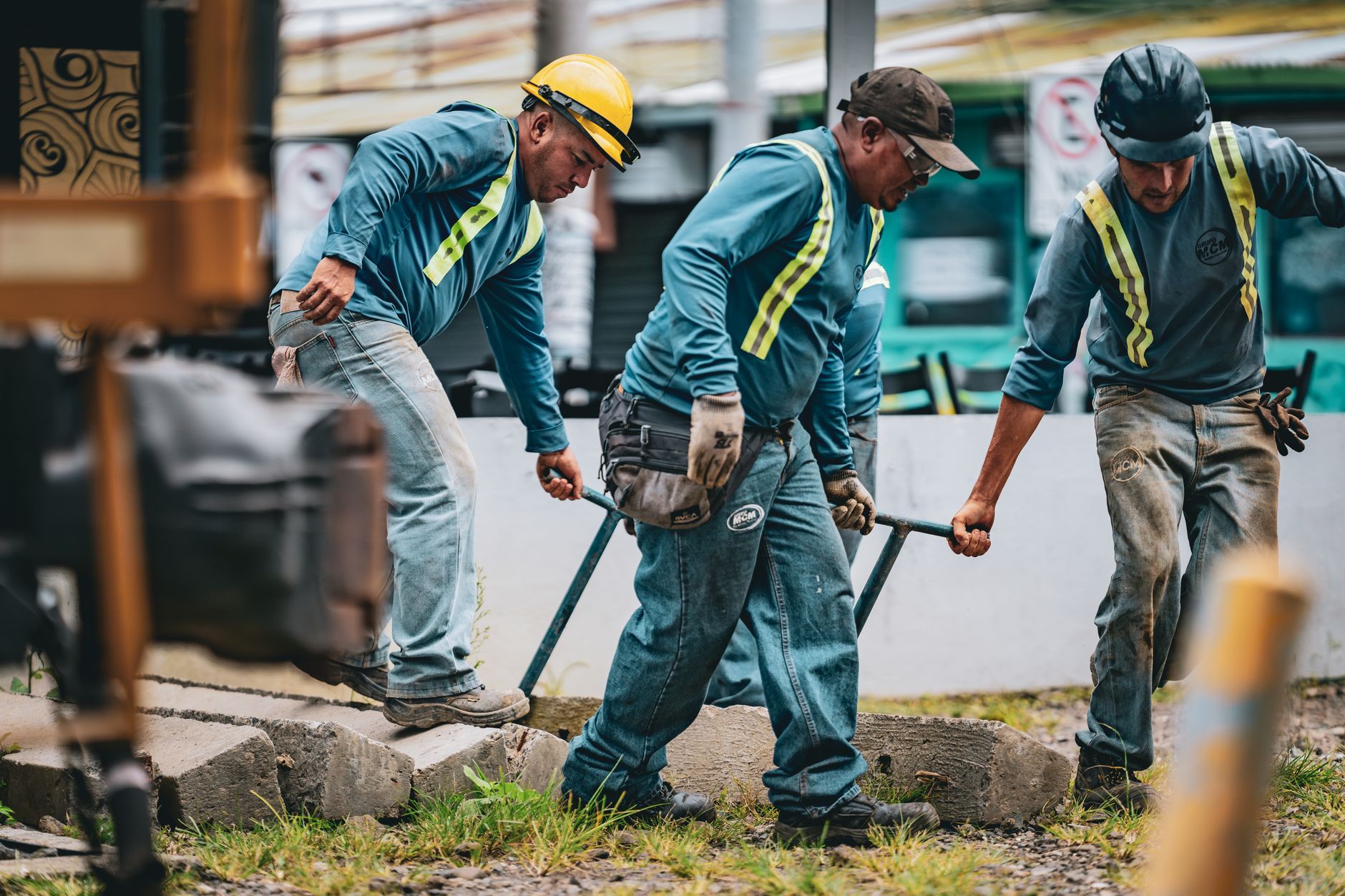
Published comparative research on this deployment reports a 10% reduction in overall drilling and installation time versus the all-manual half of the project. Muscle strain work hours tied to overhead drilling fell 98% where the robotic system ran.
Rework on the task dropped from about 5% to about 3%. The later ten-robot construction review also notes drilling accuracy gains near 50% and schedule compression when multiple trades share one robotic pass instead of three separate drilling crews.
What general contractors can take from the split-site trial

Service Robot Co. did not run this multitrade program. We highlight peer reviewed field comparisons so US contractors can judge inspection and drilling robot rental paths before they buy.
The pattern matches our vendor neutral integrator role: select the right semi-autonomous drilling platform, finance through lease or monthly programs, align BIM with the trades, train operators, and keep the fleet supported through a nationwide network of regional service engineers. A robot pilot program on one zone can document strain and cycle time before you roll across an entire slab.