
a 1.1-million-square-foot U.S. fulfillment center handling bulky products
3PL Case Picking Rises to 450-500 Cases per Workstation
See how integrated fulfillment robots raised case picking from 40 per person-hour to 450-500 per workstation while cutting labor reliance by 81%.
- 450-500
- cases per robotic workstation
- 40
- cases per person-hour before
- 81%
- less labor reliance
- 24/7
- peak-season design
Based on a documented real-world deployment. Figures are from public reporting; the organization is not named.
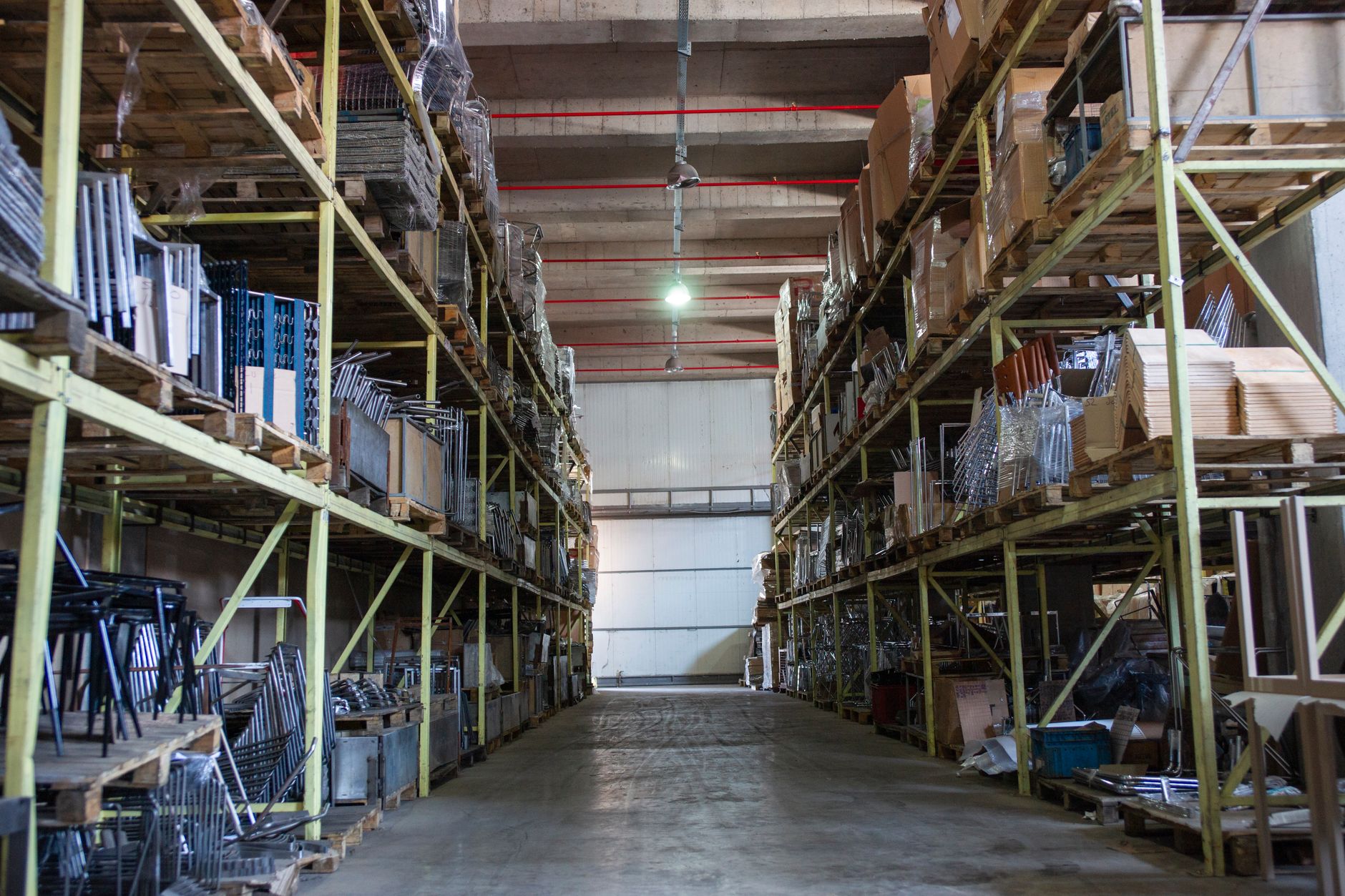
Bulky Goods Strained a Manual Fulfillment Model
Bulky, large-format inventory was consuming valuable warehouse space across a 1.1-million-square-foot operation. Manual e-commerce workflows made that footprint harder to use well, especially when cases had to move through receiving, storage and outbound picking as separate labor-heavy steps.
The pressure sharpened when pandemic-era labor shortages coincided with rising e-commerce volume. The third-party logistics operator needed more storage capacity and higher operating efficiency, but simply adding people was neither dependable nor sufficient for the flow it wanted to build.
- Large products occupied substantial storage space
- Manual case handling tied throughput closely to labor availability
- Rising e-commerce demand intensified an already difficult operating model
- Receiving, pallet building, putaway and picking needed to work as a connected flow
An Integrated Flow From Receiving to Picking
The documented deployment joined robotic arms, sorting equipment, shelf-to-person movement and pallet-to-person movement. Instead of automating an isolated travel lane, the design connected inbound handling, storage and case picking through integrated fulfillment robots.
Case receiving, pallet building and putaway were fully automated. At the outbound end, automated robotic workstations handled case picking, while the wider system was designed for 24/7 operation during peak seasons.
The published account does not specify a phased rollout schedule, training curriculum or service agreement. It says training time was shortened, but gives no measured duration. Those omissions matter when another 3PL assesses an AMR fleet deployment or plans robot deployment and integration on a live floor.
- Coordinate robotic arms, sorting and mobile transport as one operating system
- Automate case receiving before inventory enters storage
- Build pallets and complete putaway without manual handoffs
- Bring shelf and pallet inventory to robotic case-picking workstations

Case Picking Reached 450-500 per Robotic Workstation
Before automation, order case picking ran at 40 cases per person-hour. After deployment, the reported rate reached 450-500 cases per automated robotic workstation. The denominator changed, so this is best read as a process-capacity comparison, not as a direct claim that each worker became a stated multiple more productive.
Labor reliance fell by 81%, while case receiving, pallet building and putaway became fully automated. The source also reports shorter training time, although it does not publish a duration or percentage for that improvement.
The system was designed to run 24/7 during peak demand. That describes intended operating capability, not a published uptime result, and the case provides no separate accuracy, payback or implementation-duration figures.
From a Published Example to a Practical Buying Plan

This is a documented real-world example that Service Robot Co. analyzes. It is not a Service Robot Co. client deployment. Its central lesson is architectural: in bulky-goods fulfillment, the strongest gains can come from connecting inbound automation, storage movement and case picking instead of treating each task as a separate robot purchase.
Service Robot Co. is a full-service, OEM-neutral commercial robot integrator for U.S. businesses. We select the robot that fits the floor across manufacturers, then finance, deploy, integrate, train and service every unit through a nationwide U.S. engineer network. A single vendor remains accountable across the lifecycle.
For buyers comparing warehouse robot leasing, autonomous mobile robot leasing, robot leasing for business and outright purchase, that accountability keeps the commercial structure tied to the operating design. Monthly payment programs and leasing can be evaluated alongside integration, training and maintenance rather than as detached equipment quotes.
A free site assessment can map bulky SKU profiles, inbound touches, pallet paths, pick faces and software interfaces before a robot pilot program begins. From there, a phased deployment no shutdown plan can test the hardest workflow first, define go live support and establish the robot maintenance service plan before fleet expansion.