a large combined construction-and-commercial waste facility in Finland
How a Finnish C&D Plant Reached a 71.8% Recovery Rate With AI Sorting
A combined construction and commercial waste facility in Finland used twelve AI sorting arms for up to 24,000 picks per hour and reported a 71.8% recycling rate early on.
- 71.8%
- Recovery rate
- 24k/hr
- Robot picks
- 12
- Sorting arms
- 30 kg
- Max pick
Based on a documented real-world deployment. Figures are from public reporting; the organization is not named.
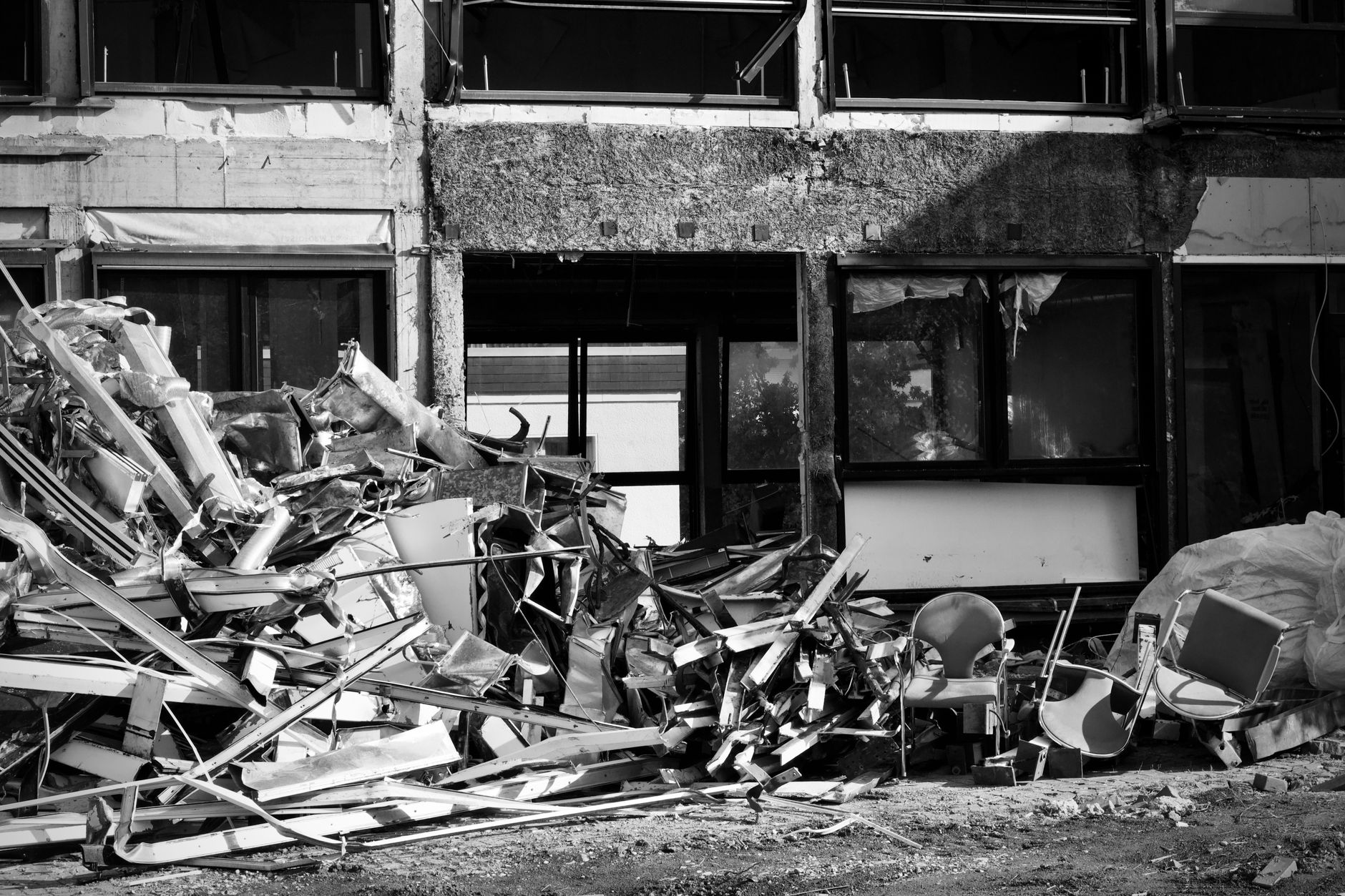
National capacity gap for mixed construction waste
Finland lacked enough domestic sorting capacity for mixed construction and commercial waste, so material often left the country for processing. The operator needed a single mega facility near the capital region that could absorb large annual tonnages without relying on export.
Law also pushes customers toward at least a seventy percent recycling rate, which is hard to hit when streams stay mixed and manual sorting cannot keep pace with belt speed.
- Combined construction and commercial lines on one site
- Annual design capacity of 120,000 tonnes construction waste and 60,000 tonnes commercial waste
- Heavy fractions that are unsafe to lift by hand at line speed
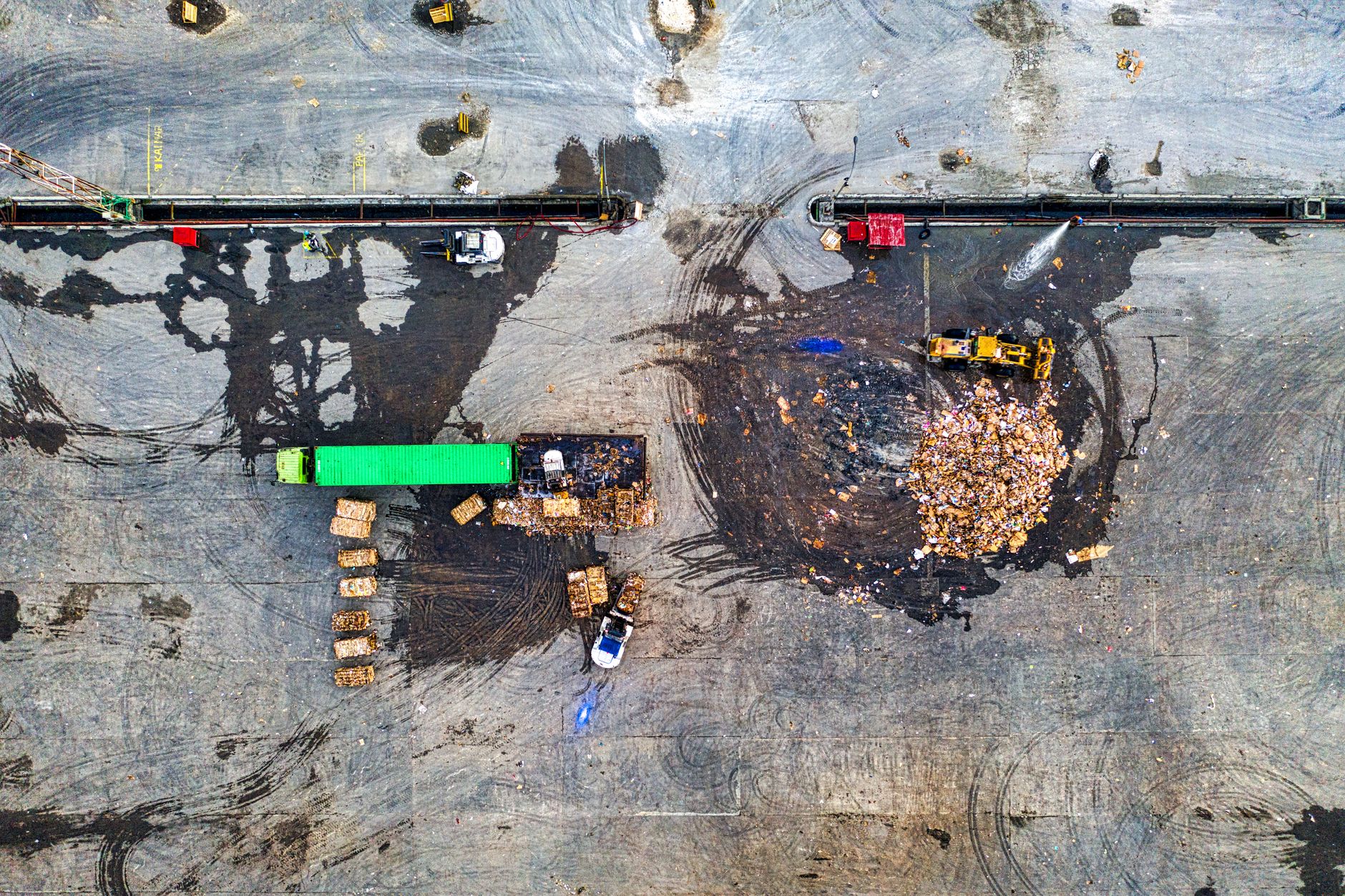
Twelve AI arms on a shared recovery line
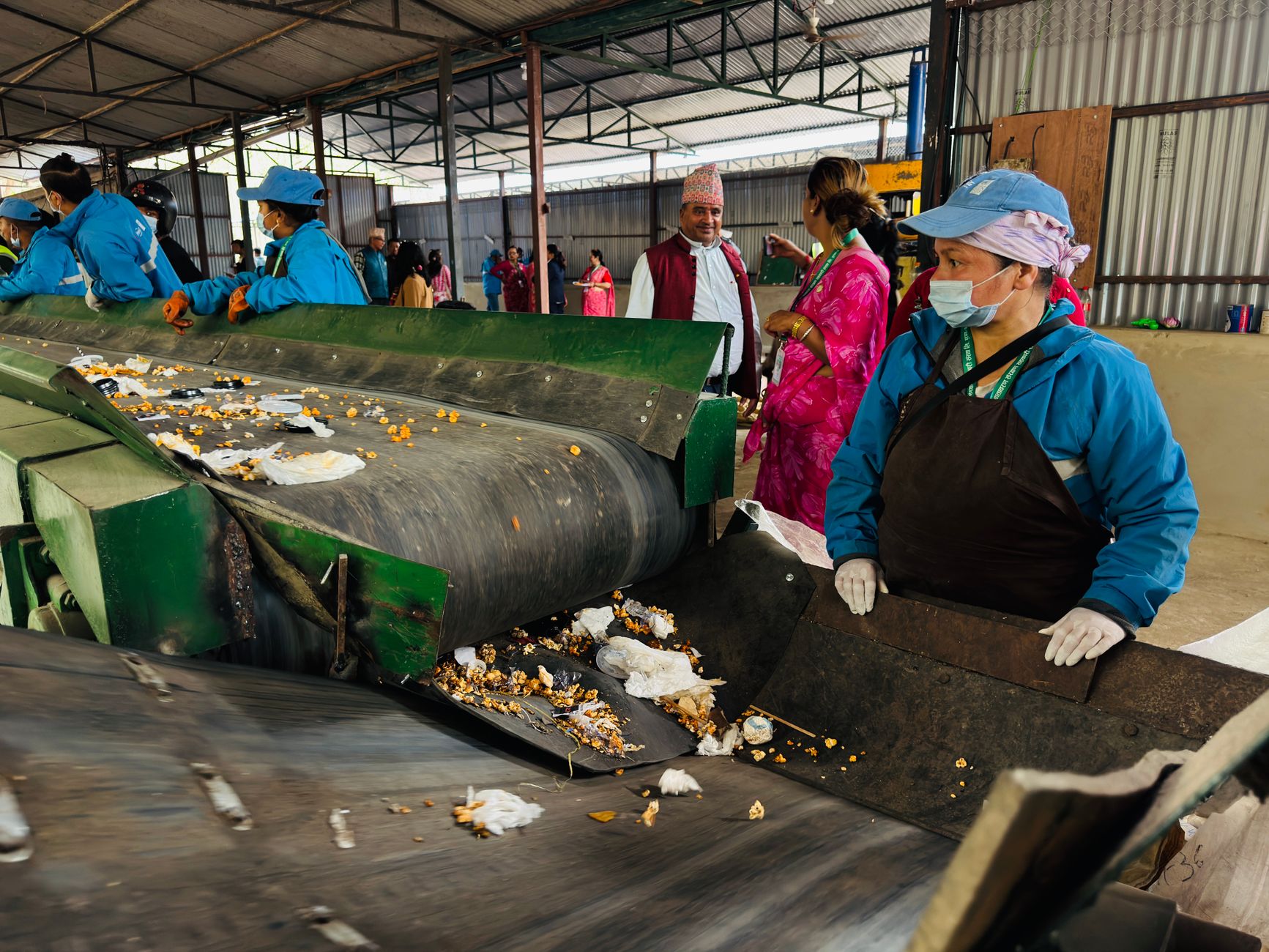
Engineering partners built a materials recovery layout while a robotics supplier installed twelve heavy-pick sorting arms trained to recognize wood, metals, stone, and plastics from four waste types. The arms can be taught additional fractions as markets change.
Each arm handles objects up to thirty kilograms, work that is neither safe nor feasible for humans at the reported belt rates. Together the fleet performs up to 24,000 picks per hour, doing the repetitive lifting and classification that manual crews cannot sustain.
- Pair construction demolition and commercial industrial streams in one plant
- Deploy twelve trainable sorting arms on the recovery line
- Target fractions that feed high quality resale to regional manufacturers
Early recovery beats the legal floor
After the first months of operation the plant reported a 71.8 percent recycling rate, above the seventy percent minimum its customers must meet under Finnish rules.
The site is described as covering more than thirty percent of waste recycling needs in the Helsinki capital region, reducing export and shortening haul distances. Recovered paper, metal, and plastic feed Finnish and European industry as substitutes for virgin inputs.
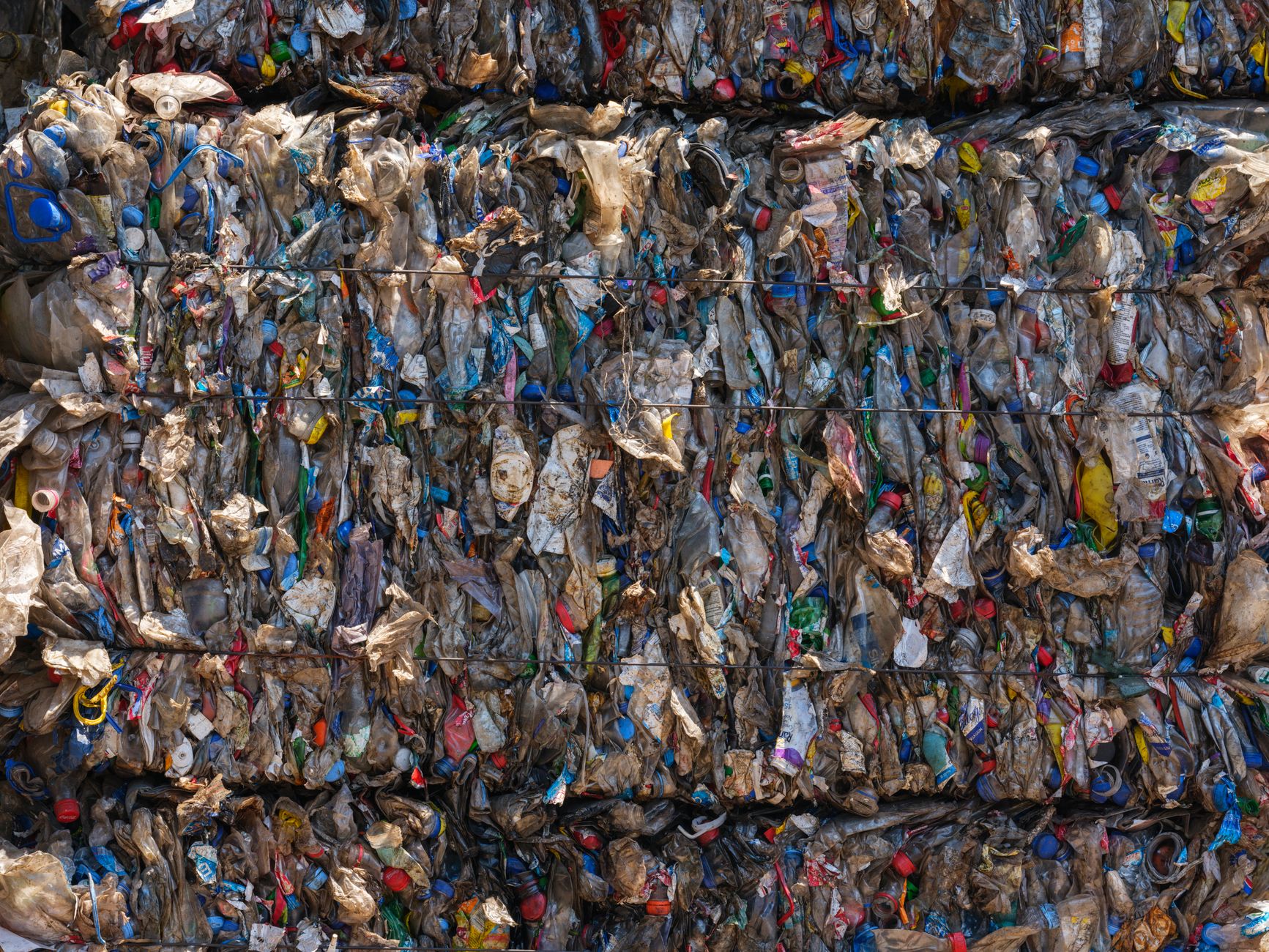
Lessons for US waste and recycling operators
This is a documented real-world example, not a Service Robot Co. deployment. It shows why material recovery facilities look at AI sorting robots when export dependence and manual pick limits cap recovery rates.
Service Robot Co. is a vendor-neutral integrator that selects sorting, material handling, and support automation across manufacturers, then finances, deploys, integrates, trains, and services units through a nationwide engineer network.
A phased robot pilot on one belt can prove pick rates and recovery before you expand sorting capacity across a region.