
a third-party logistics provider operating a high-volume fulfillment center in Ontario, California
How a California 3PL Raised Warehouse Productivity 160% With AMRs
A Southern California 3PL reported a 160% productivity gain after integrating heterogeneous AMRs with its WMS through middleware, cutting rollout time from months to weeks.
- 160%
- Productivity
- 2 wks
- Last rollout
- 6 mo+
- First rollout
- 10 UPH
- KPI lift
Based on a documented real-world deployment. Figures are from public reporting; the organization is not named.
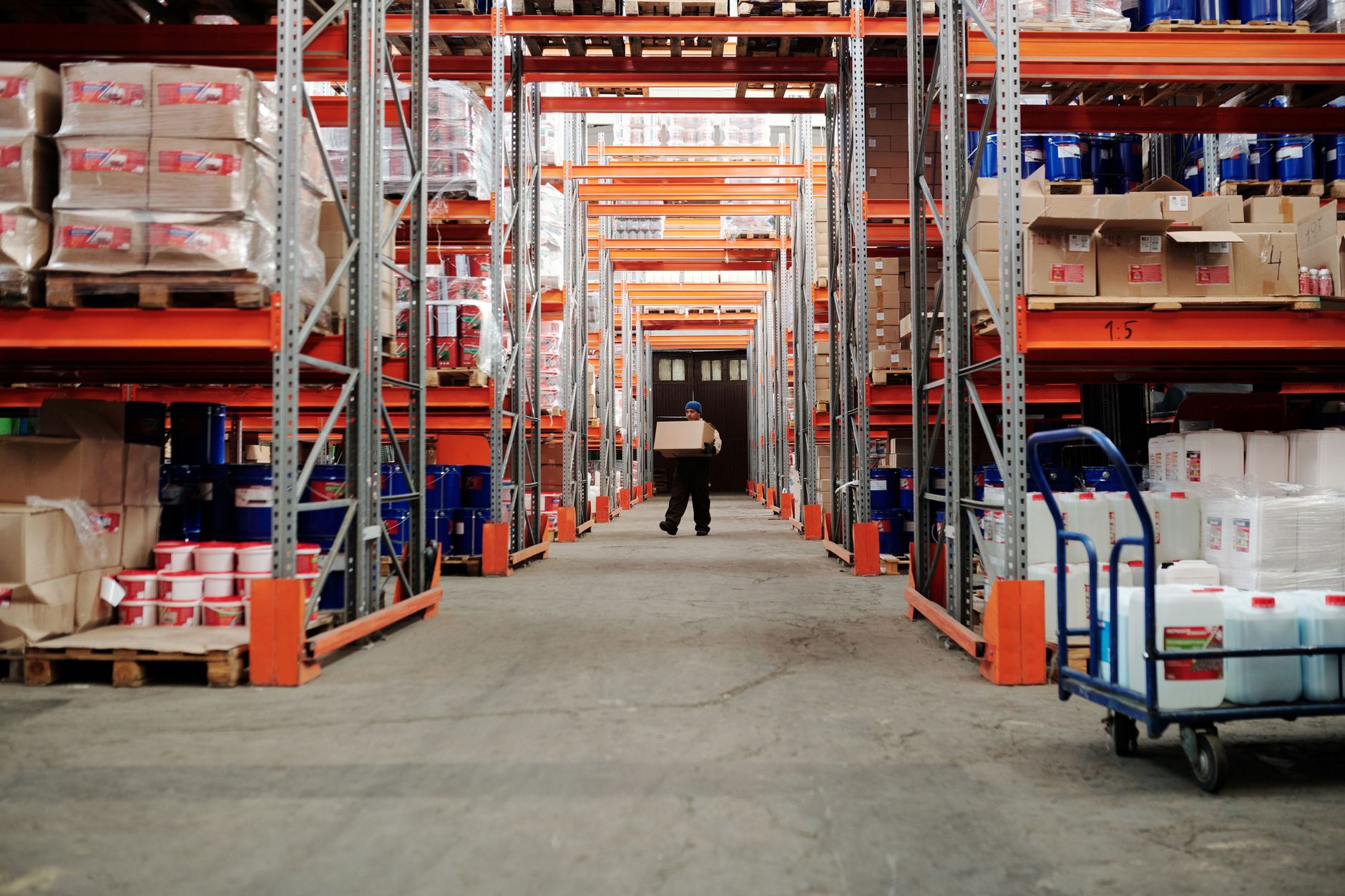
Peak volume without enough pickers
A third-party logistics provider operating a high-volume fulfillment center in Ontario, California needed to move more units during peak without hiring an oversized permanent roster. Associates spent long shifts walking aisles while the warehouse management system already held the order data.
Leadership wanted AMRs from more than one vendor, but custom WMS integrations had taken over six months on the first attempt and carried ongoing maintenance risk for IT.
- Rising piece-pick demand during seasonal peaks
- Long travel time between picks
- Slow, brittle WMS-to-robot integrations
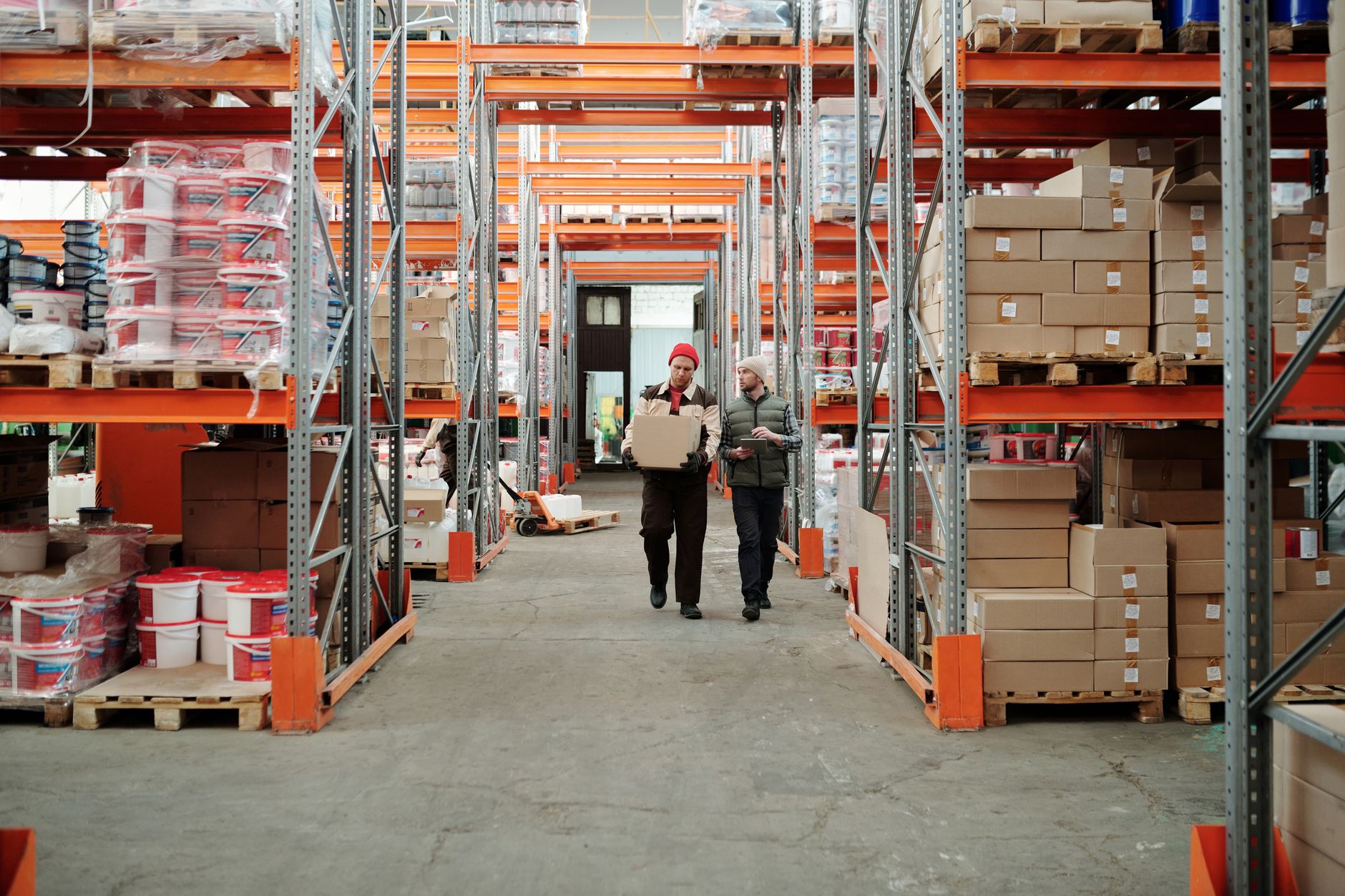
Heterogeneous AMRs on a reusable integration layer
The operator deployed autonomous mobile robots from two vendors and connected them to its Aspire warehouse management system through a middleware platform with pre-built integrations, according to 2024 industry reporting.
Technology leaders said the most recent rollout completed in weeks instead of the six-plus months their in-house API project required. Floor supervisors tracked picking rates per associate hour after go-live.
- Map pick paths and staging zones with operations leads
- Connect both AMR fleets to the existing WMS
- Train associates on handoff cues at each pick stop
- Monitor units per hour and downtime alerts daily
Documented floor performance
General managers quoted in the reporting described about a 160% gain in productivity at the Ontario facility after the AMRs were integrated.
Supervisors cited KPI improvements of roughly ten units per hour per associate, which compounded across shifts and headcount. Integration partners also highlighted faster deployment and automated alerting as operational wins.

Lessons for multi-vendor AMR rollouts
The case shows how middleware can shorten time-to-value when you already run a mature WMS and need robots from more than one supplier. Service Robot Co. helps US businesses select OEM-neutral AMRs, then finance, deploy, integrate, train, and service them through a nationwide engineer network.
We did not run this Ontario program. Your site should still pilot one aisle or client lane, prove units per hour, then scale fleet size once IT and floor staff trust the handoffs.