a commercial vineyard operation in Northern California
How a Northern California Vineyard Saved $24,000 in One Season With an Autonomous Tractor
One autonomous tractor logged 1,548 tracked hours at a Northern California vineyard, saved $24,000 in a season, and beat the farm's best operator on in-field time by 11%.
- $24K
- Season savings
- 1,548
- Autonomous hrs
- 11%
- More field time
- ~50%
- Wage equiv. cut
Based on a documented real-world deployment. Figures are from public reporting; the organization is not named.
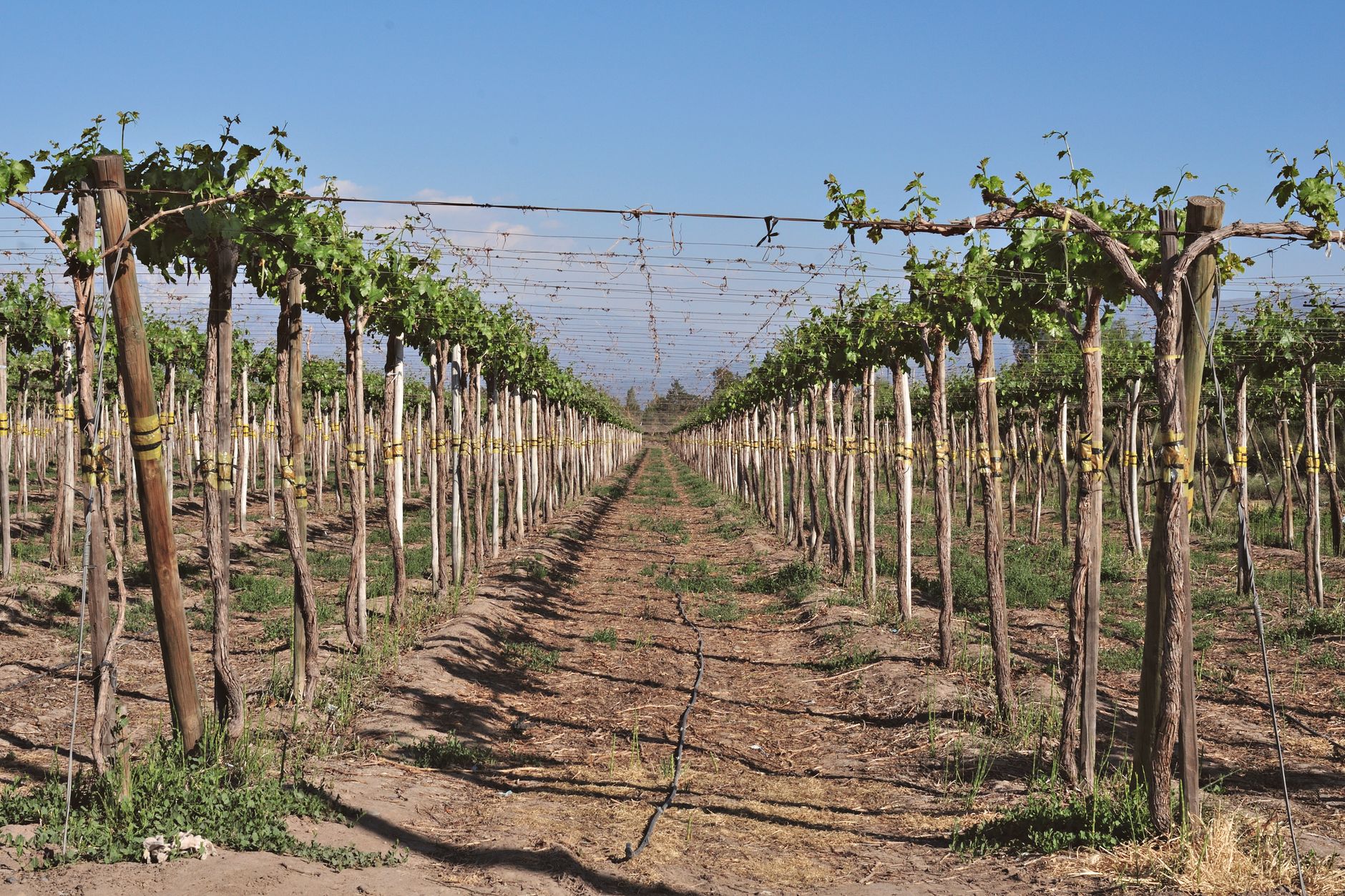
Labor and pass consistency under pressure
A commercial vineyard operation in Northern California runs tight windows for mowing, spraying prep, and between-row work where skilled tractor drivers set the pace for the whole ranch. Seasonal peaks and weather shifts make it hard to keep every pass aligned when crews rotate or overtime stacks up.
Leadership wanted proof that an autonomous tractor could hold row quality without tying up their strongest operator on repeat loops, and they needed independently tracked hours rather than anecdotal fuel slips.
- Peak-season driver bottlenecks
- Pass-to-pass consistency
- Need for verified hour logs
Tracked autonomy on one machine
The grower ran a single autonomous tractor through a full season while an independent telematics platform recorded every hour, movement, and job. That audit trail let managers compare machine time against their best human operator on the same fields rather than blended fleet averages.
Operators kept oversight on setup and safety while the tractor handled long in-field loops with the key on autonomy for routine passes. Fuel and wage equivalents were reviewed using the same tracked dataset at season close.
- Single-tractor season trial
- Independent hour validation
- Side-by-side operator benchmark
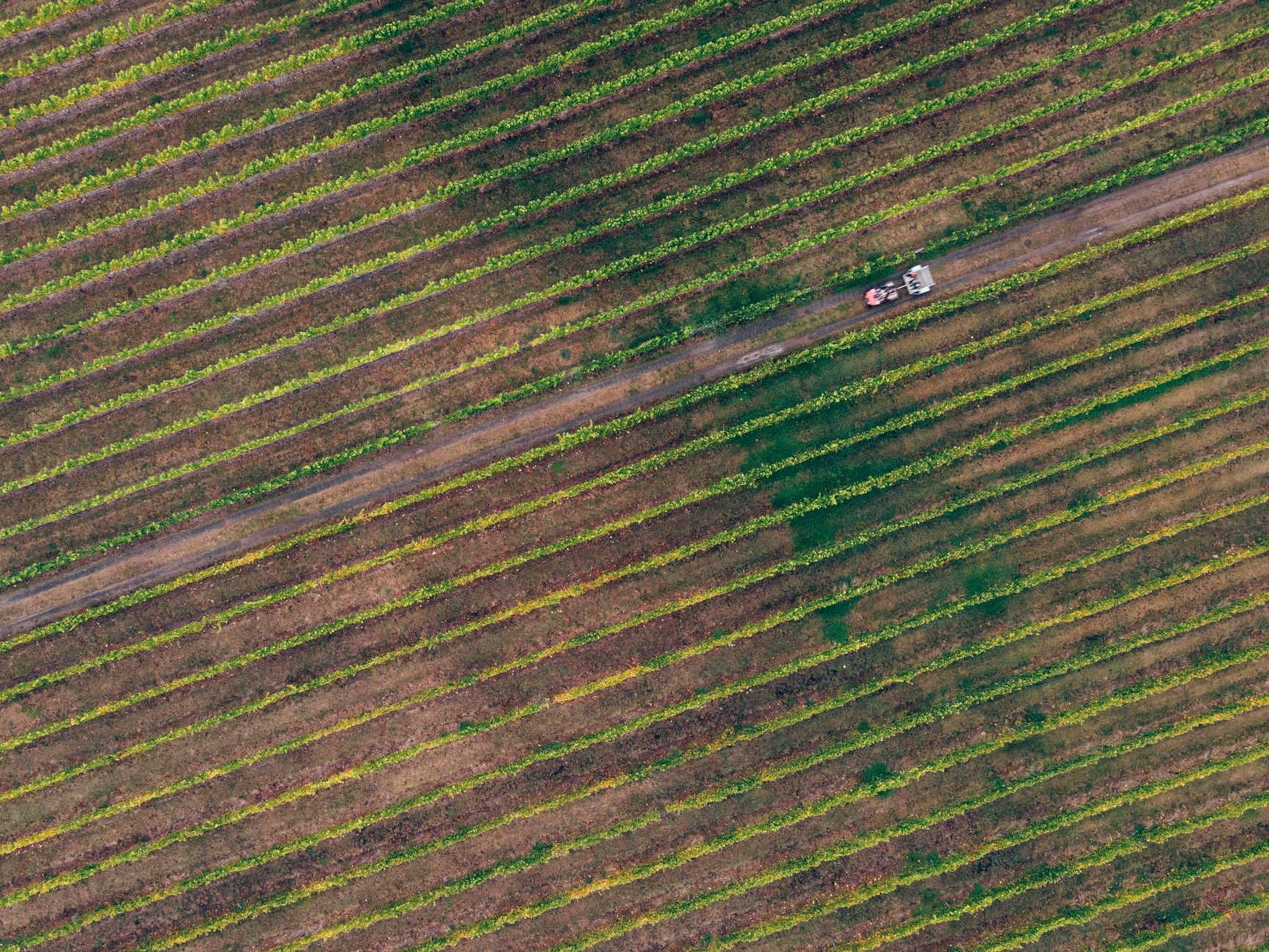
Measured season outcomes
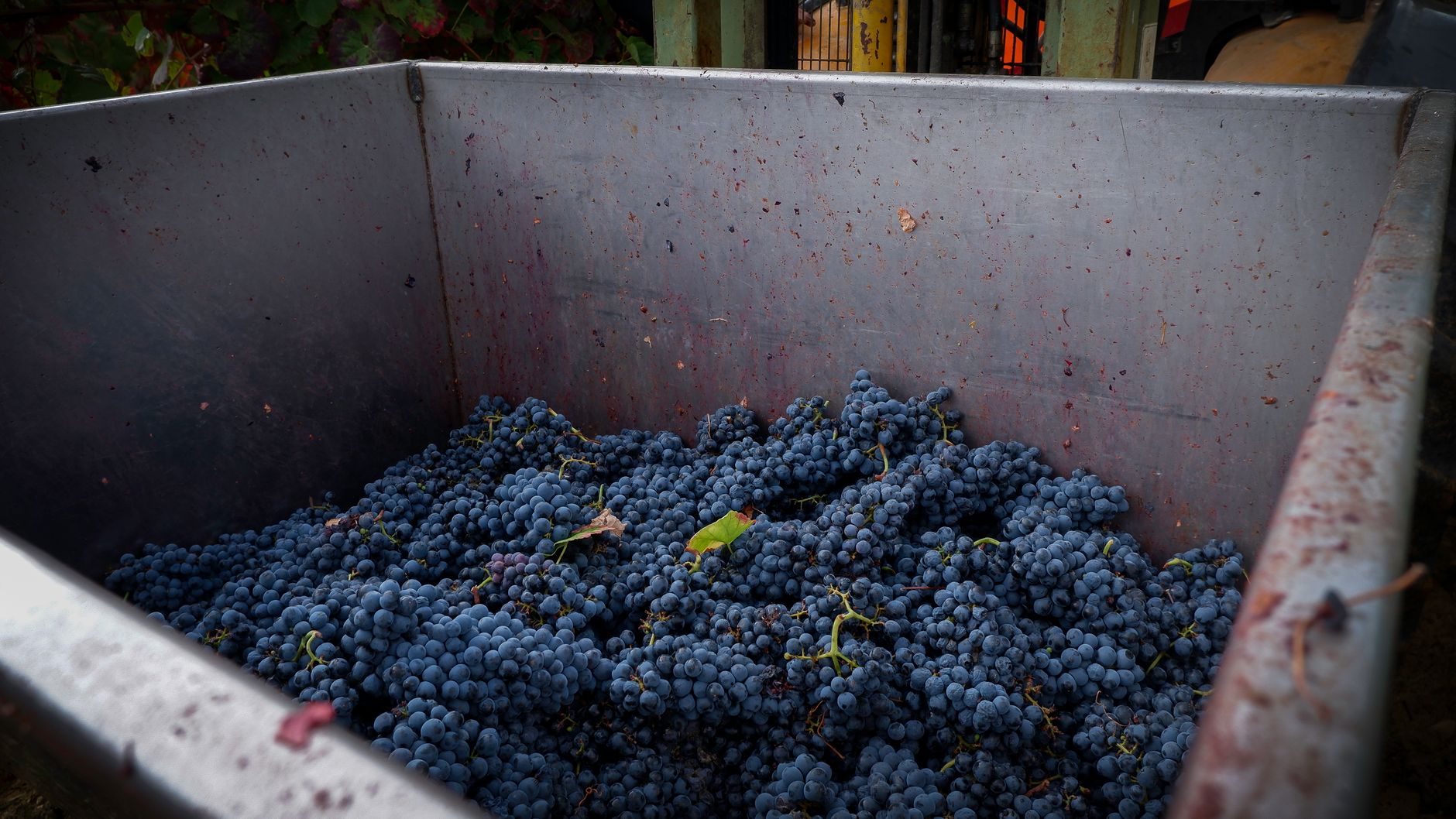
The machine accumulated 1,548 independently tracked autonomous hours on that one tractor during the season. Validated totals showed $24,000 saved for the year on that unit alone.
Versus the farm's best operator, the tractor delivered 11 percent more productive in-field time. That gap represented 189 hours of recovered work time in the season, worth $5,693 in unproductive time avoided at their internal rates. The equivalent hourly wage attributed to the work fell from $30.12 to $15.70 per hour, a nearly 50 percent reduction on that conservative basis.
What US growers can take from it
Viticulture is not the only sector where row crops, orchards, and large campuses fight for tractor hours. The lesson is that verified telematics turns autonomy from a demo into a staffing and capacity decision you can finance.
Service Robot Co. did not deploy this vineyard tractor. We are a vendor neutral integrator for US businesses that need autonomous field, floor, and logistics robots with lease, rental, or purchase paths, site mapping, training, and nationwide service dispatch on one contract. Month to month robot leasing and robot financing for small business programs can mirror this kind of phased proof before you scale fleet wide.