
a public high school in coastal Northern California with primary lawns and athletic turf
How a California High School Cut Weekly Mowing Labor About 80% With One Robot
A coastal California high school cut peak-season mowing from about 30 staff hours a week to six with a GPS-guided autonomous mower, freeing grounds crews for detailing work.
- 26-30
- peak weekly mowing hrs before
- 6 hrs
- weekly oversight after
- 1 day
- GPS zone mapping setup
- 2-3
- staff tied up at peak before
Based on a documented real-world deployment. Figures are from public reporting; the organization is not named.

Peak-season mowing collided with classes and athletics
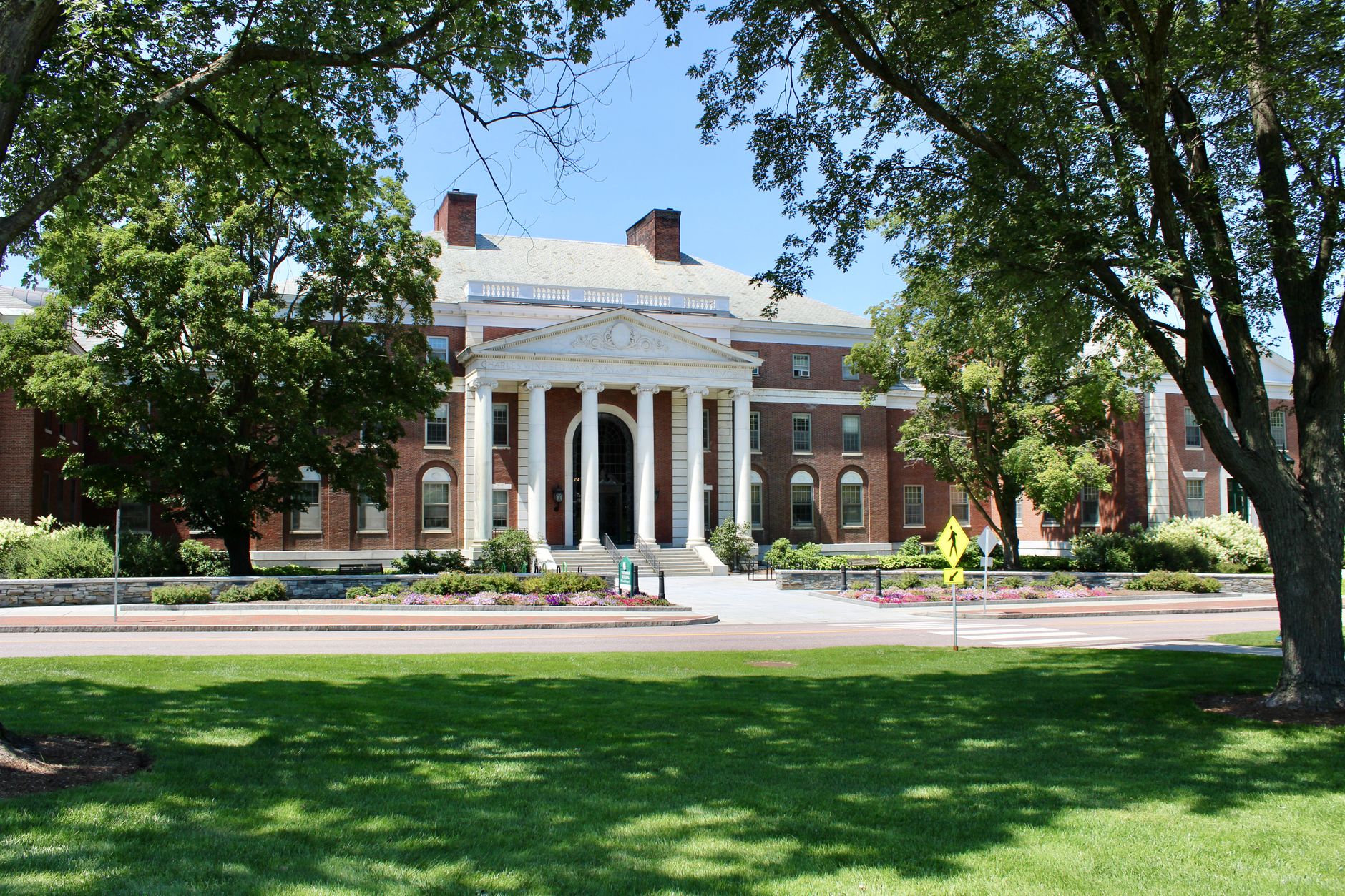
Grounds maintenance at a public high school in coastal Northern California spans primary lawns and athletic turf that stay busy from the first bell through after-school practice. During peak growing season, keeping those areas presentable often pulled two to three workers onto loud gas mowers in the middle of the school day.
That schedule created friction with classes, testing windows, and field use. Crews rushed cycles when calendars tightened, which showed up as uneven cuts and constant noise complaints near classrooms.
- Manual mowing competed with instruction and athletics on the same turf calendar
- Gas equipment added exhaust and noise during school hours
- Inconsistent cut quality when crews could not finish full zones on time
Wire-free GPS zones and quiet daytime mowing
The district piloted one commercial autonomous lawn mower that maps work zones through a mobile app instead of buried perimeter wire. An integration team outlined the first zone on the main front lawn, roughly 1.2 acres, and finished mapping in a single afternoon without trenching or infrastructure work.
Mowing ran during school hours because the unit operates on battery power at noise levels well below conventional commercial mowers. Coaches and facilities staff could pause or reschedule zones from the app when practice fields needed to stay clear.
- RTK-guided paths for repeatable coverage on lawns and athletic margins
- Layered obstacle detection with automatic stop and reroute when people or objects enter the path
- Swappable batteries supporting multi-hour daily runtime with human oversight for charging and exceptions
Measured labor shifted from riding mowers to skilled grounds work

Published deployment data estimates peak-season mowing had consumed about 26 to 30 staff hours each week when crews handled cuts manually. After the autonomous unit took routine passes, that workload fell to roughly six hours weekly for oversight and battery management.
The same reporting describes steadier cut quality because paths no longer depended on whoever had time left at the end of a shift. Grounds workers who previously spent most of their day on mowers moved into landscape detailing, irrigation upkeep, hardscape maintenance, and seasonal planting while headcount stayed intact.
Fuel purchases for the mowed areas stopped, and maintenance spend on gas mowing equipment dropped for those zones, according to the district's published summary of operating costs.
What this means for K-12 facilities leaders comparing outdoor robots

This is a documented real-world deployment, not a Service Robot Co. customer account. It still shows why districts measure campus robot programs in hours returned before they debate headcount.
Service Robot Co. is an OEM-neutral integrator for US businesses and public institutions evaluating outdoor service robots. We help facilities teams compare autonomous mowers on turf size, slope, safety sensors, and charging workflows, then handle financing, deployment, training, and nationwide service so one partner owns the full lifecycle.
For schools weighing robot leasing for business-style grounds fleets or a phased pilot on one athletic block, the decision hinge is whether quiet daytime mowing can free skilled staff without fighting the academic calendar.