
an acute-care hospital in the San Francisco Bay Area running a single mobile robot dedicated to supplies logistics
How a California Hospital Supplies Robot Logged 2,574 Autonomous Miles in One Year
A Bay Area hospital supplies robot traveled 2,574 documented miles in one award year, proof that single-department AMRs can absorb corridor workload.
- 2,574
- Supplies robot miles
- #2
- Single-robot mileage rank
- 12 mo
- Award window
- Supplies
- Department owner
Based on a documented real-world deployment. Figures are from public reporting; the organization is not named.
Materials staff were walking the campus dry
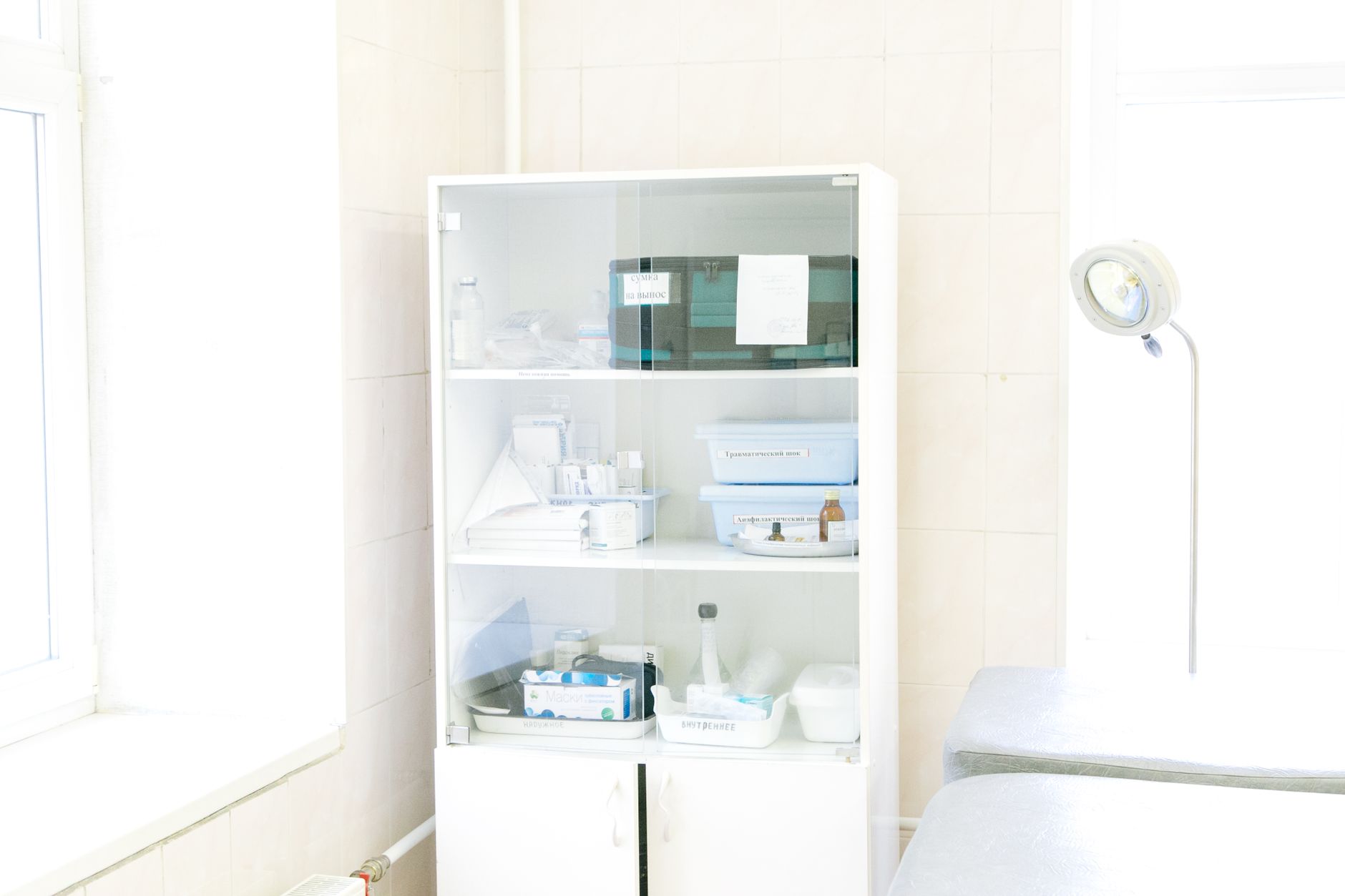
An acute-care hospital in the San Francisco Bay Area pushes central supply, PAR levels, and OR prep carts across a spread-out campus. Porters logged endless connector miles while nurses waited on basics that sat one tower away.
Hiring could not keep every shift fully staffed for cart runs. Leadership wanted one department to own a robot queue instead of borrowing porters from environmental services whenever volume spiked.
- Long indoor routes between supply core and units
- Competing elevator traffic from dietary and pharmacy
- Turnover in materials and central supply roles
One robot, supplies department queue
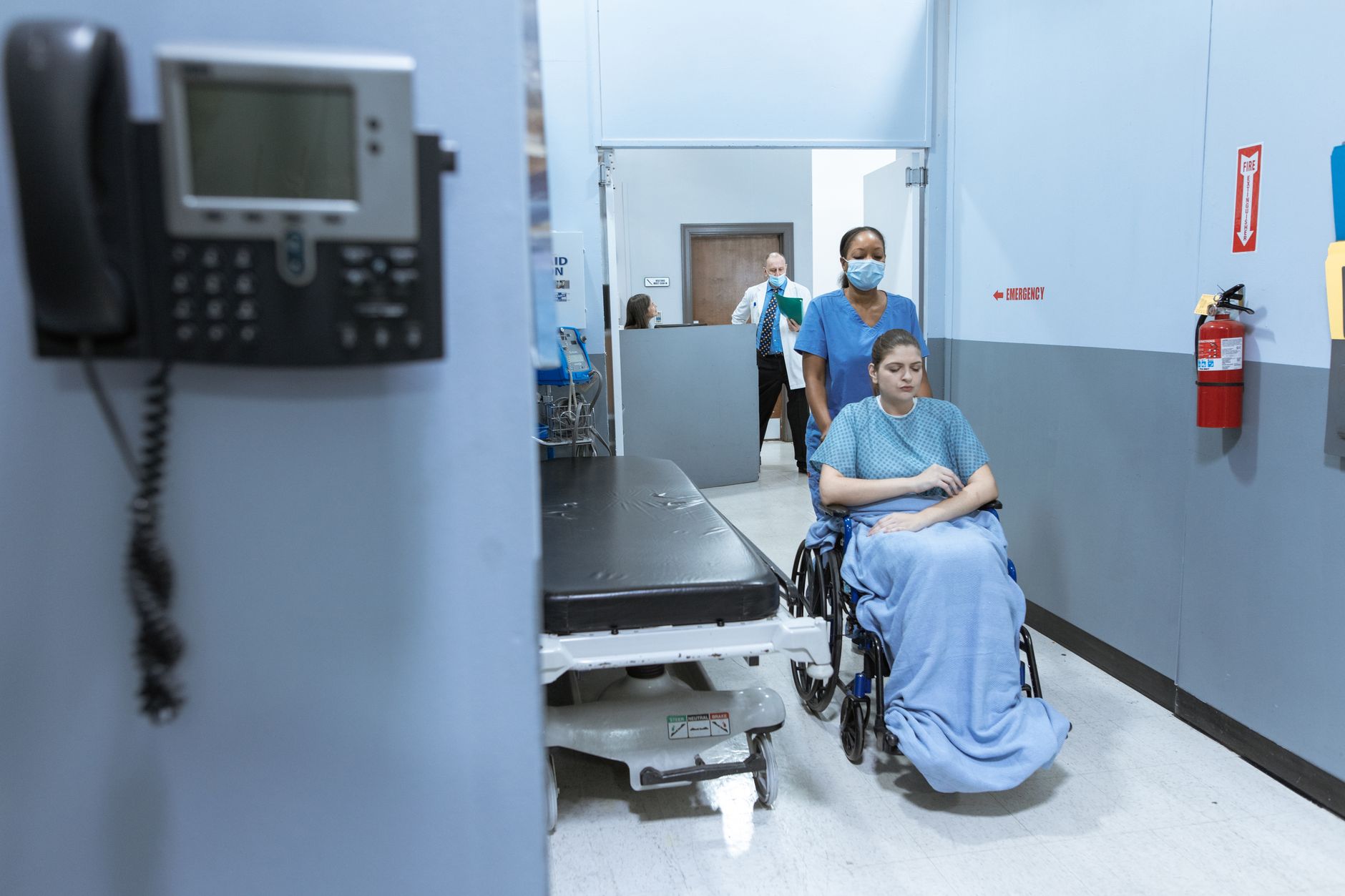
The hospital dedicated a single mobile tug to the supplies category rather than diluting it across shared pools on day one. Supervisors queued runs while the unit towed loaded carts on mapped routes with trained handoffs at unit doors.
Utilization was tracked through the June 2023 through May 2024 award window used for national hospital mobile robot scorekeeping.
- Name supplies as the robot owner from the start
- Map elevators and sterile corridor rules before peak season
- Review mileage monthly against census and surgical volume
Mileage ranked second among single-robot winners
In that twelve-month period the supplies robot logged 2,574 documented miles. That total placed second nationally in the single-robot mileage category, behind a laboratory winner at 2,755 miles and ahead of pharmacy and dietary leaders in the same scorecard.
The figure shows sustained daily corridor use, not a short trial. It gives materials leaders a concrete benchmark when they compare hospital delivery robot rental or owned fleets for one department at a time.

Why mileage matters for supplies leaders
Service Robot Co. helps hospitals model supplies-only pilots before they merge queues with linen or pharmacy. We stay vendor neutral, offer monthly programs when that fits capital planning, and deploy with mapping, training, and nationwide maintenance included.
A verified 2,574 mile year is a stress test for elevators, cart weights, and supervisor discipline. Start with a free site assessment on your busiest supply loop, then expand only when mileage and handoff quality stay stable.