a California third-party logistics operator fulfilling footwear for retail replenishment from a forty-thousand-square-foot pick module
How a California Shoe 3PL Tripled Pick Rates and Cut Mispicks 90% With AMRs
A footwear replenishment 3PL raised in-aisle picking from 25 to 85 units per hour, hit 72 UPH end to end, and cut mispicks about 90% with ten collaborative AMRs.
- 3x
- In-aisle pick rate
- 85 UPH
- In-aisle peak
- 90%
- Fewer mispicks
- 50%
- Less aisle walking
Based on a documented real-world deployment. Figures are from public reporting; the organization is not named.
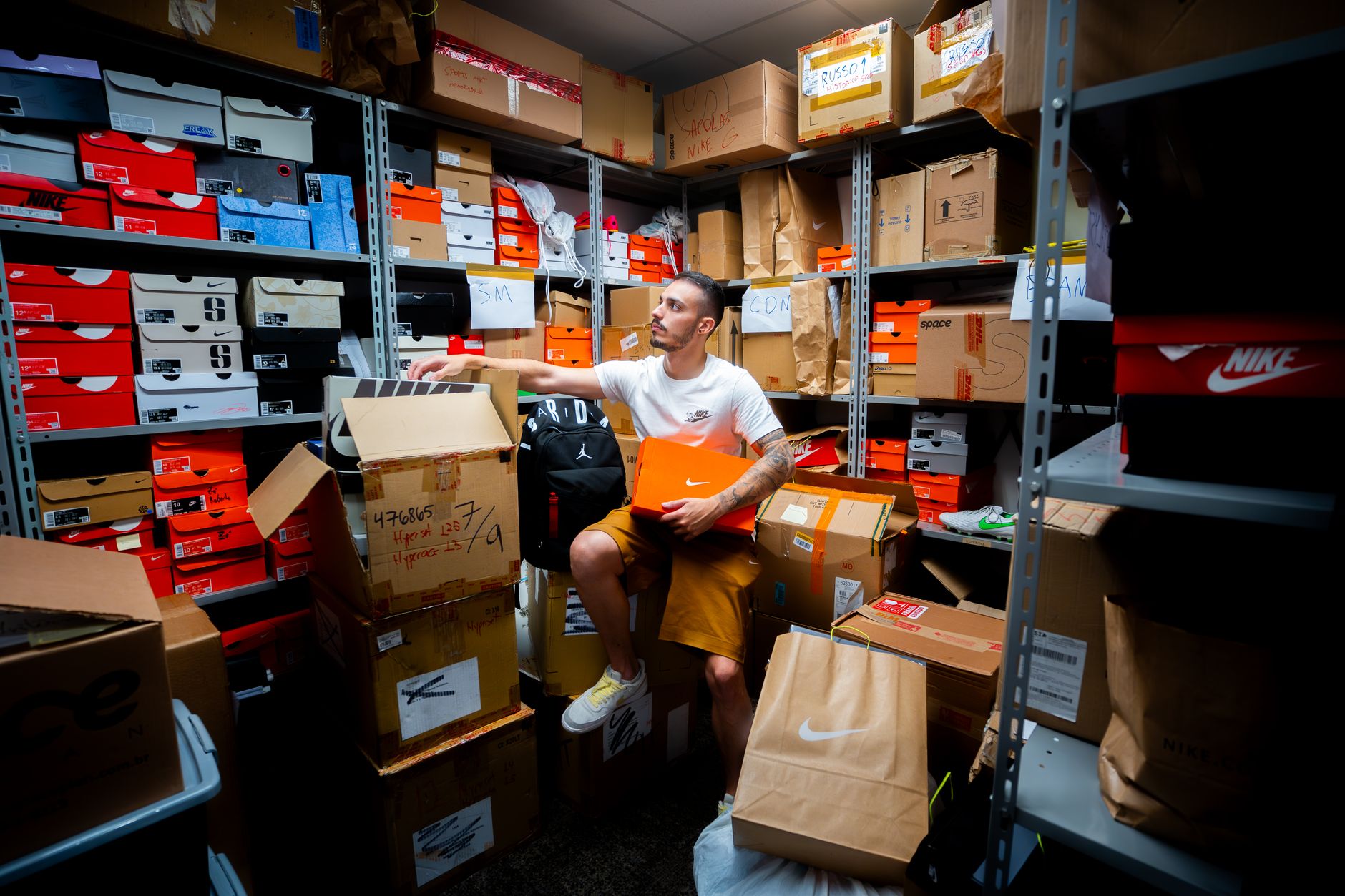
Bulk pick and resort steps throttled shoe replenishment
The operator runs wholesale, retail, and e-commerce fulfillment for major fashion brands from a network that grew to more than a million square feet. One forty-thousand-square-foot module with about thirty thousand SKUs focuses on shoe replenishment for stores, where accuracy and speed both matter.
The legacy workflow leaned on bulk pick, resorting, and re-segregating at packout before orders reached store-ready cartons. Leadership pegged throughput near twenty-five units per hour pick to ship, with pickers walking long paths while toting cartons between steps.
Fixed automation quotes pointed to year-long installs and capital levels the team was not ready to swallow. They needed flexible warehouse robot rental economics, short lead time, and a path that kept the module running while technology landed.
- Twenty-five units per hour pick-to-ship baseline
- Thirty thousand SKUs in the shoe module
- Labor-heavy resort after bulk pick
- Long in-aisle walks between pick faces
Ten collaborative AMRs with hands-free aisle picking
After comparing traditional sortation, the team chose collaborative AMRs that could deploy in about two months instead of a year-long fixed install. Ten units entered the forty-thousand-square-foot pick zone with cartonization logic that pools units and optimizes pick paths before robots meet pickers in the aisle.
Pickers now stay in the aisle, follow a robot to each location, scan hands free on the unit, and confirm shorts at the shelf. When a tote is complete they release it and meet the next robot instead of pushing carts between zones.
Training focused on scan discipline and exception handling. Software allocated cartons by path so the fleet cut walking before pickers touched the first shoe box.
- Map pick paths and carton rules in WMS feeds
- Deploy ten AMRs in the dedicated shoe module
- Train hands-free scanning on the robot console
- Keep pickers stationed in aisle while robots travel
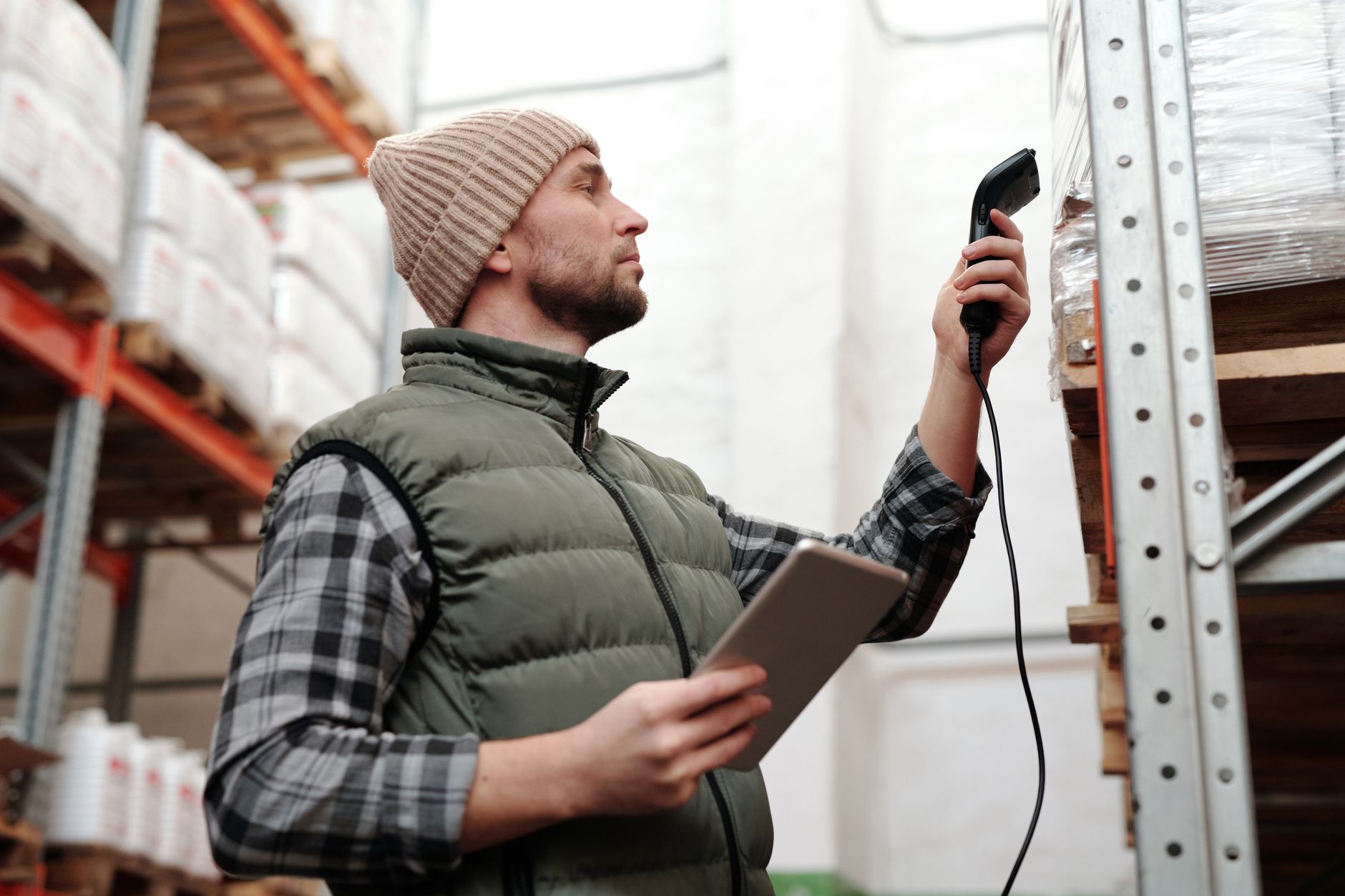
Triple the in-aisle rate with far fewer errors
Within three months the module more than tripled processing speed. In-aisle picking climbed from twenty-five to eighty-five units per hour while the full pick-to-ship path reached seventy-two units per hour.
Mispicks fell about ninety percent once scanning moved onto the robot and pickers verified shortages at the shelf. Pick path optimization cut in-aisle walking roughly fifty percent, which mattered on a floor built for fashion cartons rather than short loops.
Leadership reported payback near five months on the fleet, with morale gains as associates stopped wrestling carts through crowded aisles. The pattern now scales to other modules without reopening a multi-year automation debate.
What footwear 3PLs can copy from this deployment
Service Robot Co. is a full-service, OEM-neutral commercial robot integrator for US businesses. We shortlist autonomous mobile robots across manufacturers, then finance, deploy, integrate, train, and service every unit through a nationwide engineer network. One vendor covers assessment through spare coverage.
Shoe replenishment punishes you twice when pick paths sprawl and resort steps multiply touches. Month to month AMR rental or a structured pilot program lets you prove twenty-five to eighty-five units per hour style gains in one module before you standardize fleet size.
If your pick-to-ship rate is stuck near twenty-five units per hour with accuracy risk, we can map cartonization, hands-free scan points, and a phased AMR fleet without shutting the building for a fixed sorter install.