
a multi-building campus grounds department that has run robotic mowers since 2018
A Campus Grounds Department's Robotic Mowing Saves About 100 Labor Hours a Year
A multi-building campus grounds department reports about 100 labor hours saved a year from robotic mowing since 2018, redirected to other campus areas.
Deployment at a glance
- About 100
- labor hours a year, per the grounds manager
- 2018
- start of robotic mowing at the 2018 school year
- Multi-site
- multi-building campus where freed hours moved elsewhere
Based on a documented real-world deployment. Figures are from public reporting; the organization is not named.
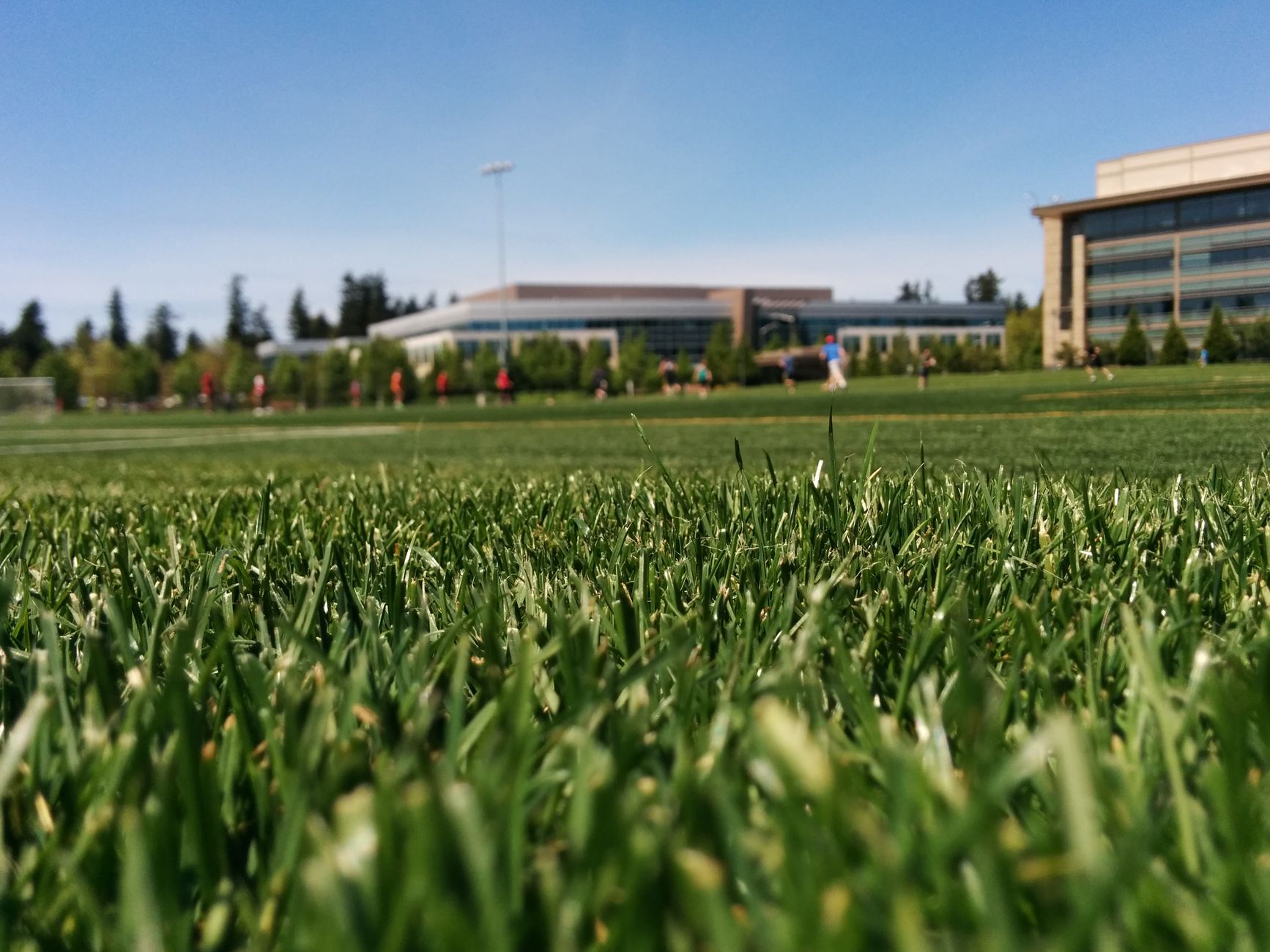
Routine mowing keeps asking for crew hours
A campus is a patchwork of lawns, edges, paths and foundation beds, with buildings close enough that every mowing pass has to work around something. For a multi-building campus grounds department, routine cutting is the task that never clears the board. It recurs through the growing season and competes with every other job the crew is handed.
Every hour a crew spends on routine cutting is an hour not spent elsewhere on campus. That tradeoff made robotic mowing worth a close look, and it is the problem the mowers were brought in to ease.
Robotic mowing starts with the 2018 school year
The department brought robotic mowers onto its grounds at the start of the 2018 school year, handing routine cutting to the machines. The mowers have carried that role since, and the grounds crew has been free to spend its time on the rest of the campus.
The grounds manager's view of the mowers is direct. The hours they free are redirected to other areas of campus, and the manager says the mowers are doing a great job.
- Bring robotic mowers onto the grounds at the start of the 2018 school year
- Hand routine cutting across the campus to the mowers
- Redirect the labor hours they free to other areas of campus
- Keep the mowers in service in the years that follow

About 100 labor hours a year, redirected across campus
According to the grounds manager, robotic mowing saves about 100 labor hours a year. Those hours have been redirected to other areas of campus, so the saving appears as crew time moved to work the mowers do not take on. The figure is one manager's account, and it is the central number in this study.
The scope around that figure is a multi-building campus where robotic mowing has been in use since 2018. The department has kept the mowers in service through the years since, and the grounds manager credits them with doing a great job.
What this means for campus grounds leaders

This study describes another organization's deployment, not one Service Robot Co. ran. What it illustrates is a pattern worth weighing: robotic mowing can return labor hours that routine cutting had been absorbing, and those hours can be pointed at other campus work.
Service Robot Co. offers commercial robot leasing for US businesses as a vendor neutral robot integrator. We select robots across manufacturers, then lease, deploy, train and service each unit through a nationwide US engineer network. Each 3-year lease carries one fixed quote, set after a site assessment, so the terms reflect the actual ground.
Robot leasing for business works the same way on grounds as on any other site. The site comes first, the right mower follows, and one partner carries the lifecycle from selection through service, which is what a grounds team needs when hours are the measure.
Frequently asked questions
Want a robot working for you?
Tell us the job and the site. We will recommend the robot, quote the lease, and keep it serviced.