
a 150,000-square-foot car and toy museum in Texas
Museum Floor Scrubber Reaches 95% Autonomous Usage
See how a Texas car and toy museum achieved 95% autonomous scrubber usage, covering 11,000 square feet per hour around valuable exhibits safely.
- 95%
- of usage autonomous
- 11,000 ft²/h
- floor coverage rate
- 2.42 hr/day
- autonomous use daily
- 15 min
- training before launch
Based on a documented real-world deployment. Figures are from public reporting; the organization is not named.

A vast exhibit floor competed for a small team’s attention
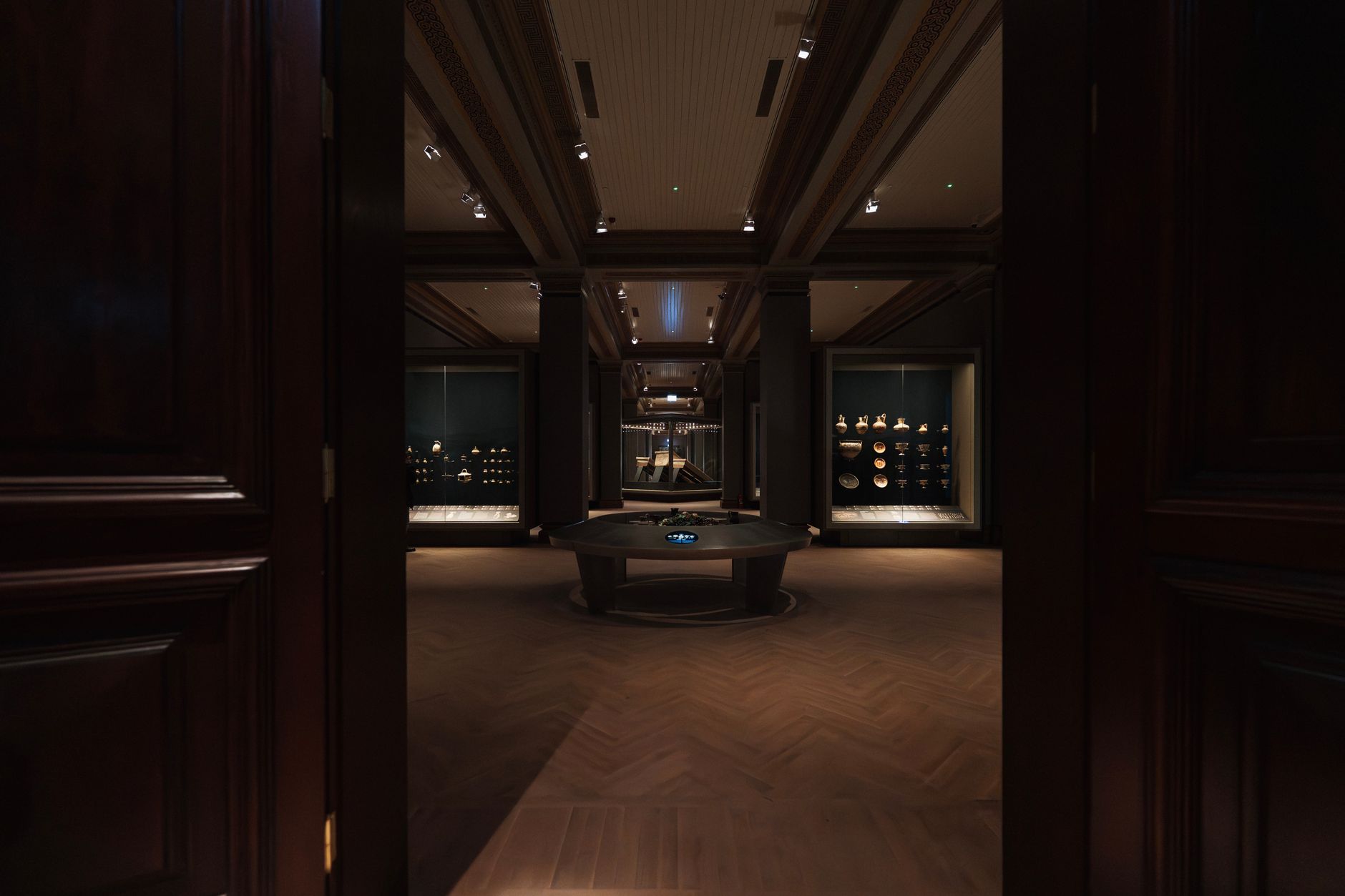
The museum’s floor area was described as comparable to two football fields. Keeping that expanse presentable consumed nearly every hour of every shift during renovation and move-in, when a crew of 10 was already painting, remodeling and preparing exhibits.
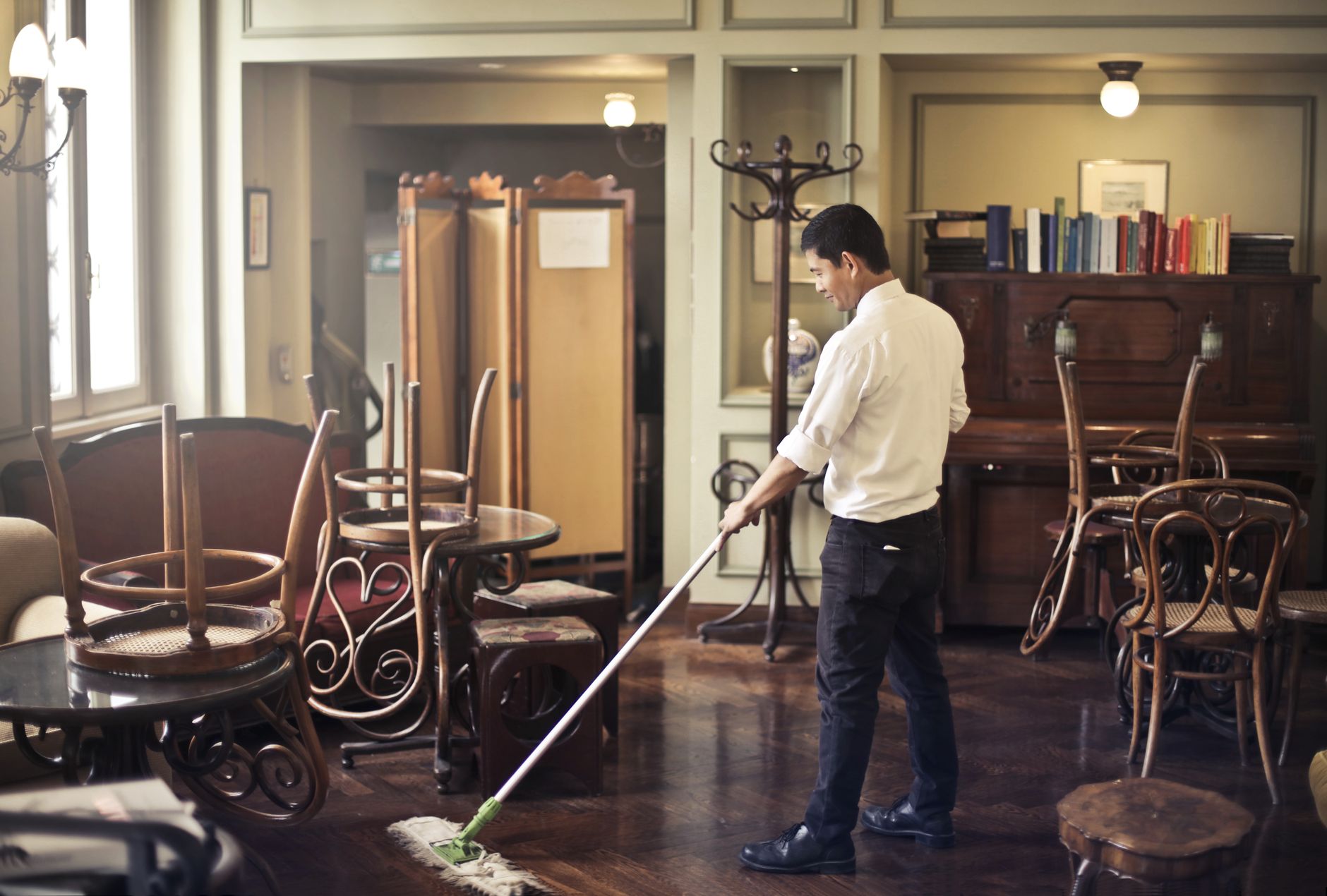
Manual floor care was becoming untenable. Mop heads deteriorated quickly, water became dirty fast and even cleaning the mops had to be outsourced, while the same compact team remained responsible for exhibit rotations and visitor-facing work.
The surroundings raised the stakes. An autonomous scrubber had to navigate high-value vehicles, changing layouts and active public areas without turning careful floor care into a new supervisory burden.
- Large facility coverage had to fit around curation and exhibit work.
- Valuable vehicles made cautious navigation non-negotiable.
- Manual mopping consumed time and generated extra handling.
- Daytime operation had to coexist with visitors in high-traffic areas.
Trust was built through a controlled, visible introduction
The team observed autonomous scrubbing in another high-traffic environment before selecting a compact autonomous floor scrubber for its agility, intelligence and reliability. The choice rested as much on confidence around the collection as on cleaning performance.
Deployment was deliberately light. The machine was functional within minutes, and the operator reported that 15 minutes of training was enough to send it on its first autonomous run without complicated programming.
Daily operation settled into a practical cadence. The scrubber started at 9:30, worked until lunch, received a quick dump and refill, and returned for an afternoon run. One-button operation, mobile alerts and simple maintenance kept oversight manageable.
The published account does not describe a separate service contract or a formal robot pilot program, so neither should be inferred. What it does document is a phased daily routine that let the team establish trust while the machine worked in public view.
- Evaluate navigation behavior in a comparable high-traffic setting.
- Train the operator and launch the first route within 15 minutes.
- Run during the morning, service the tanks at lunch and resume in the afternoon.
- Use mobile updates to monitor progress without shadowing the machine.
Autonomy became the normal operating mode
The scrubber operated autonomously for 95% of its total usage. It covered 11,000 square feet per hour and averaged 2.42 autonomous hours per day, giving the museum a concrete view of utilization and large facility coverage.
Those figures were achieved during visible daytime work, including runs through high-traffic areas. According to the documented account, the scrubber did not touch a single car and continued adapting as exhibit layouts changed.
The operational effect extended beyond clean floors. Staff spent more time curating experiences and less time handling mops and buckets, while visitors noticed the machine moving through the museum. No labor-hour savings or financial return was published, so none is claimed here.
The operating lesson for museum facilities
This was a documented real-world deployment analyzed by Service Robot Co., not a project delivered by Service Robot Co. Its clearest lesson is that museum automation succeeds when route performance, exhibit protection, operator confidence and daytime behavior are evaluated together.
Service Robot Co. is a full-service, OEM-neutral commercial robot integrator for US businesses. As a vendor neutral robot integrator, we select across manufacturers, arrange financing, and handle robot deployment and integration, training, go live support and ongoing service through a nationwide US engineer network.
For a museum considering commercial cleaning robot leasing, an autonomous floor scrubber lease or a floor scrubber monthly lease, that model provides one vendor for the whole lifecycle. Site assessment mapping, a commercial robot demo and a carefully scoped robot pilot program help identify a robot that fits your floor, visitor patterns and collection risks.
The commercial structure matters, but dependable operation matters more. Service Robot Co. can compare leasing and purchase financing while building maintenance and field support into the deployment plan, giving the facility one partner and one number when attention is needed.
Frequently asked questions
Want a robot working for you?
Tell us the job and the site. We will recommend the robot, quote the lease, and keep it serviced.