
a large organic carrot and onion farm in Colorado
Organic Farm Cuts Annual Weeding Labor From $700K to About $300K
See how a Colorado organic carrot and onion farm cut annual weeding labor from about $700,000 to about $300,000 and raised carrot yield 15 to 20%.
- $400K
- approx. annual labor reduction
- $300K
- approx. annual labor bill after
- 15 to 20%
- organic carrot yield gain
- 7 days
- earlier onion harvest
Based on a documented real-world deployment. Figures are from public reporting; the organization is not named.
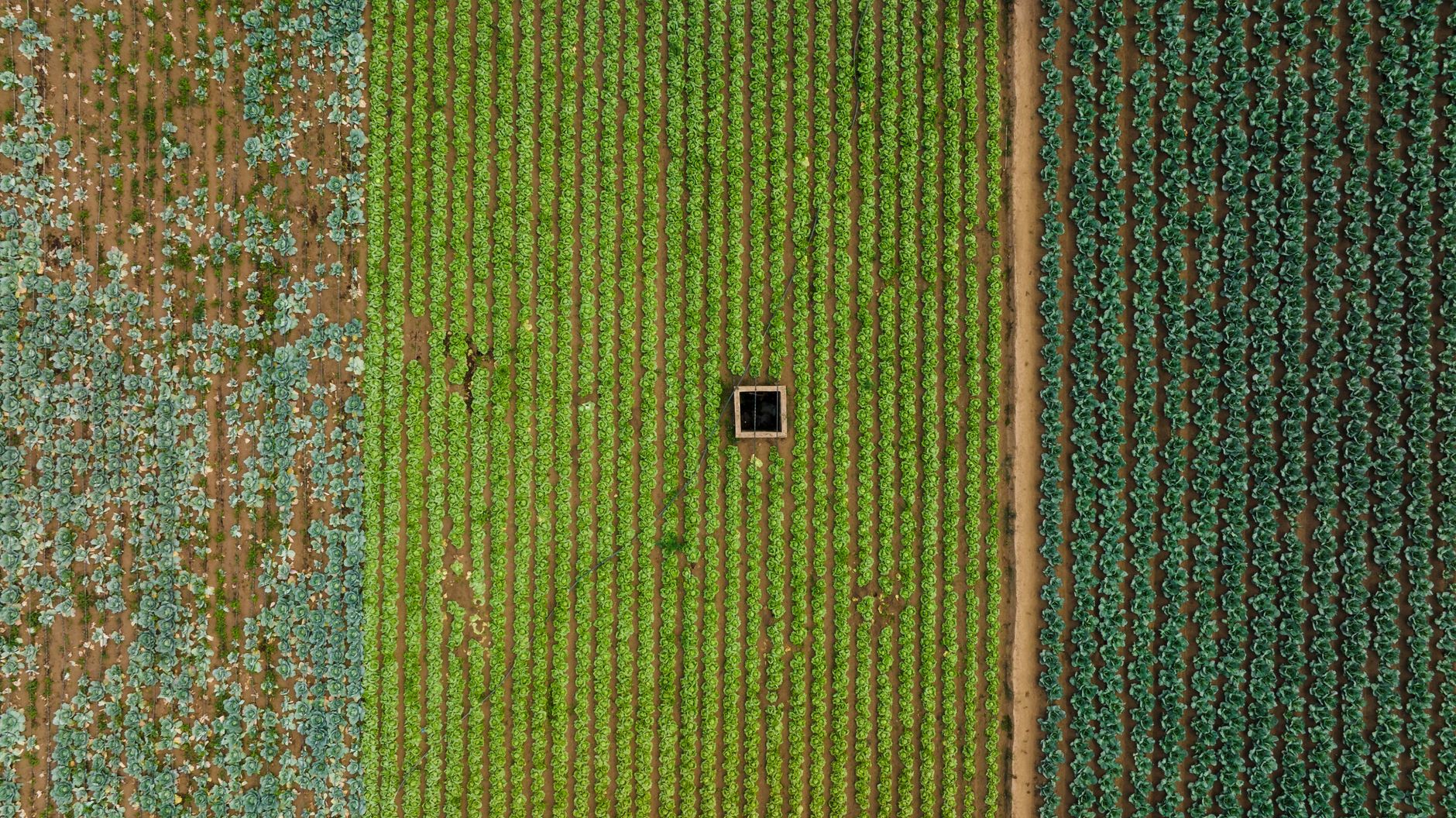
Costly Weeding Was Also Disturbing the Crop
Organic weed control carried an annual labor bill of about $700,000. Hand crews were expensive, and their work introduced another agronomic penalty: pulling weeds disturbed the carrots growing beside them.
The farm needed a method that could suppress weeds without the same physical contact around delicate carrot plants. Timing mattered too. Emerging weeds had to be found and treated before they became conspicuous across the field.
- High recurring labor expense for hand weeding
- Crop disturbance as crews pulled weeds between carrots
- Weed pressure that rewarded detection and treatment before weeds became readily visible
Early Passes and a Measured Extension Into Onions
The farm purchased a laser weeding robot and introduced it into organic carrot production. Its clearest operating lesson was to begin early, before weeds were readily visible, and return 6 to 8 days later for a second pass.
The team also ran the robot across a portion of its onion ground, keeping that observation properly bounded. The published account does not describe the equipment selection process, formal operator training, financing structure, or service arrangement, so those details should not be inferred.
- Begin treatment while emerging weeds are still difficult to see in the field
- Return 6 to 8 days later for the second pass
- Evaluate another crop on a defined portion before making broader performance claims
A Smaller Labor Bill and Stronger Carrot Yield
Annual weeding labor expense fell from about $700,000 to about $300,000. That is a reported reduction of roughly $400,000 following the purchase of the laser weeding robot.
The farm also reported a 15 to 20% improvement in organic carrot yield and a substantial increase in quality. Its explanation was agronomic as much as financial: laser treatment removed the need for hand crews to disturb carrots while pulling nearby weeds.
The onion result was narrower but encouraging. On the treated portion, the farm described the onions as its best so far and harvested them 7 days early. The source does not establish a whole-crop onion result.
These outcomes are attributed grower testimonials. The published account provides no raw data, control group, season, acreage, or independent audit, so the figures should be presented as reported results rather than universal performance guarantees.
What This Field Evidence Means for Robot Buyers

Service Robot Co. did not run this deployment, and the farm is not presented as our client. The case is useful because it shows that field robotics depends on more than machine capability. Crop sensitivity, weed stage, pass timing, operator preparation, and service coverage all shape the result.
Service Robot Co. is a full-service, OEM-neutral commercial robot integrator for US businesses. We select the right equipment across manufacturers, then finance, deploy, integrate, train, and service every unit through a nationwide US engineer network. A free site assessment can lead into a robot pilot program and disciplined robot deployment and integration, with one vendor responsible for the whole lifecycle.
Financing can also compare purchase structures with robot leasing for business when the equipment and operating profile permit it. The aim is an accountable deployment plan grounded in field conditions, agronomy, labor economics, and long-term support, not an assumption that another farm's result will transfer unchanged.