a 10-location casual-dining restaurant pilot in the United States
How a Casual-Dining Pilot Improved 82% of Guest Experiences
A 10-store casual-dining pilot used restaurant service robots for hosting, food running, and bussing; 82% of guests said the robot improved their visit.
- 82%
- Guests up
- 77%
- More server time
- 10
- Pilot stores
- 18 mo
- Test length
Based on a documented real-world deployment. Figures are from public reporting; the organization is not named.
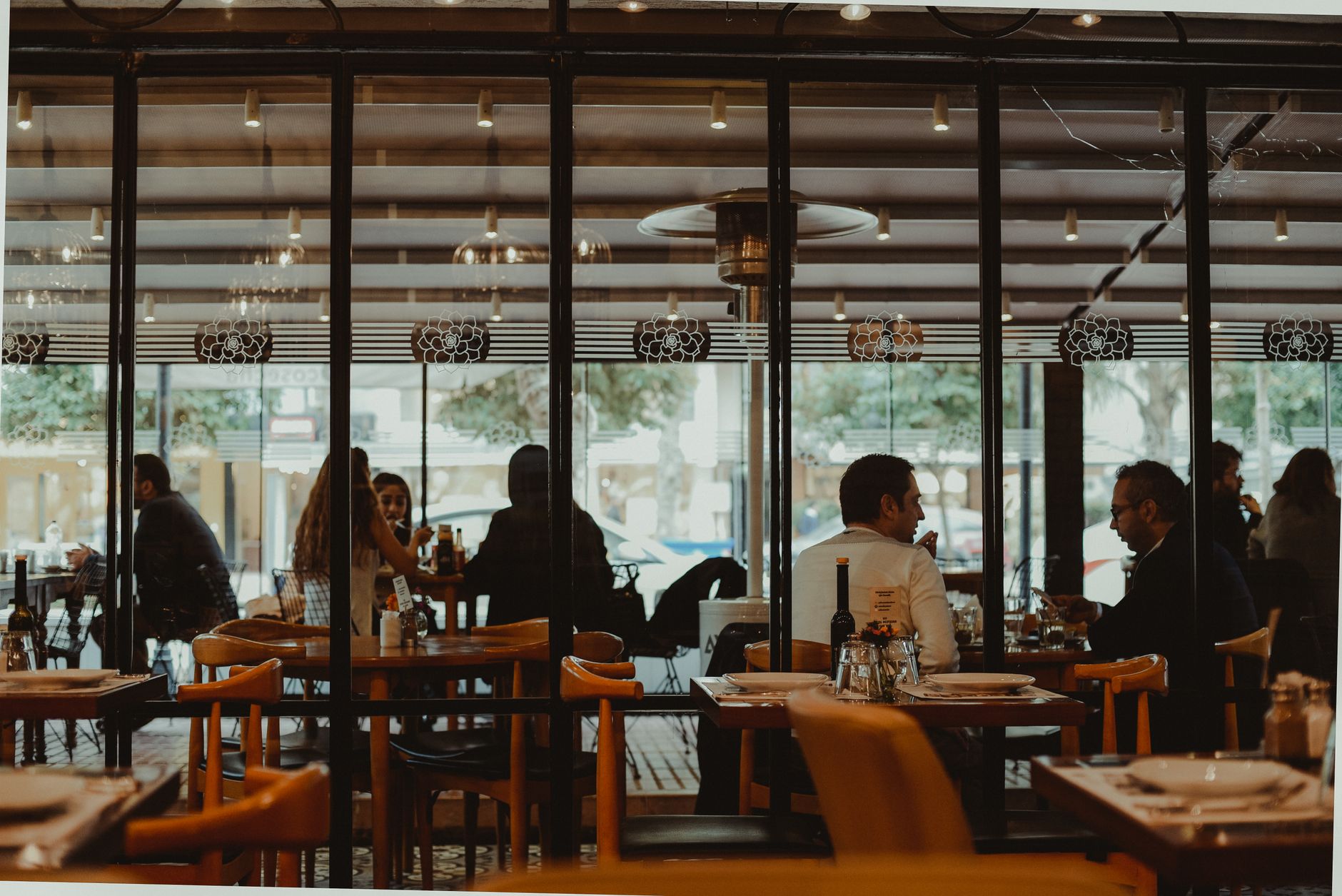
Front-of-house strain during peak dining
Hosts, food runners, and bussers juggled seating, kitchen trips, and table turns while guests expected a relaxed family dining feel. Manual runs from kitchen to table stacked physical work on the same shift.
Leadership wanted automation that assisted the team without replacing the server guest relationship.
- Host stand stays staffed while guests are guided
- Food running and bussing trips multiply at peak
- Servers need time at the table, not only in the aisle

Eighteen month service robot pilot in ten stores
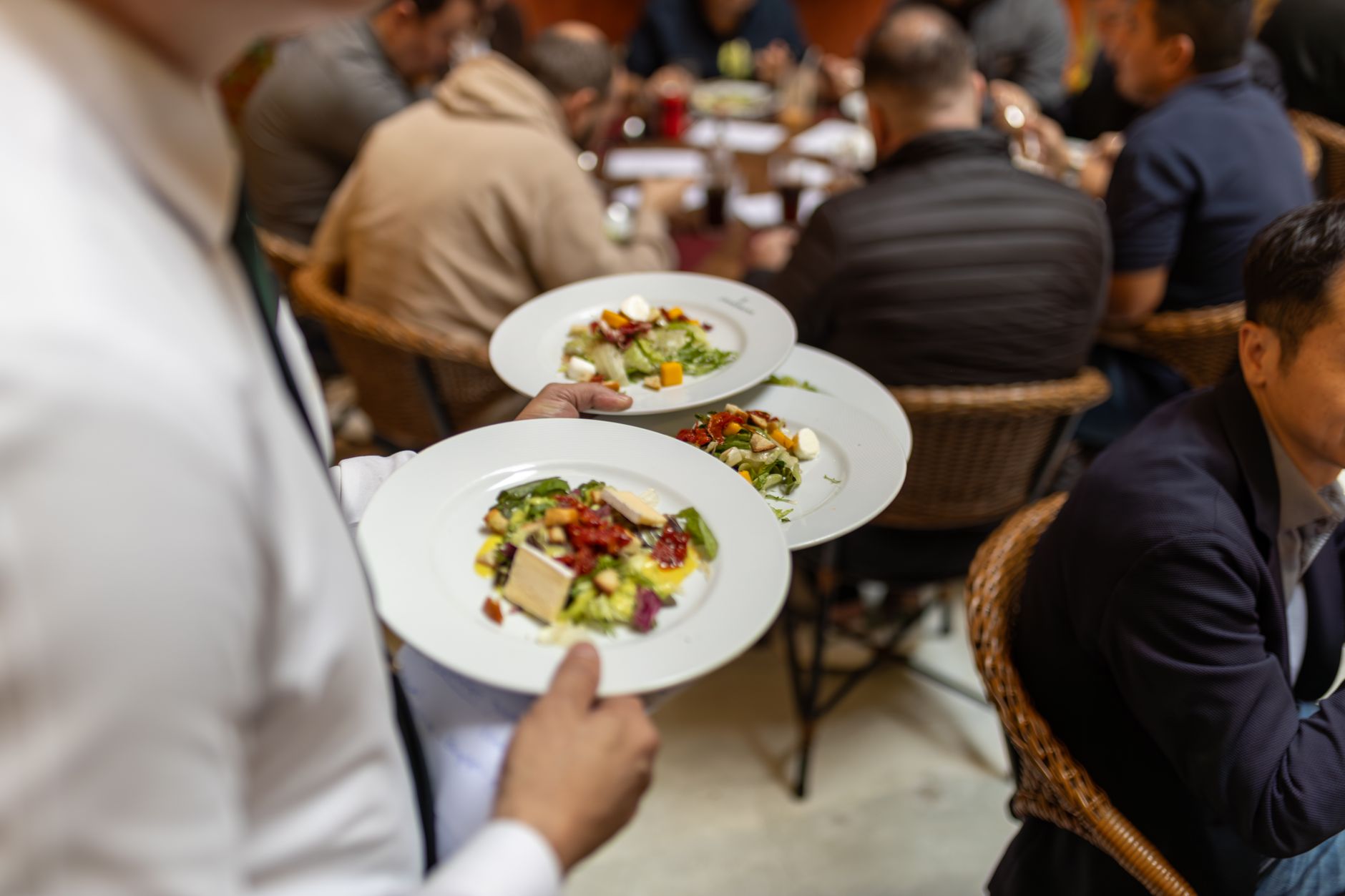
The chain deployed restaurant service robots across ten locations to support hosting, food running, and bussing during an eighteen month field test. Robots guided guests toward tables, carried trays on repeat kitchen-to-table routes, and handled light celebratory moments so hosts and runners stayed at their stations.
Training stayed minimal so existing floor staff could work alongside the units without a full process rewrite.
- Start in ten restaurants across multiple states
- Use robots for seating guidance and tray moves
- Keep hosts at the stand for questions and welcomes
Guest and server feedback after the test
Surveyed guests reported that 82 percent felt their experience was better because of the robot. Seventy-seven percent said their server spent more time with them during the meal.
Eighty-four percent of team members expressed excitement about the robot in the documented pilot, and leadership cited reliable repeat performance over the eighteen month test window.

What full-service restaurants can take from this pilot
This is a documented real-world example, not a Service Robot Co. deployment. It shows why casual dining groups trial restaurant service robot rental when hosting and running food compete for the same hourly team.
Service Robot Co. is a vendor-neutral integrator that selects food running and busser robots across manufacturers, then finances, deploys, integrates, trains, and services them through a nationwide engineer network.
A month to month robot pilot in one dining room can prove guest survey results before you expand to additional stores.