an upscale central business district coffee lounge in Australia
How a CBD Coffee Lounge Saved 1.5 Staff Hours Daily With a Service Robot
A one-month hospitality pilot used a delivery robot for runs and table clearing, saving 1.5 staff hours daily and cutting walking 2.5 km per shift.
- 1.5 hrs
- Staff time saved daily
- 18%
- Faster turnover
- 2.5 km
- Less walking per shift
- 86%
- Positive guest feedback
Based on a documented real-world deployment. Figures are from public reporting; the organization is not named.
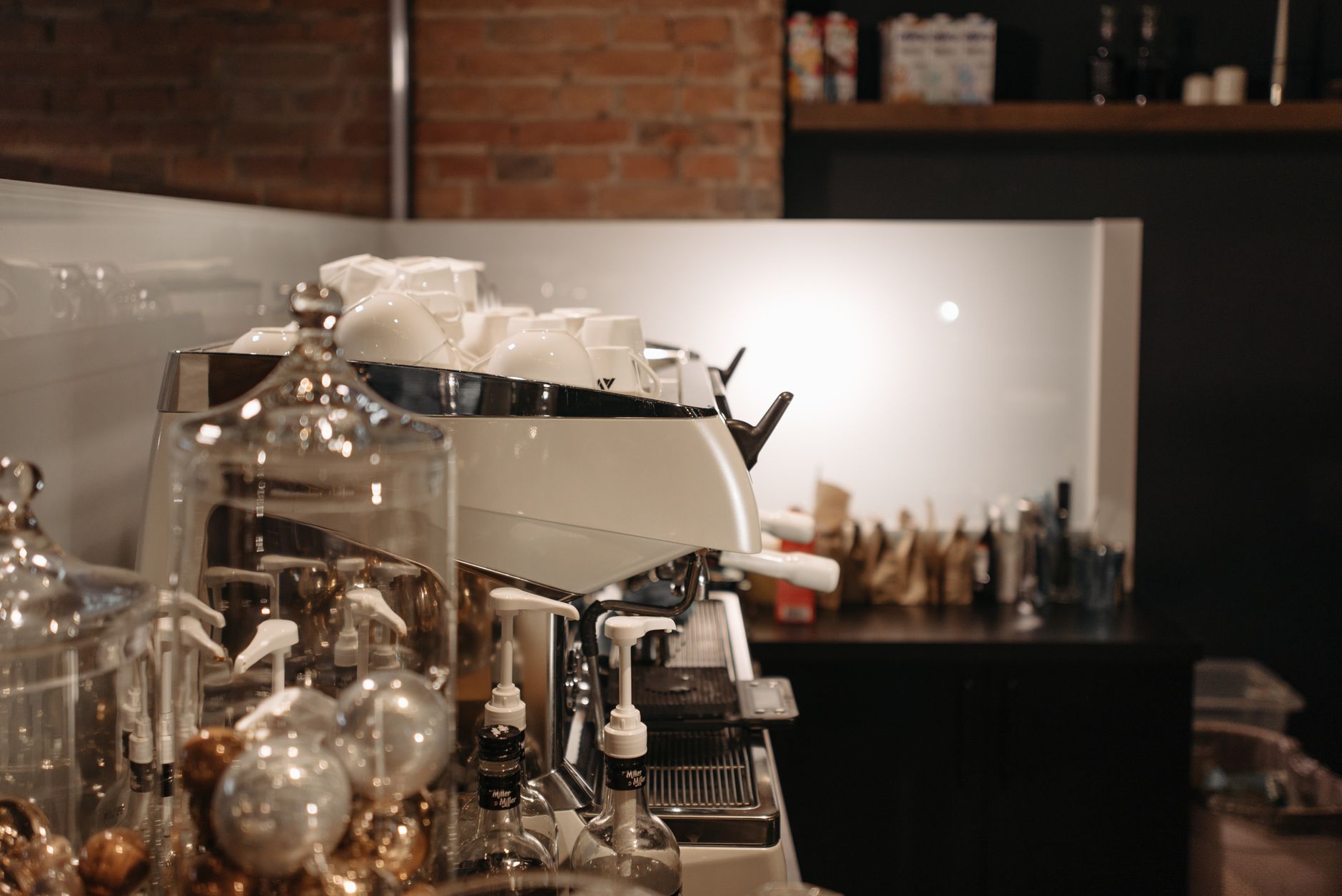
Peak-hour pressure in a premium coffee lounge
An upscale central business district coffee lounge in Australia runs tight service windows at breakfast, lunch, and evening peaks. Guests expect fast handoffs, spotless tables, and staff who can talk through the menu, not staff sprinting with trays.
Manual order runs and table clearing pulled baristas and floor staff into repetitive corridor work. That walking added fatigue during the busiest blocks and left less time for guest contact and upselling on featured drinks.
- High foot traffic during three daily peak periods
- Long indoor walking routes between kitchen pass and seating
- Limited bandwidth for menu prompts while clearing tables
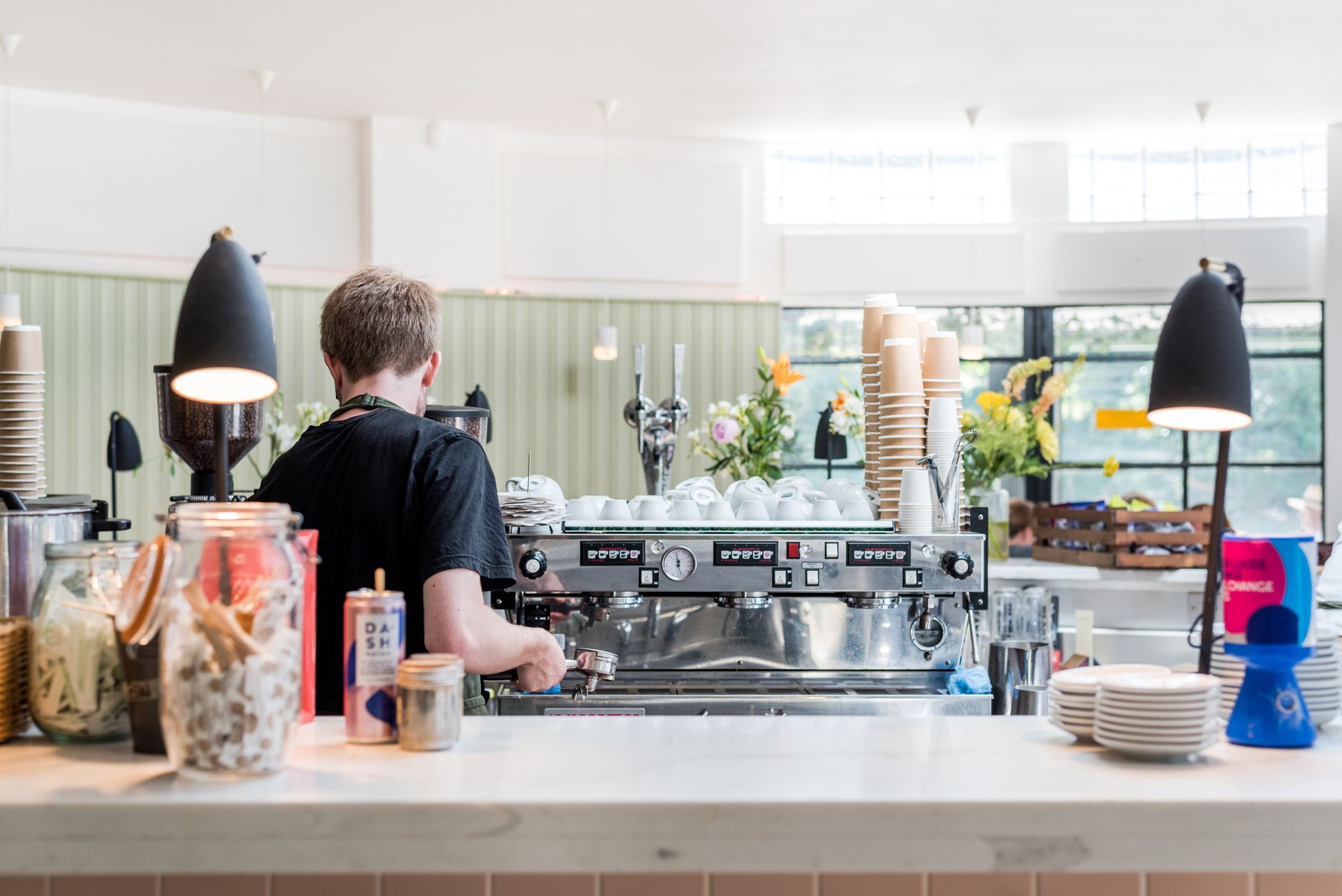
A focused one-month pilot during live service
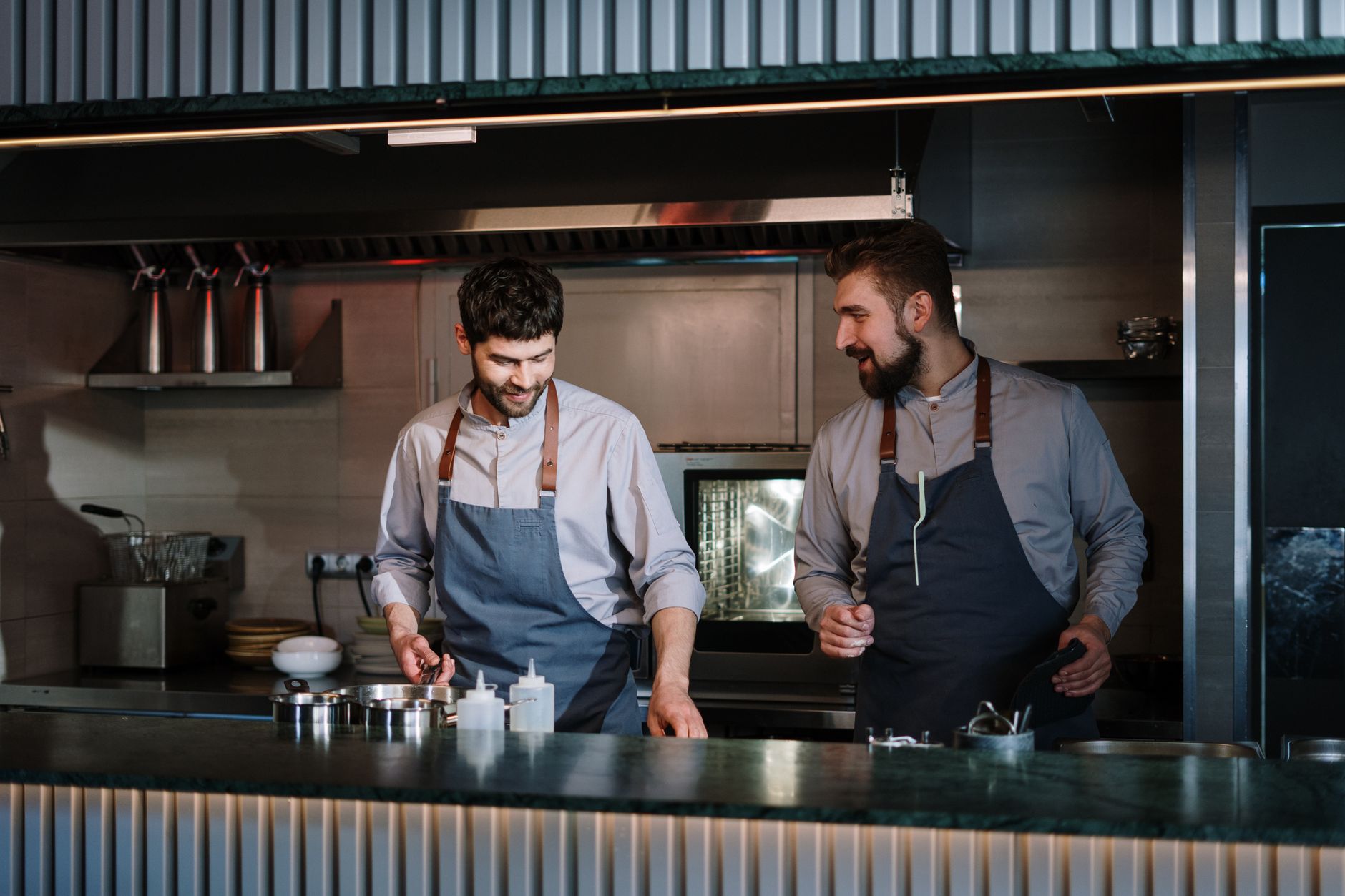
The lounge ran a 30-day pilot with a commercial delivery robot assisting during peak breakfast, lunch, and evening hours. The robot handled routine order delivery to tables, cleared finished ware, and carried short promotional prompts while humans stayed on guest-facing tasks.
Staff were trained to hand off at the pass and let the robot cover predictable runs. Integration stayed lightweight: the unit worked occupied floors during real service rather than a closed test shift.
- Scope limited to peak meal periods for one month
- Robot tasks: deliver orders, clear tables, promote featured items
- Staff retained engagement, upselling, and exception handling
Measured gains in time, pace, and guest response
Published pilot results report 1.5 staff hours saved daily, 2.5 km less walking per shift, and 18% faster turnover. Staff feedback cited 72% less fatigue, with more time for upselling and customer care.
Guest-facing metrics were strong: 86% positive feedback, 15% more social mentions, and about one in six repeat visits tied to the experience. The lounge also reported roughly 5 to 7% sales growth and about 9% higher promotional item sales during the pilot window.
What this means for US hospitality operators
This deployment was documented in Australia and was not run by Service Robot Co. It still shows how a food runner style delivery robot can buy back an hour or more per day without cutting headcount on day one.
Service Robot Co. helps US cafes, hotels, and full-service restaurants evaluate robot rental monthly or lease paths, map real floor plans, and stand up pilots with training and nationwide service. A vendor-neutral integrator can match the right delivery robot to your aisles, doors, and peak flow before you commit capital.