
a cell-and-gene-therapy manufacturing operation
Cell Therapy Cobots Cut Cost 74%, Raise Dose Density Up to 100x
See how a modular laboratory cobot cluster cut estimated manufacturing cost 74% and enabled up to 100x more doses per square foot of cleanroom.
- 74%
- lower estimated cost
- Up to 100x
- dose density
- 0.1 mm
- stated accuracy
Based on a documented real-world deployment. Figures are from public reporting; the organization is not named.
Manual Work Had Reached Its Practical Limit
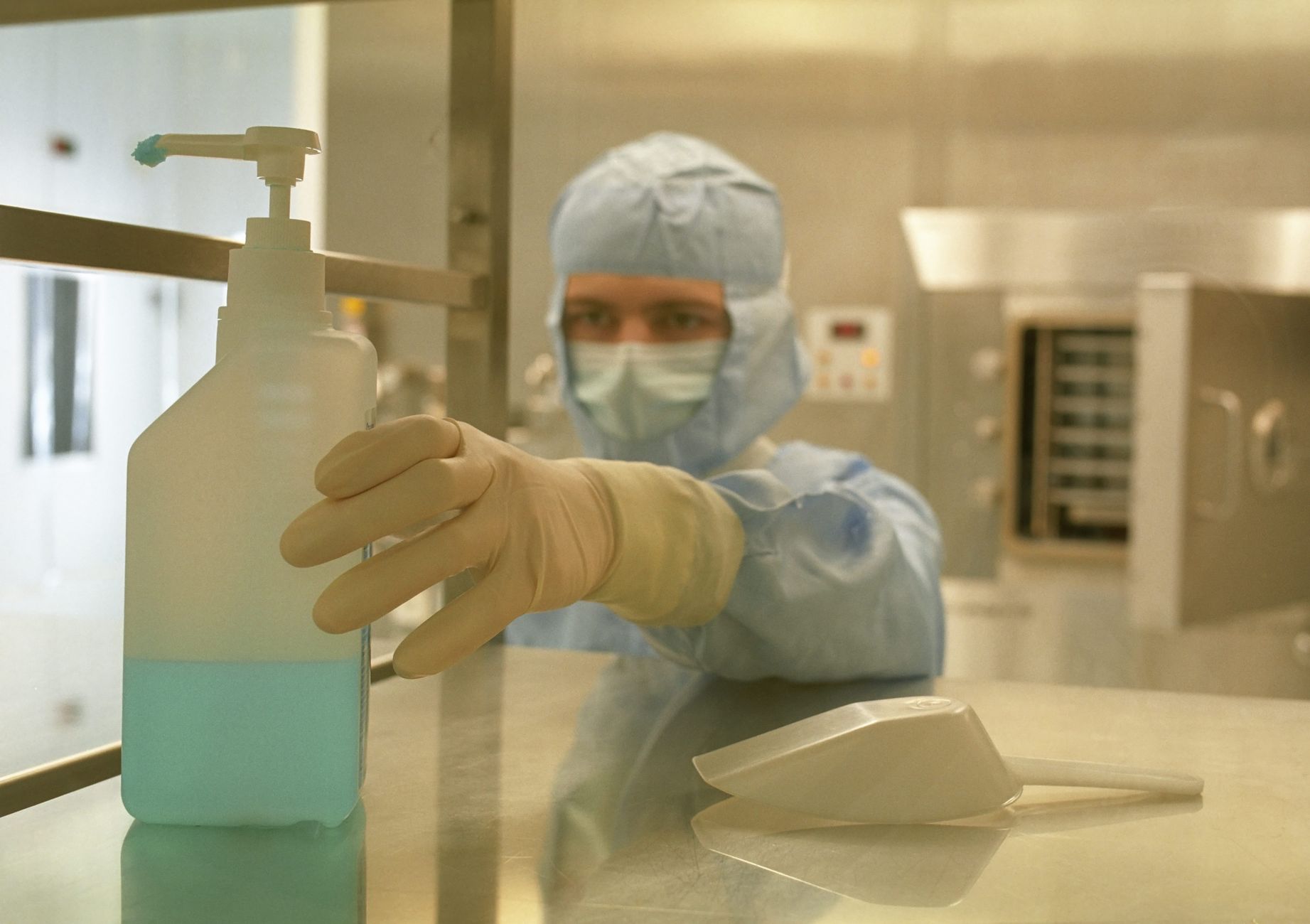
Personalized cell and gene therapies depended on expert scientists completing hundreds of manual tasks, including pipetting, cell agitation, feeding cultures, and handling consumables. That artisanal workflow was difficult to expand because each patient batch required exacting, repetitive attention inside scarce cleanroom space.
Contamination carried exceptional consequences. Therapeutic cells cannot simply be sterilized after exposure, so a microbial event could make an entire patient-specific product unusable. Human handling also introduced variation where repeatability, traceability, and aseptic discipline were paramount.
Conventional scale-up would have required more skilled personnel and more classified space. The operation instead needed lab robots capable of reproducing established procedures without forcing scientists to abandon familiar instruments or rewrite the underlying manufacturing process.
- Reduce direct human contact with open or sensitive process steps
- Replicate intricate manual motions with consistent force and positioning
- Run patient batches in parallel within a constrained cleanroom footprint
- Preserve established process logic and industry-standard laboratory equipment
A Modular Cluster Built Around the Existing Process
The operation evaluated collaborative arms for human-like articulation, delicate force control, software compatibility, and cleanroom suitability. The chosen arms were incorporated into a modular robot laboratory rather than installed as isolated machines.
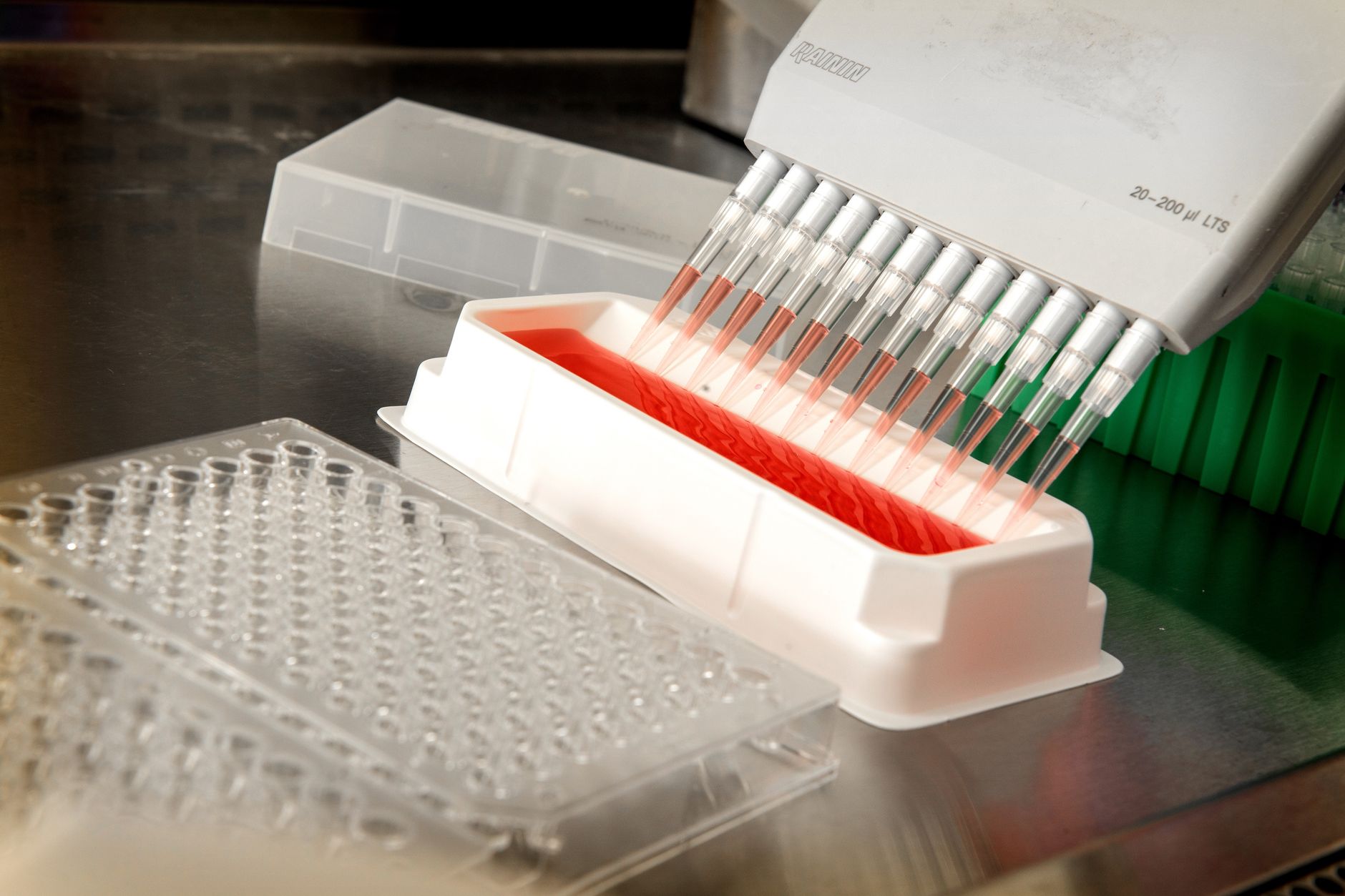
Multiple arms and process instruments were arranged in vertically stacked modules with collision avoidance. That architecture allowed the cluster to perform cell feeding, pipetting, agitation, material handling, and other intricate manipulations in parallel while making better use of cleanroom volume.
Imitation learning helped convert expert practice into robot routines. Scientists recorded themselves performing established tasks, and those demonstrations informed how the cobots reproduced the work more consistently and continuously.
The public account says clusters reached commercial partner facilities, but it does not disclose a phased rollout schedule, workforce training curriculum, or service contract. Those remain distinct qualification workstreams for any subsequent deployment.
- Capture the approved manual workflow through expert demonstrations
- Configure modular interfaces for instruments, cassettes, consumables, and bioreactors
- Compare robotic execution with manual performance and assess sterility
- Add parallel capacity through repeatable cluster modules after validation
Lower Estimated Cost, Far Greater Cleanroom Productivity
A comparison of the same cell-therapy process performed manually and robotically found an approximately 74% reduction in manufacturing cost. The case summary describes the reduction as up to 74%, so it should be read as an estimated process result rather than a guaranteed outcome for every facility.
The cluster was estimated to produce up to 100x more patient doses per square foot of cleanroom. Vertical stacking, parallel execution, and the removal of space needed for routine human intervention drove that extraordinary density gain.
The system also achieved stated accuracy of 0.1 mm with tighter error bounds than human operators. Contamination appeared in the manual comparison but was not observed in the robotic process, an encouraging validation result rather than a blanket sterility guarantee.
Published research further reported comparable cell yields, viability, and identity between robotic and manual cultures. The significance is clinical as much as operational: density and cost improved without abandoning the biological performance measures examined in the study.
What This Example Means for a Commercial Deployment
This documented deployment was not performed by Service Robot Co. It is a real-world example we analyze because it shows how carefully configured cobots can attack the cost, capacity, and contamination constraints surrounding personalized therapy manufacturing.
For a similar US operation, Service Robot Co. can serve as a full-service, OEM-neutral commercial robot integrator. We evaluate equipment across manufacturers, structure collaborative robot arm leasing or other financing, and manage robot deployment and integration around the process, facility, and quality requirements.
That lifecycle continues through commissioning, training, a robot maintenance service plan, remote triage, and on-site dispatch through a nationwide US engineer network. Buyers gain a single accountable vendor for selection, finance, integration, go-live support, and service instead of coordinating disconnected suppliers.
A commercial robot pilot program can establish comparability, contamination controls, instrument compatibility, and operator acceptance before broader replication. Options such as cobot leasing for manufacturing, purchase or lease, and monthly payment programs can then align the equipment path with technical qualification and capital planning.