
a century-old Swiss cement plant with three mills across six floors
Cement Plant Quadruped Inspection: 127 Downtime Hours Avoided
A century-old Swiss cement plant used quadruped inspections to catch failures early, avoiding 127 downtime hours and $660,000 in shutdown costs.
- 127h
- downtime avoided
- $660,000
- shutdown costs avoided
- 33,000+
- inspections in 16 months
- 450
- inspection points
Based on a documented real-world deployment. Figures are from public reporting; the organization is not named.
Where the blind spots sat
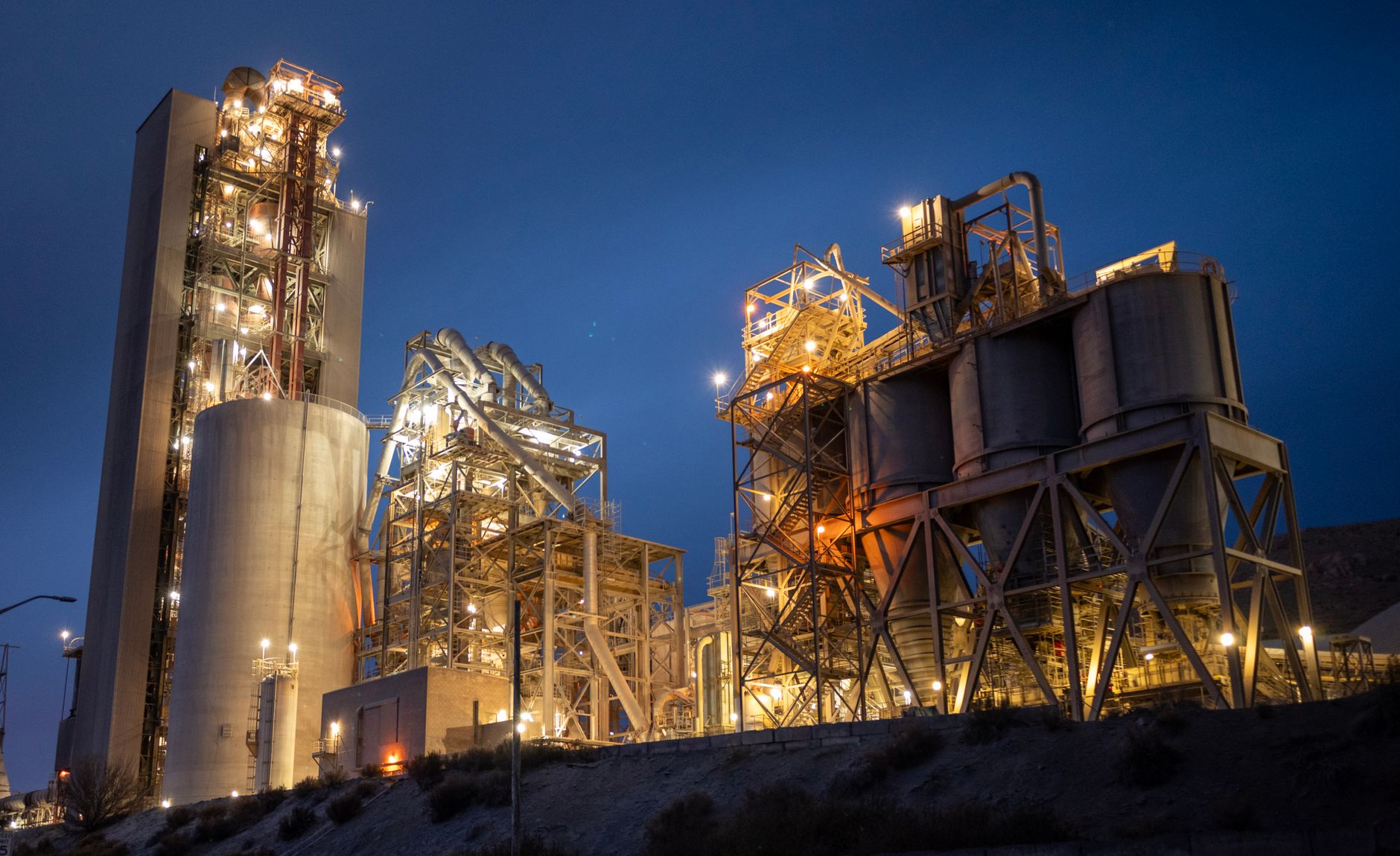
This plant ran a punishing inspection problem. Roughly 1,000 rotating machines were spread across three mills and six floors, with heat above 50 C in some zones, narrow stair access, and unloading areas where ammonia could collect.
Around 200 fixed sensors watched part of the clinker side, but the rest still depended on manual rounds and paper logs. That left blind spots around elevated filters, conveyors, bearings, and foundations that could look ordinary from the outside while risk was building underneath.
- Partial sensor coverage left key assets unmeasured.
- Paper rounds made it easy for recurring defects to fade into the background.
- Some of the highest-value inspection points were also the hardest and least pleasant to reach.
How the rollout was handled
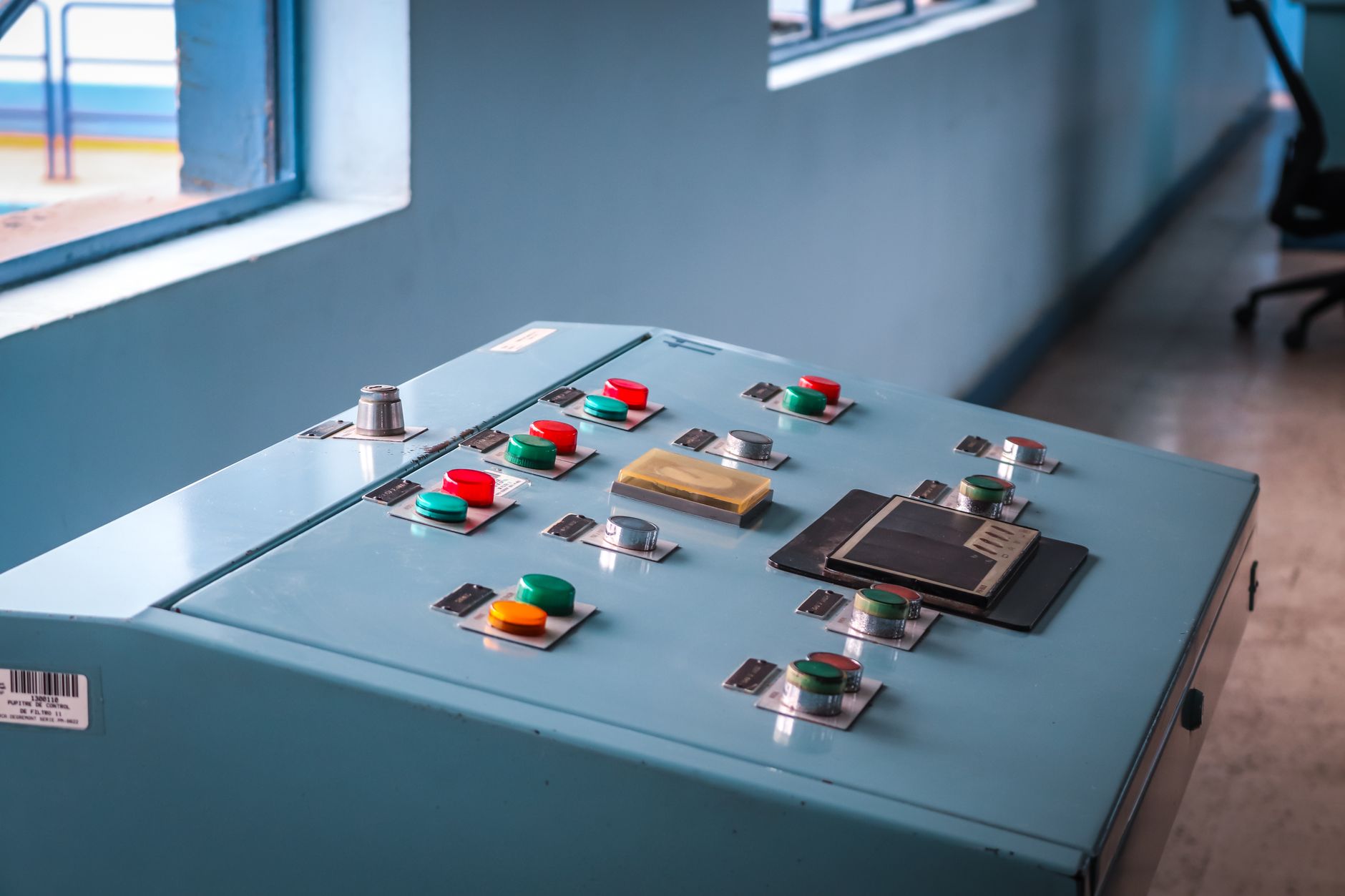
The maintenance and automation teams introduced a quadruped inspection robot in late 2024, then moved quickly from first talks to live use. The source says discussions began in November 2024, the robot arrived on January 6, 2025, and fully autonomous inspections were in place by the end of that month.
The robot ran nightly missions across three mills and six floors, gathering visual, thermal, gas, and acoustic data at 450 inspection points. Each morning, the site received a fresh report before first shift, which let the team plan repairs, order parts, and target site visits before failures matured.
The rollout also changed who could own the process. Two maintenance technicians reached full mission control in three months, and the robot kept inspecting through weekends so the plant had a steadier record of change, not just snapshots from a clipboard.
- Start where fixed sensors stopped and manual rounds were weakest.
- Run autonomous night inspections and review the morning report before first shift.
- Use trend data to schedule repairs, parts, and follow-up checks earlier.
- Train in-house technicians until day-to-day robot operations sit with the plant team.
What the plant gained
Over 16 months, the program logged more than 33,000 inspections and surfaced four findings that materially changed plant reliability. The documented total was 127 hours of downtime avoided and $660,000 in shutdown costs avoided, with the source reporting that the program recovered more than it cost to run.
The single biggest catch was a cracked crusher foundation. According to the source, a collapse would have cost roughly 120 hours of lost production and close to $630,000, but the defect was spotted early enough for a 1 day repair while the crusher kept running.
Other finds reinforced the same pattern. A bearing was caught above 100 C and climbing toward 140 C, then repaired in a planned 8 hour job at about $30,000 instead of as an emergency, ammonia readings peaked at 19.4 ppm with more than 6 spikes logged at levels that would have restricted human presence to short windows, and air leaks 50 meters above the floor were pinpointed ahead of the next shutdown window.

What this says for U.S. buyers
For U.S. manufacturers weighing inspection robot leasing, the lesson is not that every cement plant needs the same machine. The lesson is that scattered assets, partial sensor coverage, and hard access points respond best when sensing, reporting, training, and service are designed as one operating model.
Service Robot Co. is built for that kind of project. As a vendor neutral robot integrator, we help businesses choose the right robot across manufacturers, structure monthly payment programs or robot leasing for business, handle robot deployment and integration, train the site team, and support the fleet through one vendor for the full lifecycle.