a large university hospital campus in Central Europe
How a Central European University Hospital Saved 28 Manual Hours Weekly With Autonomous Scrubbers
A Central European university hospital freed 28 weekly manual hours and held about 91% scrubber route completion in busy corridors using autonomous floor care.
- 28 hrs
- weekly saved
- 90.53%
- route finish
- 24/7
- public areas
- 100%
- standards met
Based on a documented real-world deployment. Figures are from public reporting; the organization is not named.
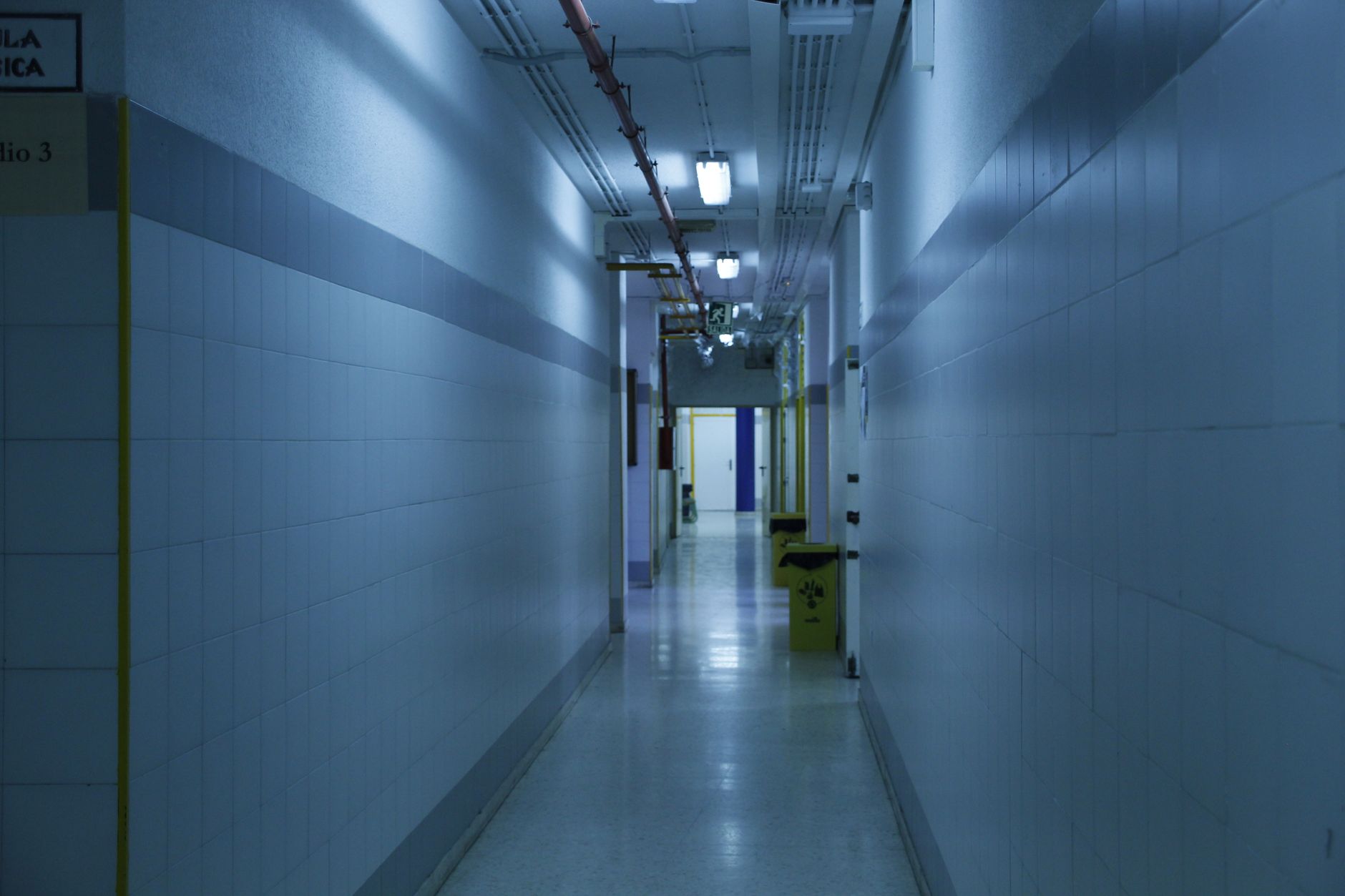
Corridors that never empty
A large university hospital campus in Central Europe runs public entrances and main corridors around the clock. Visitors, staff, and rolling equipment keep those paths active, which makes traditional mop-and-bucket cycles hard to schedule without cordoning space.
Environmental services leaders needed predictable hard-floor care that met hygiene expectations while freeing specialists for detail work at patient touchpoints. Manual scrubbing in high-traffic zones also competed with the same labor pool handling spills and isolation turnovers.
- Entrance halls see constant wheelchair and gurney traffic
- Night cleaning windows shrink when emergency volume spikes
- Supervisors wanted measurable coverage, not anecdotal walk-throughs
Autonomous scrubbing beside occupied care
The hospital partnered with an integration team to deploy an autonomous scrubber tuned for wide public corridors rather than closed patient rooms. Routes were mapped for entrance halls and connector corridors where foot traffic is heavy but predictable enough for slow, visible machines.
Staff trained on daily startup, water fill, and exception handling so the robot could run while porters and volunteers still moved through the space. Supervisors tracked route completion reports to confirm each shift finished the planned coverage instead of skipping legs when the building got busy.
- Pilot routes focused on entrance halls and main corridors first
- EVS leads reviewed completion data after each autonomous cycle
- Manual teams shifted attention to edges, glass, and touchpoint disinfection

Documented labor and reliability gains
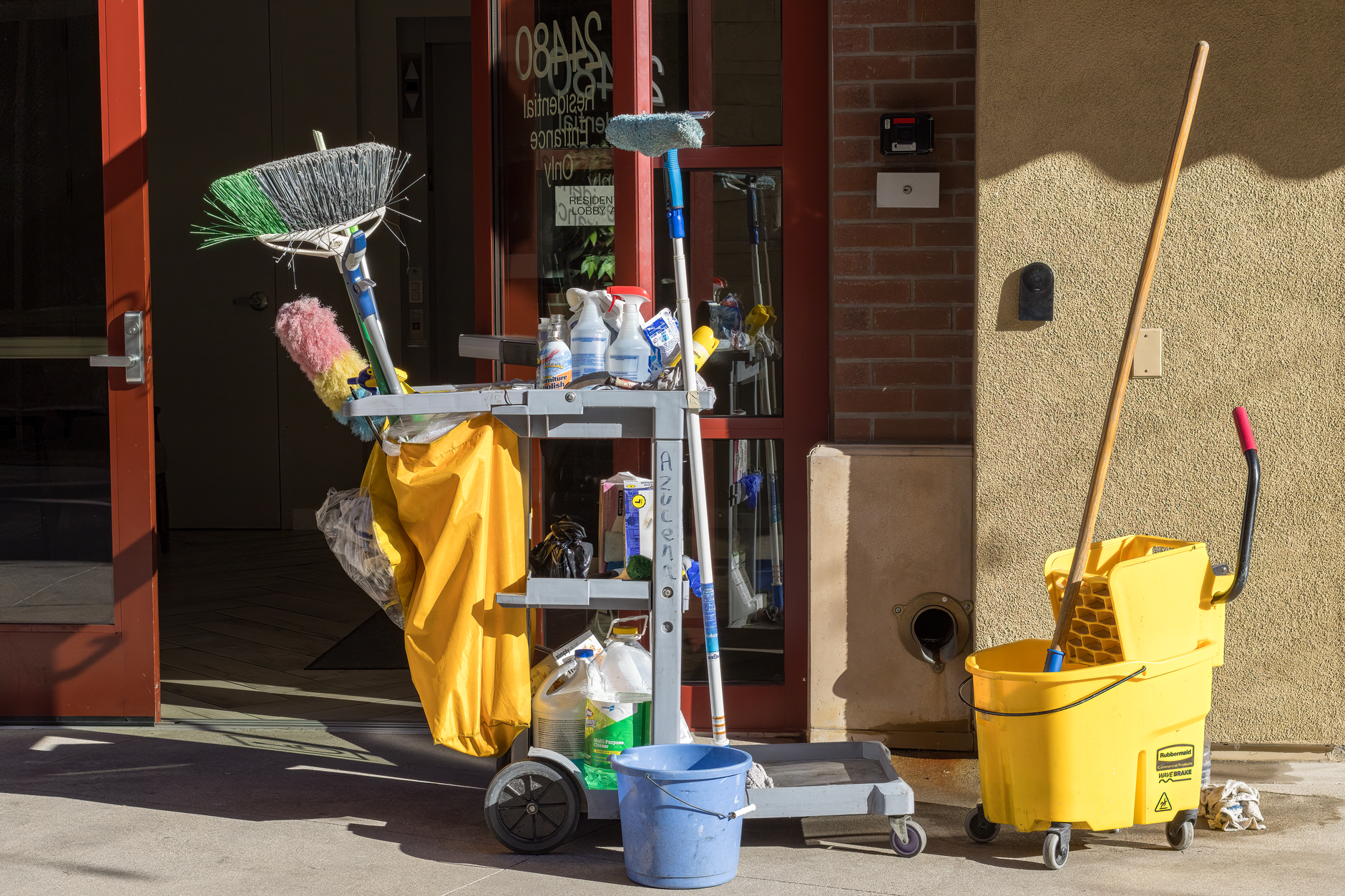
Published results from the deployment cite 28 hours of manual work removed each week, giving supervisors a full day of labor back across their floor-care roster. The same reporting highlights 90.53 percent route-completion reliability, meaning the scrubber finished planned paths even when the hospital stayed occupied.
Case authors also note hygiene standards were met across the targeted public areas, with consistent daily coverage replacing uneven manual pacing. Operators described the outcome as stable floor care that did not depend on pulling nurses or clinical staff into corridor scrubbing.
What this means for hospital floor scrubber rental
This story is a documented European example, not a Service Robot Co. customer account. It still shows why US hospital EVS directors compare commercial cleaning robot rental when corridor labor hours disappear into endless public-area resets.
A vendor neutral integrator can shortlist autonomous scrubbers for occupied healthcare zones, align robot rental monthly or lease paths, and train site champions before the first overnight shift. Service Robot Co. maps traffic patterns, validates infection-control workflows with your team, and backs the fleet with nationwide on-site dispatch when a machine needs attention.