
an advanced-ceramics manufacturing plant in Massachusetts
Ceramics Plant Scrubber Cleans 1.5 Million Square Feet
See how an advanced-ceramics plant used autonomous floor scrubbing to clean 1.5 million square feet in 204 hours across 234 completed cleaning plans.
- 1.5M sq ft
- Cumulative area cleaned
- 204 hrs
- Autonomous cleaning time
- 234 plans
- Cleaning plans executed
- Up to 2 hrs
- Daily technician cleaning
Based on a documented real-world deployment. Figures are from public reporting; the organization is not named.
A Safety-Critical Chore Was Pulling Technicians Off Production
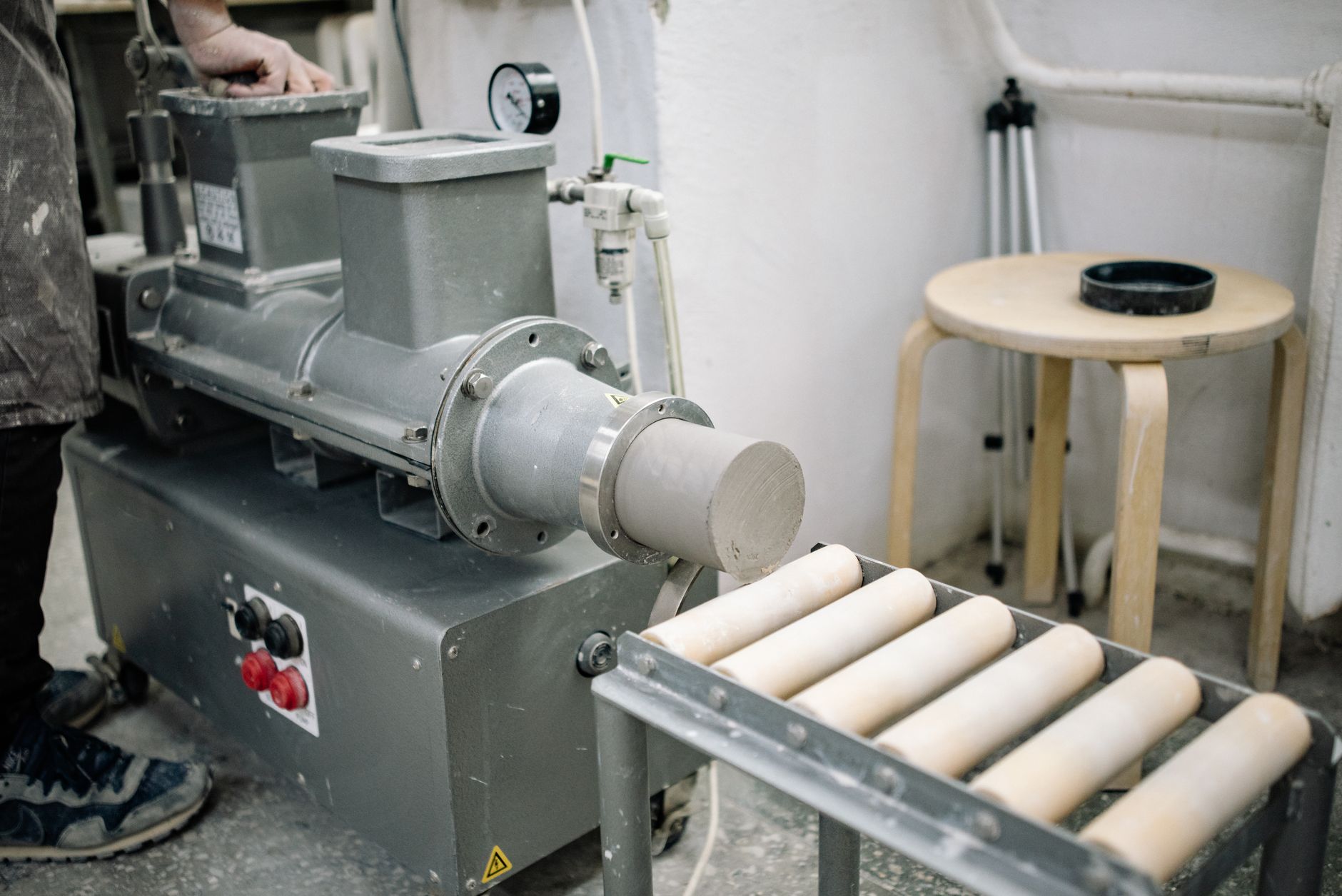
The plant’s advanced-ceramics process left powdered coatings and slick surfaces on the manufacturing floor. The material was lubricious enough to create slippery walkways, so floor care was not cosmetic housekeeping. It was an operational safety priority.
Skilled production technicians were being pulled from their core work for up to 2 hours a day to keep the facility clean. Bringing in general custodial contractors was impractical because chemicals, moving equipment, people, and forklift traffic made the environment hazardous for personnel unfamiliar with the floor.
The space itself resisted a rigid cleaning routine. Raw materials arrived, finished goods moved toward shipping, and floor plans changed around active production. The plant needed an industrial floor scrubbing robot that could clean amid those shifts without adding another intensive task for technicians.
- Slippery walkways demanded frequent, dependable floor care.
- Powder from the production process introduced an additional housekeeping concern.
- Technician cleaning time came directly out of production activity.
- Changing layouts and mixed traffic complicated repeatable route execution.
Prove the Machine on the Actual Floor, Then Operationalize It
The plant examined several cleaning options before selecting an autonomous scrubber that could navigate a busy industrial setting. A successful on-site demonstration proved the equipment in the operating environment, which is the right standard for a commercial robot demo: test the real soil load, traffic, obstructions, and routes.
The documented sequence then moved from a robot pilot program into regular operation. This phased deployment no shutdown pattern reduced adoption risk because performance was established before the machine became part of routine floor care.
Personnel used a web-based operations interface to review cleaning metrics and keep usage accountable. The source does not specify a formal training duration or curriculum, but it does report responsive post-deployment service, an important requirement for any manufacturing plant robot lease or owned fleet.
- Evaluate the live production floor and its changing traffic patterns.
- Run an on-site demonstration against the plant’s actual cleaning conditions.
- Pilot the autonomous scrubber before moving it into regular operation.
- Track plan execution and coverage data through the operating dashboard.
- Pair go-live support with a defined robot maintenance service plan.
Documented Coverage at Industrial Scale
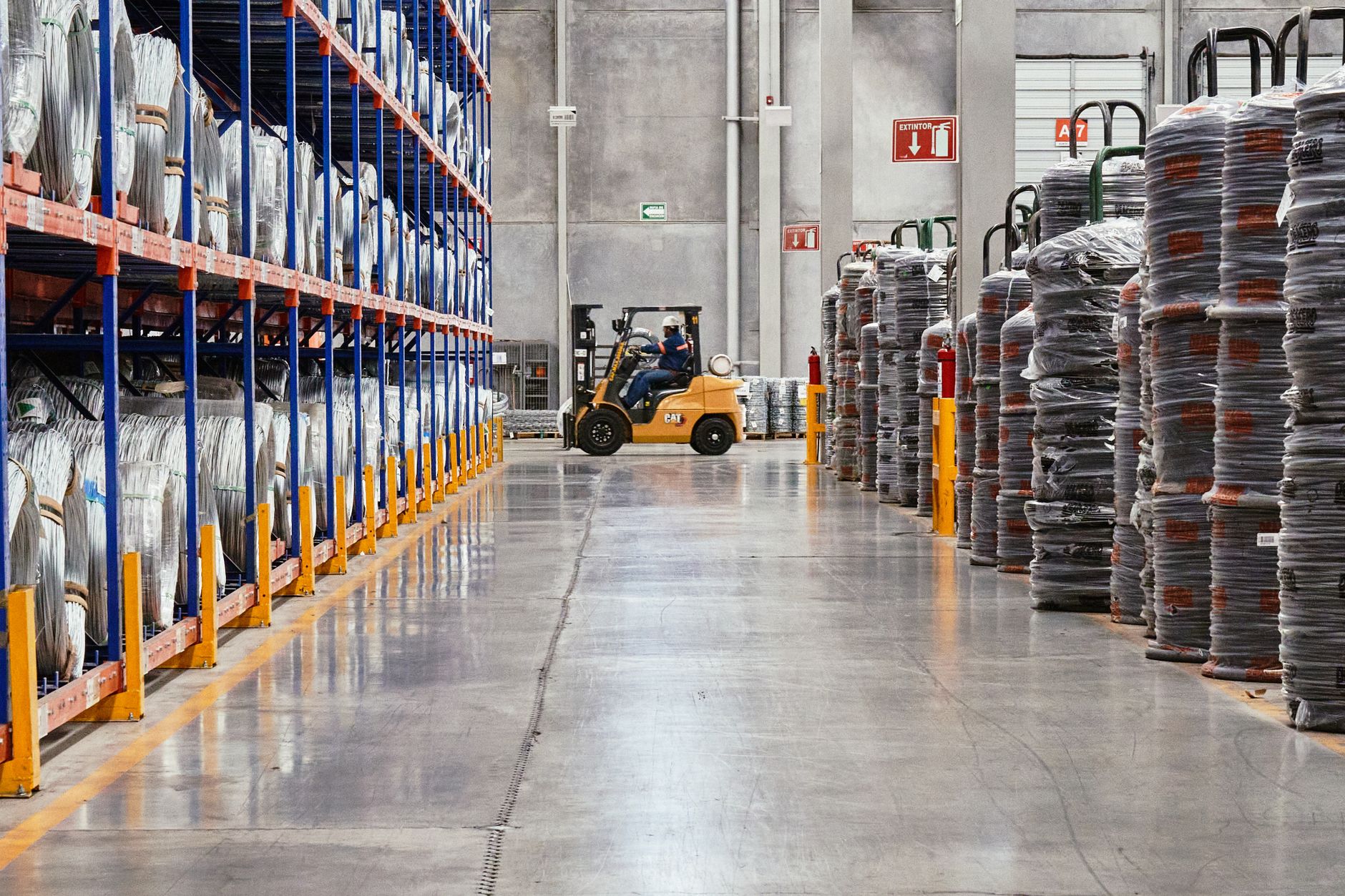
Across 204 cleaning hours and 234 executed cleaning plans, the autonomous scrubber cleaned 1.5 million square feet. That figure is cumulative area cleaned inside the facility, not the plant’s total footprint. The distinction matters when judging large facility coverage.
The operational result reached beyond floor-care output. The system took a non-value-added cleaning duty away from the production team, allowing skilled technicians to refocus on production work. Facility managers also reported productivity gains and greater internal accountability for a clean, safe workplace.
The published metrics establish repeatable use, not a controlled comparison against manual scrubbing. No measured injury reduction or cleaning-quality percentage was reported, so the defensible conclusion is narrower: the robot completed substantial tracked floor coverage while reducing the need to divert production technicians.
From a Proven Use Case to an Accountable Operating Program
This is a documented real-world deployment that Service Robot Co. analyzes. Service Robot Co. did not run this specific project. Its value for buyers is the operating pattern: validate a robot that fits your floor, pilot it in live conditions, train the team, measure actual coverage, and plan service before regular use.
Service Robot Co. is a full-service, OEM-neutral commercial robot integrator for US businesses. We select equipment across manufacturers, then finance, deploy, integrate, train, and service every unit through a nationwide US engineer network. That gives a plant one vendor for the whole lifecycle and one partner one number when an issue reaches the floor.
For teams comparing autonomous floor scrubber leasing, commercial cleaning robot leasing, a floor scrubber monthly lease, or a purchase, the hardware is only part of the decision. Site assessment mapping, robot deployment and integration, operator training, remote triage, on-site dispatch, and RoboCare™ service in the operating plan determine how reliably the machine earns its place.