
a small North American maker of industrial and consumer chemical products
Robotic Palletizing Raises Daily Pail Output 55%
See how a small chemical-products maker raised daily palletizing from 1,800 to 2,800 pails, a verified 55% gain, while preserving spare capacity.
- 55%
- Productivity gain
- 2,800/day
- Average pails palletized
- 75%
- Annual volume handled
- 65%
- Cell capacity in use
Based on a documented real-world deployment. Figures are from public reporting; the organization is not named.
Heavy containers met a lean production crew
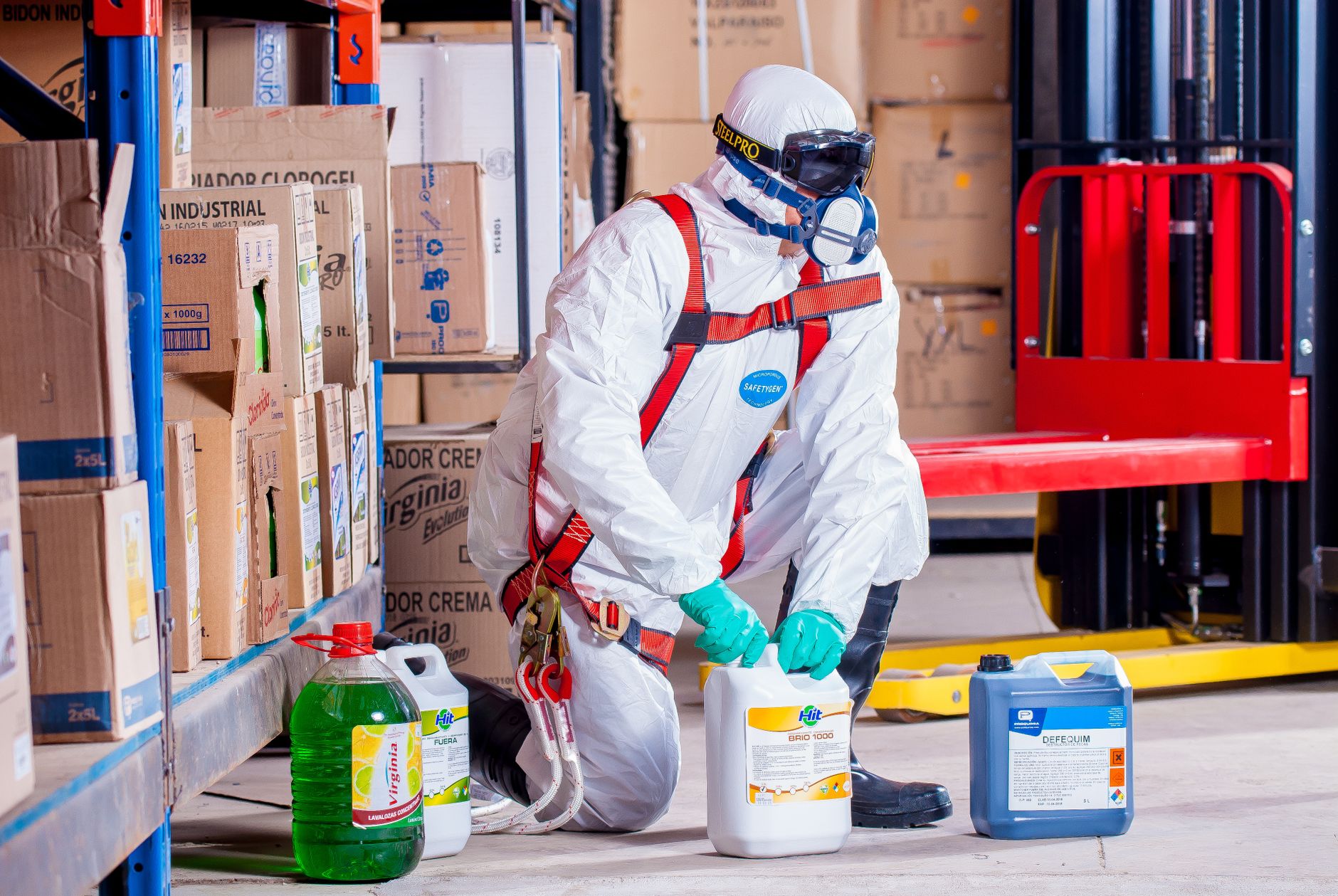
Demand was rising, but the end of the packaging line still depended on people stacking dense chemical-product containers by hand. The documented operation handled 25-pound and 40-pound pails as well as cases of quart and gallon containers, each requiring its own pallet pattern.
The labor model left little slack. The factory ran a 7.25-hour shift on five days each week with a crew of eight, and manual stacking at the former facility reached about 1,800 pails on an average day.
Management wanted capacity for growth without adding another repetitive lifting assignment. The stated objective was not to remove jobs. It was to prevent palletizing from dictating staffing as sales increased.
- Accommodate heavy pails and corrugated cases in the same cell
- Build several stable patterns across different pallet and package sizes
- Reduce strenuous, repetitive end-of-line handling
- Preserve room for greater production without immediately expanding the crew
A flexible cell replaced the fixed manual constraint
Management researched the available equipment and selected an integrated robotic palletizer because a single cell could handle both product families. An articulated arm with a vacuum end effector picked containers from above, accommodating pails, cartons, different quantities, and varied placement angles.
Accumulation conveyors queued product from separate infeed lines. The guarded cell positioned empty pallets, built the programmed loads, and released completed pallets for automatic wrapping and forklift transfer.
Adoption continued after the initial installation. Employees were deliberately brought into the change, and the crew later reconfigured a heavily manual secondary line to feed the palletizer. That sequence amounted to a practical phased rollout, with capability extended after the core cell was already producing.
The source does not describe a formal training curriculum. It does show that the integration partner provided design, integration, and support, while employees developed enough command of the equipment to extend its use themselves.
- Document every container, pallet, build pattern, and production rate
- Choose handling hardware that can serve pails and cases without separate palletizers
- Integrate conveying, controls, guarding, wrapping, and forklift handoff as one operating cell
- Bring operators into commissioning and preserve clear setup responsibilities
- Extend automation to another line only after the primary workflow is established
More pails moved, with capacity still in reserve
Average daily pail palletizing rose from 1,800 to 2,800, a documented productivity gain of 55%. On a heavy day, the cell handled as many as 3,300 pails.
The palletizer processed more than 200,000 pails and 150,000 cases annually. It handled an estimated 75% of the company’s annual business volume while operating at 65% of its available capacity.
That headroom mattered as much as the immediate throughput. The plant supported moderate sales growth, avoided making manual stacking the default response to demand, and retained the ability to run both infeed lines together when greater output became necessary.
The machine is only one part of the operating system
This documented example was not a Service Robot Co. deployment. Its lesson is nonetheless clear: end of line automation succeeds when the robot, end effector, conveyors, guarding, pallet recipes, workforce preparation, and service model are engineered around the actual product mix.
Service Robot Co. is a full-service, OEM-neutral commercial robot integrator for US businesses. For a comparable plant, we can assess the application, select equipment across manufacturers, structure a purchase or robot financing for small business, and manage robot deployment and integration, training, and ongoing support through a nationwide US engineer network.
That single-vendor lifecycle is especially useful when a manufacturer is comparing palletizing robot leasing with ownership. Service Robot Co. can align the commercial structure with the workload, provide RoboCare™ service where the lease program applies, and remain the accountable contact after commissioning. One partner, one number.
Frequently asked questions
Want a robot working for you?
Tell us the job and the site. We will recommend the robot, quote the lease, and keep it serviced.