
a pediatric hospital in Los Angeles
Pediatric Hospital Case Study: 16,000+ Transport Hours Removed
A pediatric hospital in Los Angeles used humanoid delivery robots for supplies and medications, surpassing 40,000 deliveries and 16,000 hours removed.
- 40,000+
- deliveries completed
- 16,000+
- hours removed
- 3 robots
- fleet scaled to
- 10%+
- Q2 utilization rise
Based on a documented real-world deployment. Figures are from public reporting; the organization is not named.
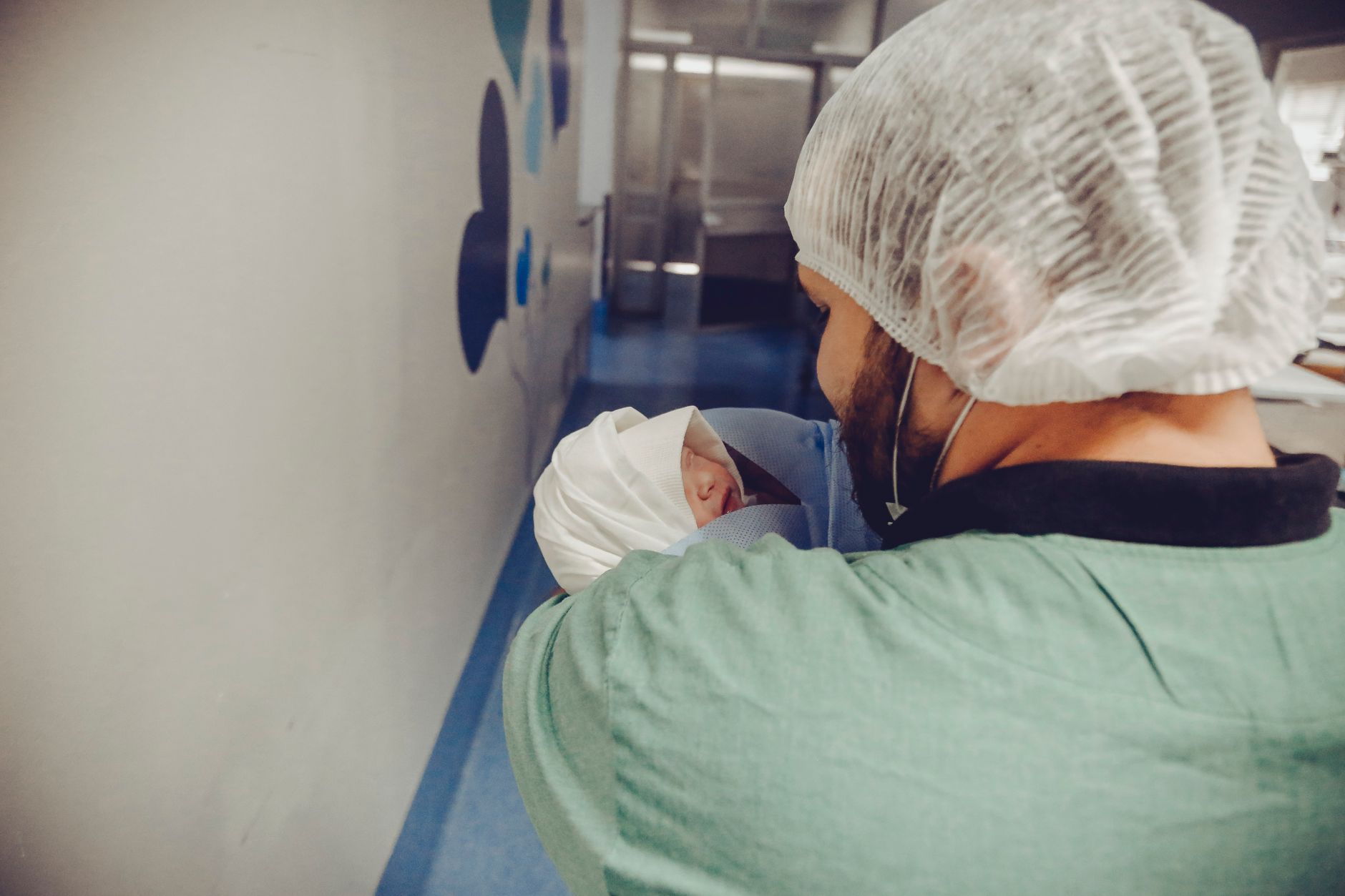
When clinical talent keeps getting pulled into corridor work
At a pediatric hospital in Los Angeles, the transport of supplies and medications was necessary, constant, and not clinical work. The public account makes the tradeoff clear. Staff time was being spent on hospital running work that had to happen, even though those same teams were needed closer to patient care and pharmacy operations.
That burden rarely looks dramatic in a single trip. It builds through repetition. Another hallway run, another handoff, another interruption. Over time, that kind of routine movement can drain attention from higher-value work even when every individual task seems small.
- Supplies and medications required repeated internal transport
- Non-clinical running work was landing on hospital staff
- The real issue was cumulative time loss, not a single delayed trip
A phased humanoid delivery robot rollout
The rollout grew in stages rather than arriving as a hospital-wide spectacle. The hospital started with two humanoid delivery robots, then expanded to three over time after early use showed the value of automating non-clinical transport.
The public release does not publish a formal training syllabus, service agreement, or route map, so this study should not pretend otherwise. What it does show is a disciplined starting point. The robots were assigned to the running of supplies and medications, and the fleet expanded only after real utilization kept climbing.
- Start with two robots on recurring internal delivery work
- Focus the use case on supplies and medications
- Add a third robot after early value is proven
- Track utilization as the program matures
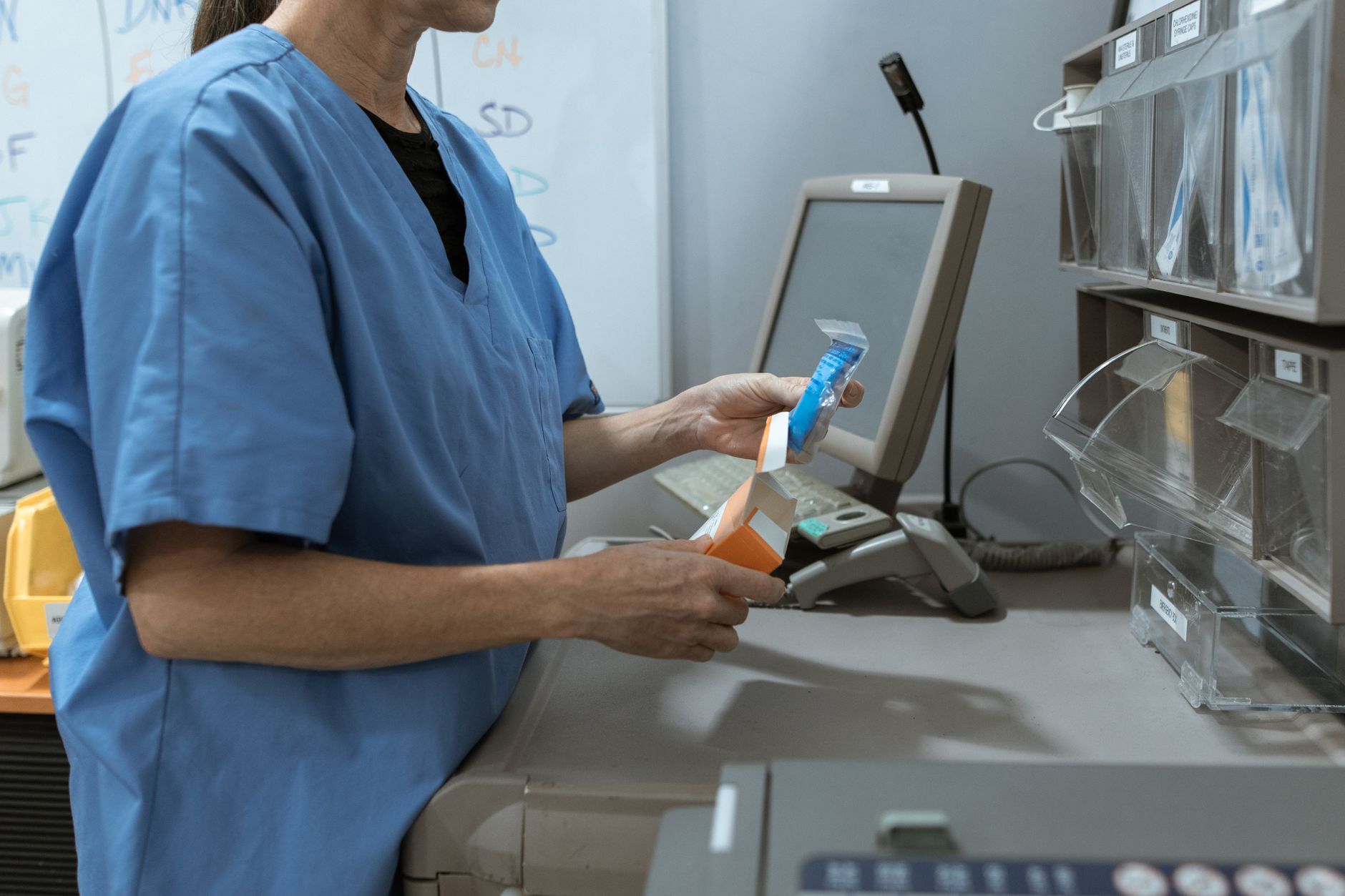
Measured relief, not abstract promise
The documented output is substantial. Since deployment, the robots have completed more than 40,000 deliveries and removed more than 16,000 hours of work that staff did not have to spend transporting supplies and medications across the hospital. That is the headline because it connects robot activity directly to labor returned.
The hospital also expanded the fleet from two to three robots over time, and utilization continued to grow, increasing more than 10% in the second quarter alone. Just as important, hospital leadership framed the benefit in operational terms that buyers care about most: nursing leaders and pharmacy teams had more room to work at the top of their skill set instead of acting as internal couriers.
What this means for Service Robot Co. buyers

This is not a Service Robot Co. deployment. It is a documented market example that shows why hospital delivery robot leasing, medication transport robot programs, and repetitive transport automation keep gaining attention in healthcare. The value sits in taking repetitive movement off scarce staff, not in dressing up a novelty machine as clinical care.
Service Robot Co. plays a different role. We are a full-service, OEM-neutral commercial robot integrator for US businesses. We select the right robots across manufacturers, then handle purchase or lease, robot deployment and integration, staff training, and service through a nationwide US engineer network.
For a hospital weighing commercial robot lease, service robot leasing, autonomous mobile robot leasing, AMR leasing, or robot leasing for business, that model matters because the hard part is rarely the hardware alone. Buyers need site assessment mapping, go live support, remote triage, on-site dispatch, and RoboCare™ service coverage under a single accountable lifecycle partner.