
a US contract finishing plant processing complex multi-coat parts
Robotic Paint Line: Up to 133% More Throughput, 35% More First-Run Good
See how a US finishing plant used a four-stage robotic paint line to lift throughput up to 133%, improve quality, and halve direct staffing.
- Up to 133%
- Reported throughput gain
- About 35%
- More first-run-good parts
- 50%
- Reported salary savings
- 10-15%
- Paint cost savings
Based on a documented real-world deployment. Figures are from public reporting; the organization is not named.
Too Many Paint Paths, Too Much Variability
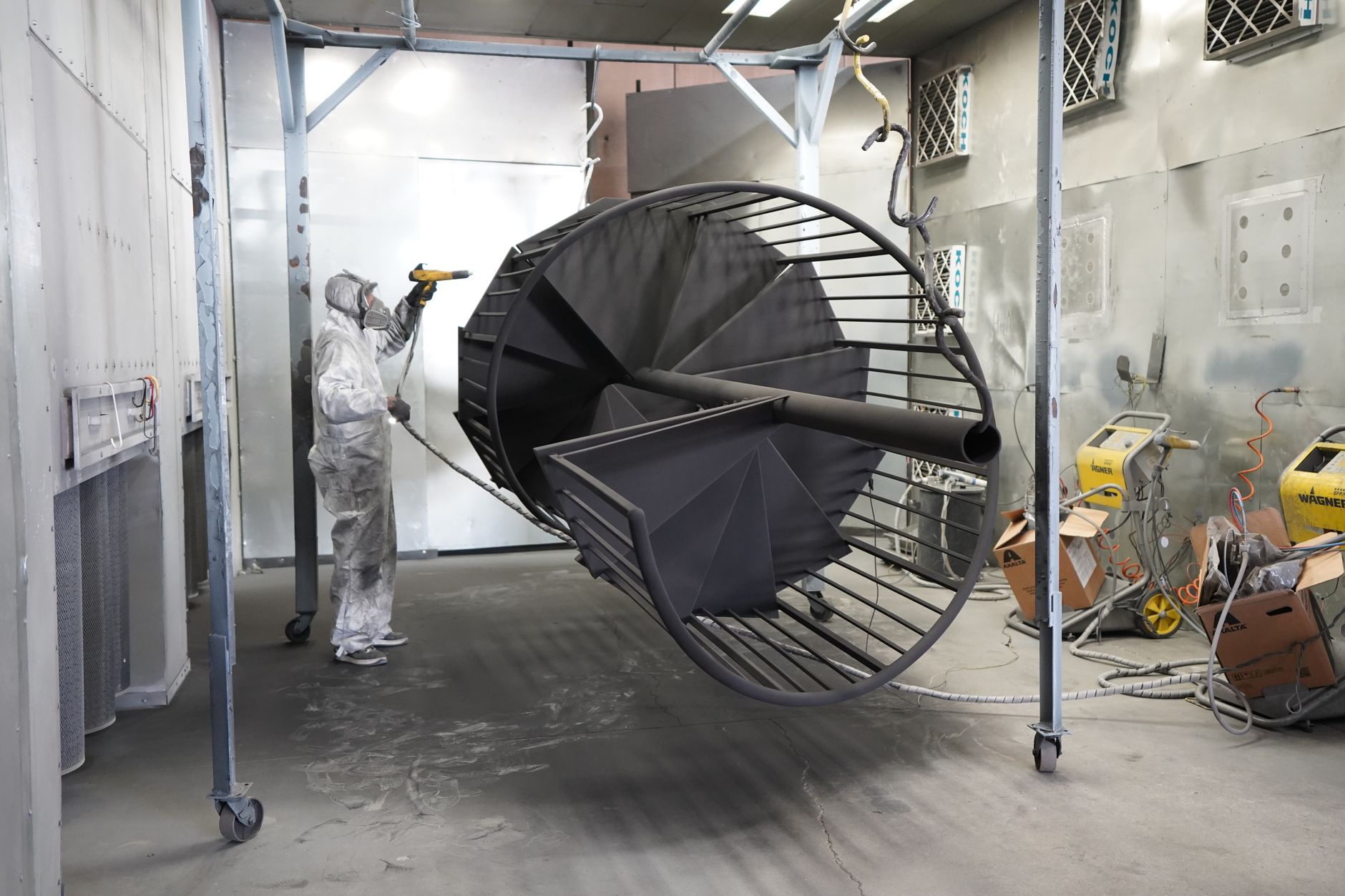
A US contract finishing plant processing complex multi-coat parts was contending with a fragmented painting operation. Four manual booths and two older automated lines created repeated transfers, process complexity and inconsistent results.
As product demands grew more intricate, rising scrap and rework compounded the pressure. Skilled labor was difficult to secure, throughput was constrained and experienced painters were tied to routine production instead of specialized customer work.
- Multiple paint stages split across separate lines and booths
- Excess handling between coating operations
- High scrap and rework levels
- Skilled labor constraints and limited throughput
One Conveyor-Fed Line for the Full Coating Sequence
Dedicated paint robots were arranged in a multi-zone, conveyor-fed line. The configuration applied primer, base coat, specialty finishes and clear coat in one pass, replacing a disjointed route with a single four-stage process.
The design reduced part transfers and established a more repeatable coating sequence. The public account does not document a phased rollout, operator training program or post-launch service plan, so none of those details is attributed to this plant.
- Consolidate four coating stages into one conveyor path
- Position application-specific paint robots across multiple zones
- Reduce transfers between booths and legacy lines
- Reserve skilled painters for specialized customer requests
Higher Output With More Good Parts on the First Run
The source reports that overall daily throughput improved about 125%. For the first reviewed part, production moved from about 150 to 175 pieces per shift to about 300 to 350, with a reported throughput increase of 133% and approximately 35% more first-run-good parts.
For the second part, sellable output rose from about 300 to 400 pieces per shift to about 600 to 700. The source reports an approximately 75% throughput gain and about 35% more first-run-good parts for that part.
The direct staffing requirement fell from six painters to three operators, reported as 50% salary savings. Paint material costs declined about 10% to 15%, while the line reportedly retained availability for about 33% more utilization.
Scrap, rework, handling and process complexity also fell, although the source provides no percentage for those changes. The disclosed ranges and reported percentage gains should be read as the source presents them, since its calculation method is not explained.
A Practical Model for Contract Finishers
This documented deployment was completed by other parties. Service Robot Co. did not run it. Its value is as a real-world example of how a robotic paint line can unite several coating stages, raise first-pass consistency and return scarce finishing expertise to demanding custom work.
For manufacturers considering robot deployment and integration, Service Robot Co. is a full-service, OEM-neutral commercial robot integrator for US businesses. We select equipment across manufacturers, finance and deploy it, handle integration and training, and service every unit through a nationwide US engineer network. One vendor covers the full lifecycle.
Frequently asked questions
Want a robot working for you?
Tell us the job and the site. We will recommend the robot, quote the lease, and keep it serviced.