a temperature-controlled third-party logistics warehouse handling chilled and frozen goods
How a Cold Chain Logistics Site Cut Manual Labor 60% With Mobile Robots
A temperature-controlled logistics warehouse reported 60% less manual labor, 30% more storage capacity, and 24/7 cold-chain operations after deploying mobile robots and lifts.
- 60%
- Labor cut
- 30%
- More storage
- 24/7
- Ops uptime
Based on a documented real-world deployment. Figures are from public reporting; the organization is not named.
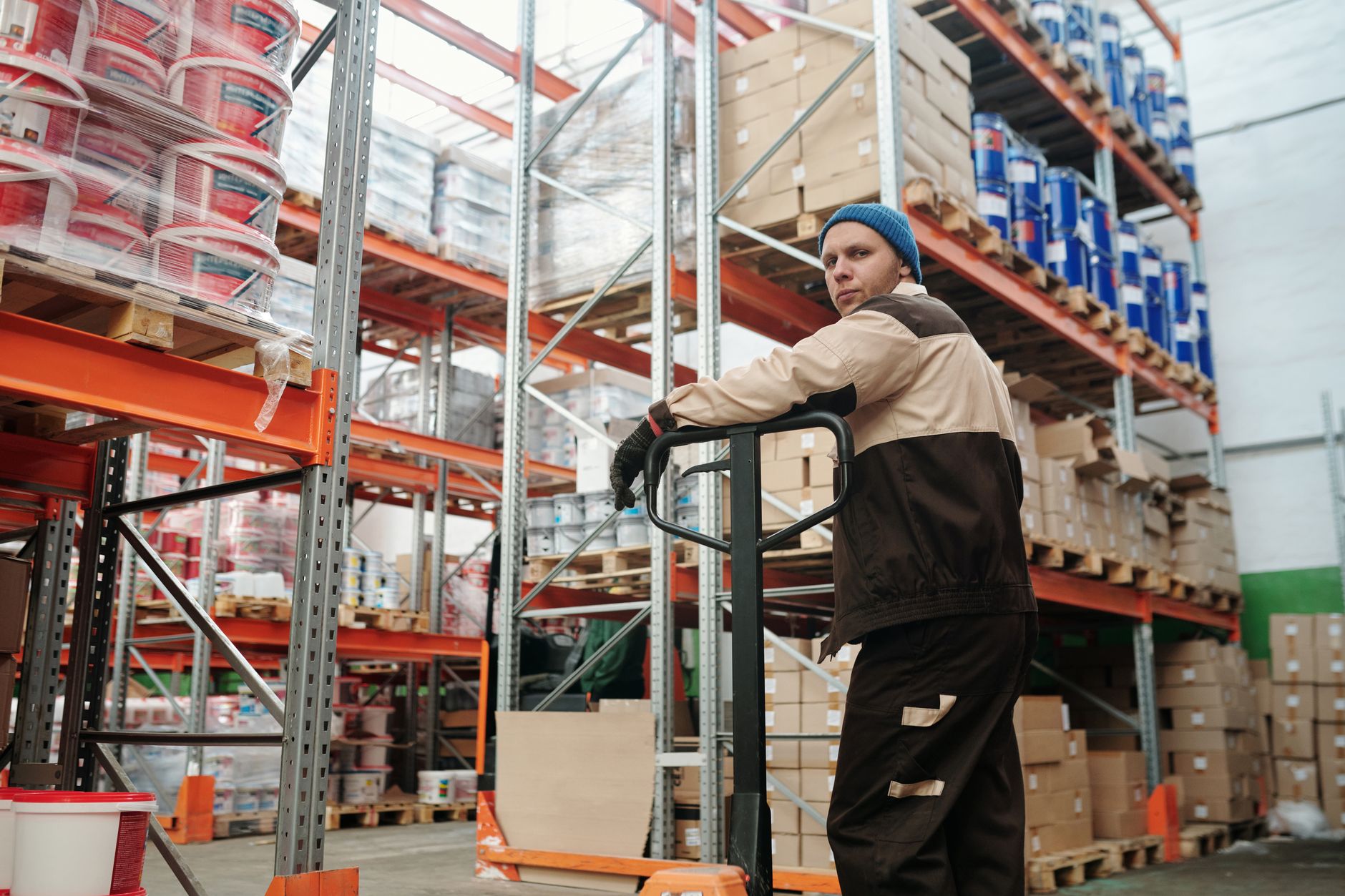
Cold rooms and rising throughput
A temperature-controlled third-party logistics warehouse faced sharper expectations on delivery speed, traceability, and hold temperatures across chilled and frozen SKUs. Manual receiving, putaway, and picking in cold zones burned labor hours and exposed staff to uncomfortable conditions during long shifts.
Leaders needed automation that could run continuously without sacrificing compliance. Repetitive pallet and tote moves between docks, storage, and sort lanes were the first targets because they consumed time but added little decision value.
- Faster fulfillment windows on perishable inventory
- Strict temperature compliance across chilled and frozen zones
- High labor intensity in cold aisles
- Limited floor space for growing SKU counts
Robots across receive-to-sort
The operator deployed autonomous mobile robots alongside low-temperature shuttle equipment and automated vertical lifts so receiving, storage, picking, and sorting could run as one coordinated flow. Software routed units to keep pallets and totes moving without crowding lift aisles.
Staff roles shifted toward exception handling, quality checks, and customer-facing coordination while robots covered the repeatable miles inside the building. Training focused on monitoring fleet health and clearing obstructions rather than pushing carts through freezer entries.
- Mapped receive, storage, pick, and sort paths for AMR fleets
- Added low-temperature shuttles and vertical lifts for dense storage
- Ran robots on schedules that support 24/7 cold-chain service
- Retrained associates for exceptions and temperature checks
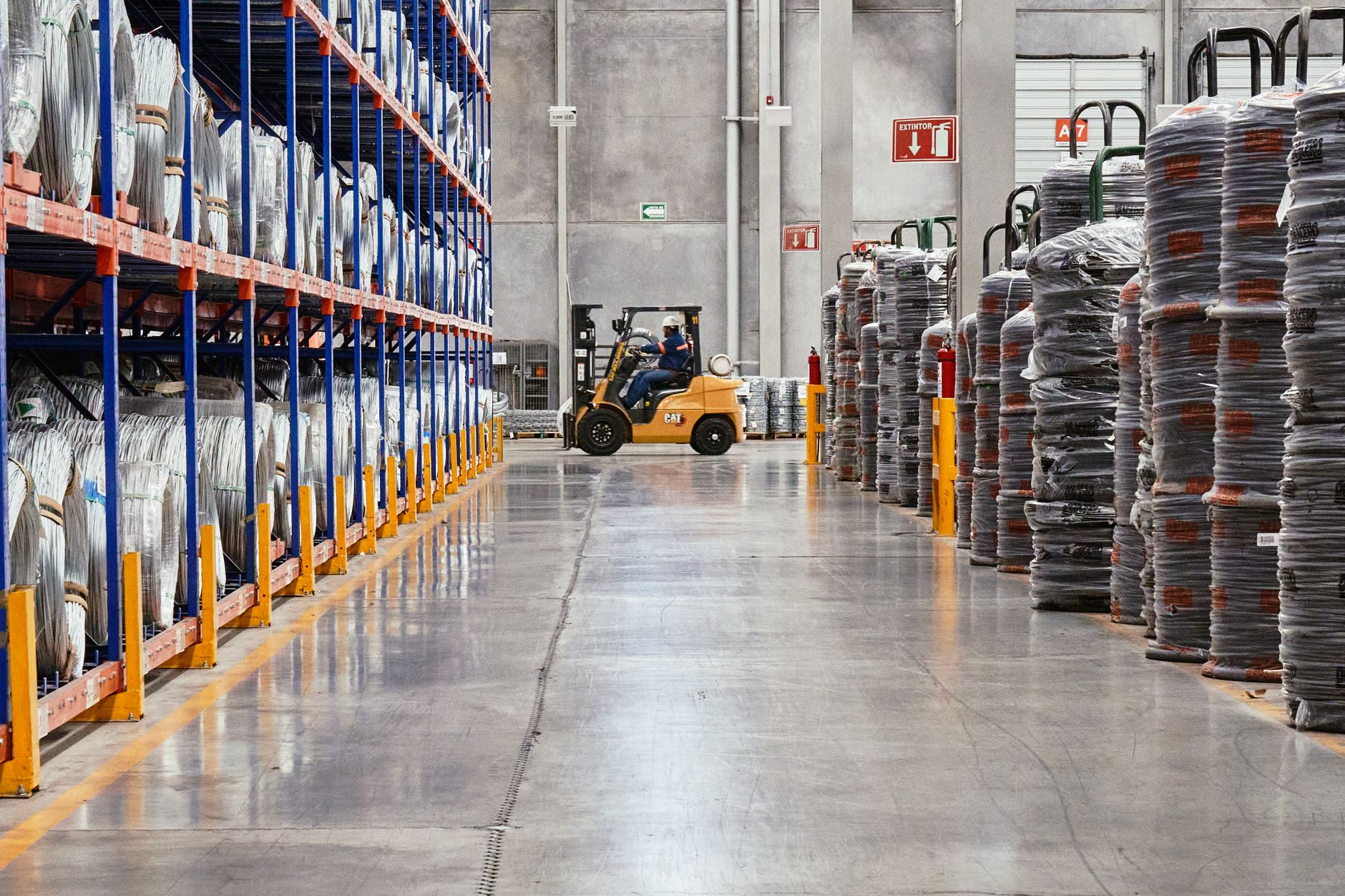
Measured gains after go-live
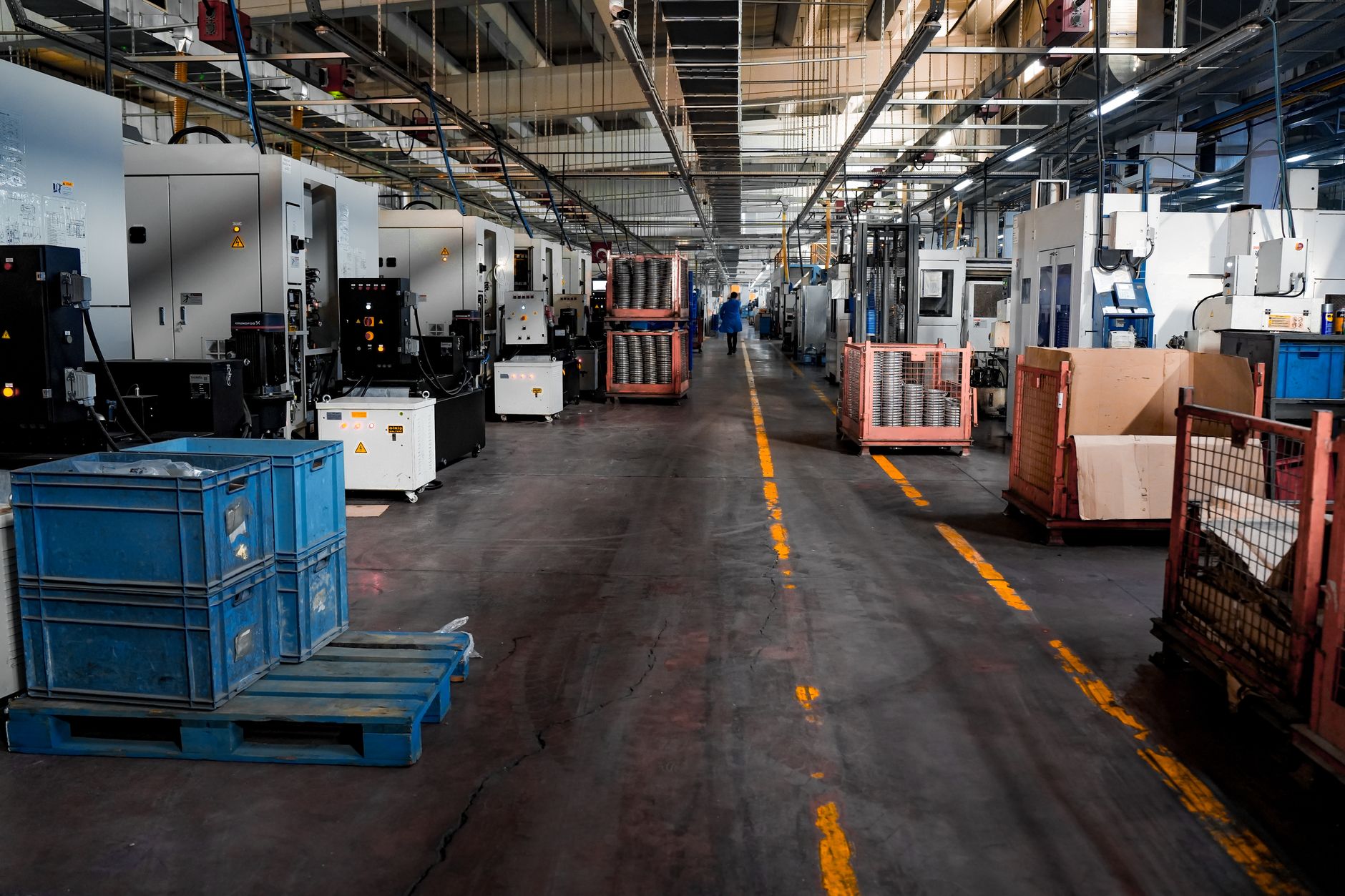
A post-deployment survey summarized in industry reporting found 60% less manual labor as automation absorbed repetitive moves. Respondents also cited 30% more storage capacity from denser slotting and lift-assisted putaway.
The same reporting noted round-the-clock operational capability and performance above expectations on order speed and labor efficiency. Staff feedback emphasized that automation freed time for higher-value tasks instead of walking frozen aisles.
Lessons for U.S. cold-chain operators
This write-up describes a documented deployment, not a Service Robot Co. customer. It still shows why vendor-neutral integrators matter when freezer miles dominate your cost structure. Cold storage punishes partial automation: if only the dock is manual, pickers still freeze while totes wait.
Service Robot Co. helps U.S. businesses compare warehouse robot rental and AMR pallet mover programs with monthly payment options when a chilled pilot beats a capital freeze. Site assessment, phased deployment without shutdown, and maintenance included plans with nationwide on-site dispatch keep one partner accountable from demo through night-shift autonomous transport.