a Midwest wholesale distributor with roughly 60 to 70 warehouse associates and tight 56-inch aisles
How a Collectibles Wholesaler Absorbed 6–7× Peak Pallet Volume Without Adding Staff
A Midwest wholesaler phased in pallet AMRs, ran them nearly 24/7, and absorbed 6–7× peak volume while freeing one to two transport roles.
- 6–7×
- peak volume
- 1–2
- roles freed
- 24/7
- runtime
- 56 in
- aisle width
Based on a documented real-world deployment. Figures are from public reporting; the organization is not named.
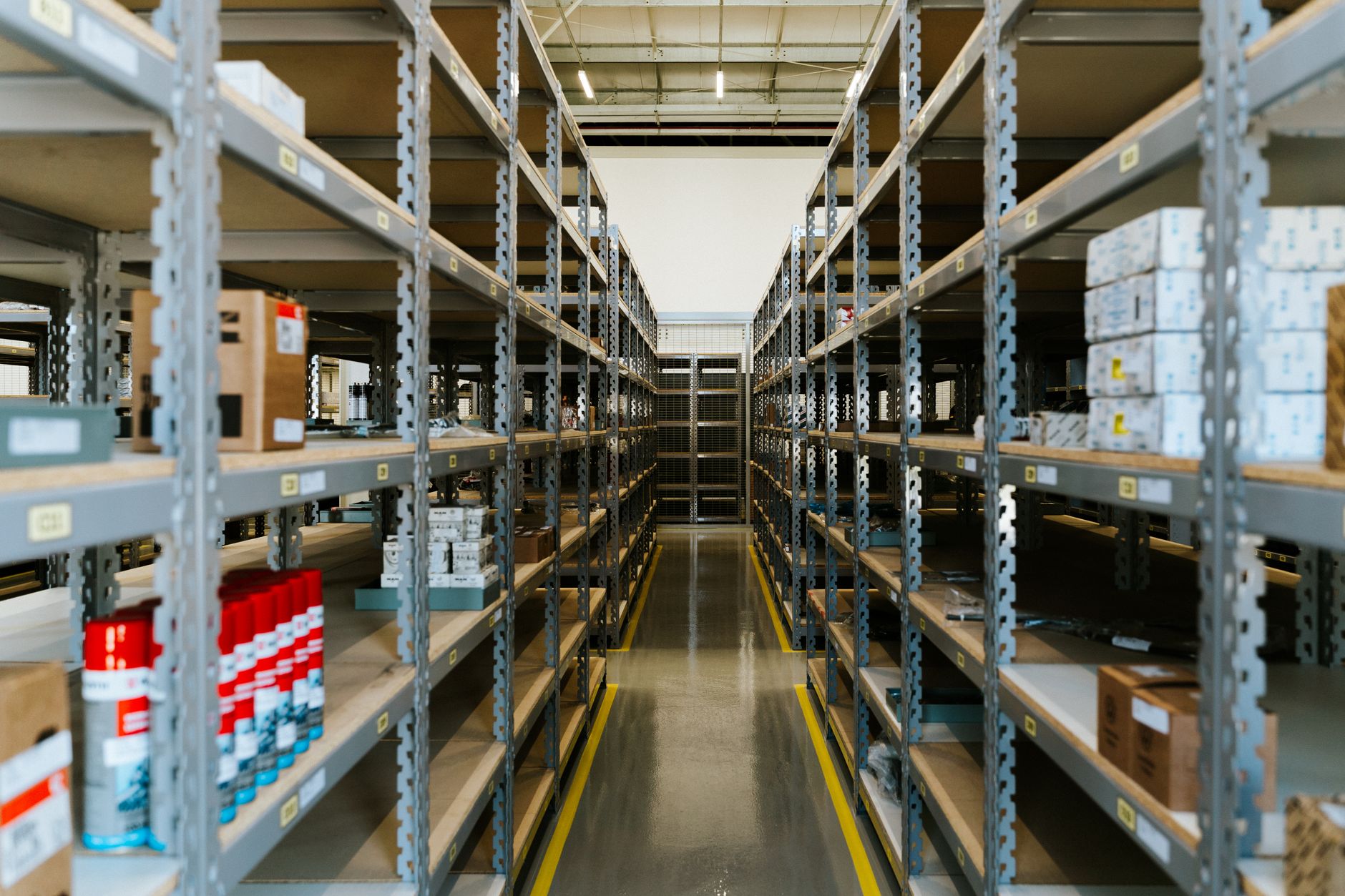
Walk time ate shifts in a brownfield wholesale building
This Midwest wholesale distributor runs packing aisles, staging lanes, and carrier-specific dock doors in a building with 56-inch aisles and short cross-aisles.
Associates spent long shifts pushing carts and pallets between packing, staging, and trailers. That walk time stacked across 8, 10, and 12 hour shifts, pulling people off value-added work right when seasonal collectibles volume spiked.
- Repetitive pallet moves between packing, staging, and dock doors
- Seasonal peaks that swing pallet volume six- to seven-fold
- Narrow aisles and tight dock plate transitions with tall, taped loads
- A 60 to 70 person roster with little room to add overtime headcount
Phased AMR rental starting with carts, then pallet hauls
Leadership started with collaborative transport robots on cart loops, then added autonomous pallet movers for inbound trailers, staging, and dock assignments without rebuilding the warehouse.
Routes were mapped for UPS and FedEx doors, 8-foot cross-aisles, and 36-inch dock plates while keeping smooth acceleration for stacks up to about 7 feet tall. Operators trained on launch, charging breaks, and assist during peak.
- Pilot cart transport on the busiest packing loops
- Expand to outbound staging-to-dock pallet moves
- Run units nearly around the clock with brief charging windows
- Keep humans on exceptions, unstable loads, and customer-facing tasks

Peak volume absorbed with steadier associate workloads
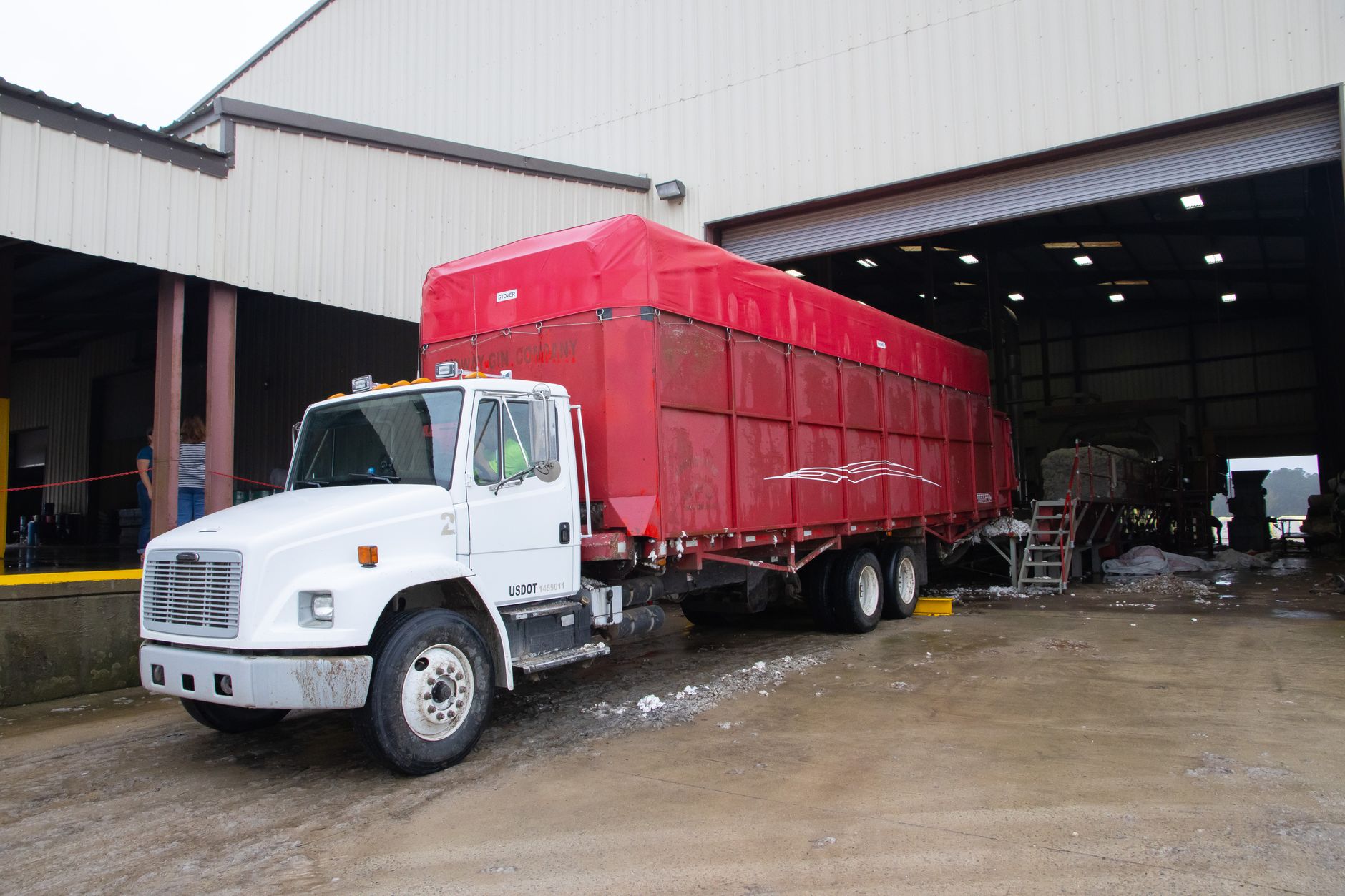
Published reporting says the robots run nearly 24/7 aside from short charging intervals, covering shifts that would otherwise need extra staffing or overtime.
In a 60 to 70 person building, leadership reallocated about one to two headcount from repetitive transport into value-added roles while absorbing six- to seven-fold pallet volume during peak season without proportional hiring.
What US distributors can copy with warehouse robot rental
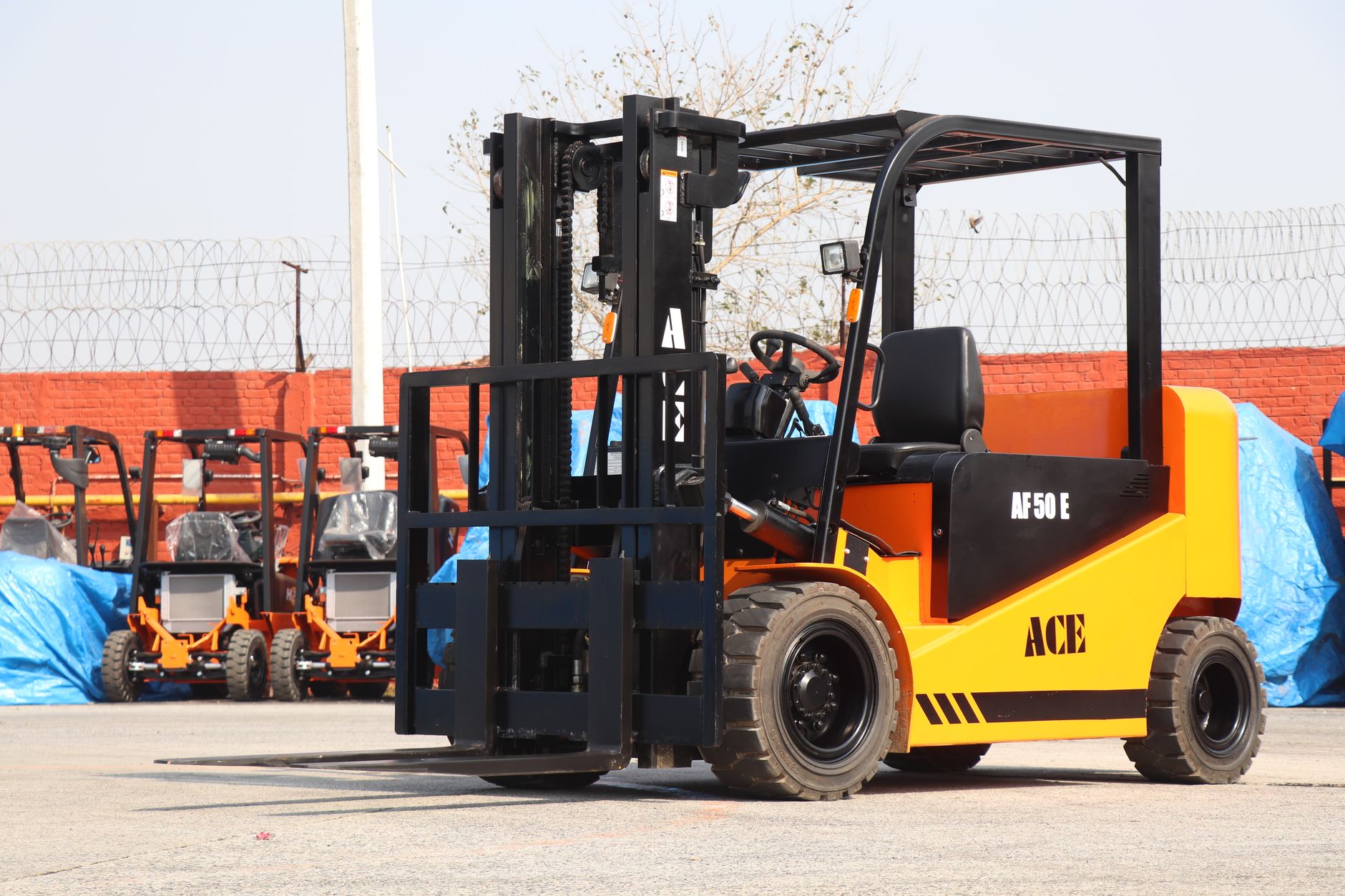
This story describes a documented Midwest wholesale deployment analyzed for readers, not a Service Robot Co. customer account. It still shows how phased AMR pallet mover rental can tame walk time in tight brownfield aisles.
Service Robot Co. offers vendor neutral warehouse robot rental and material handling robot rental with site assessment mapping, training, and a nationwide network of regional service engineers on one contract.