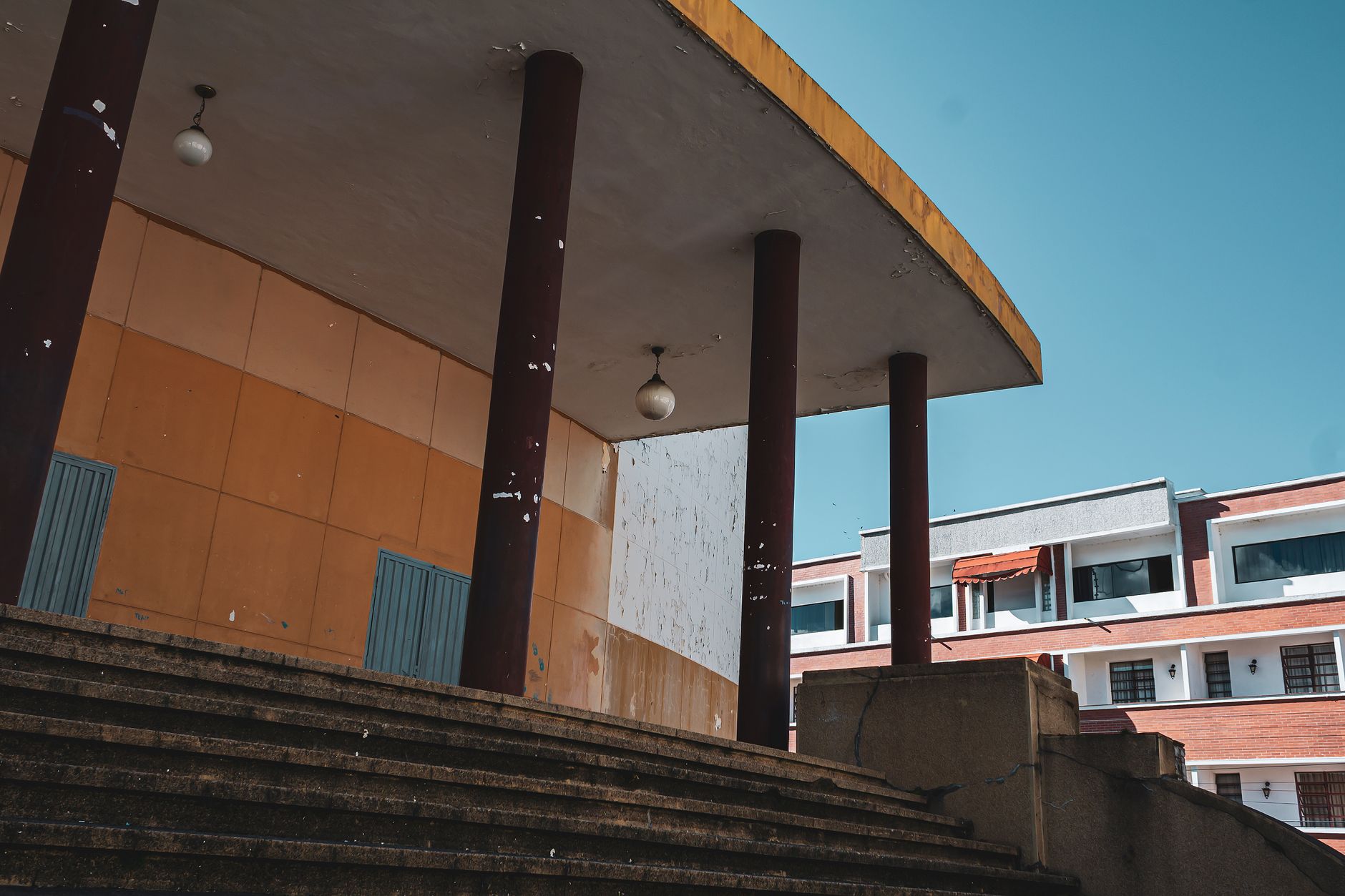
a large urban public school district in Colorado with more than 200 schools
How a Colorado School District Reclaimed 35 Labor Hours Daily With Robotic Scrubbers
A Colorado public school district deployed 23 autonomous scrubbers and reclaimed nearly 35 labor hours daily while scrubbing millions of square feet for 90,000 students.
- 35 hr
- Daily savings
- 23
- Robots
- 21k sf
- Per shift
- 16M sf
- District
Based on a documented real-world deployment. Figures are from public reporting; the organization is not named.

Sixteen million square feet and a thin bench
A large urban public school district in Colorado with more than 200 schools serves about 90,000 students across more than 16 million square feet of floors. Custodial teams must keep buildings healthy and presentable while staffing shortages push other maintenance tasks to the back of the queue.
Leadership wanted technology that could add autonomous run time without pretending one machine replaces every custodian. The question was whether a fleet could return measurable hours district-wide.
- Urban campuses with long hard-floor corridors
- Pressure to maintain cleanliness during staffing gaps
- Need for proof before scaling beyond early adopters
A phased fleet across buildings
Between 2021 and 2024 the district purchased and deployed 23 autonomous scrubbers according to the published manufacturer case study. Teams started with buildings that had predictable routes and expanded as operators became comfortable supervising autonomous runs alongside day cleaning.
Each unit was expected to scrub autonomously for about 90 minutes per day. Supervisors tracked square footage and run time so facilities leaders could compare buildings on the same dashboard.
- Pilot buildings with clear hard-floor loops
- Train custodial leads on autonomous start and recovery workflows
- Review daily coverage before adding additional units
Documented autonomous hours and coverage
Tennant reports the 23 machines clean autonomously about 90 minutes each day, which totals nearly 35 labor hours per day across the fleet. During that window each unit scrubs an average of nearly 21,000 square feet.
Since the initial rollout the district logged more than 8,000 hours of autonomous runtime and scrubbed more than 104 million square feet according to the same source. Leadership ordered nine additional units after the first 14 proved their daily run pattern.
What multi-site districts can borrow
This program was run by the school district and documented by the equipment maker, not by Service Robot Co. The lesson is that fleet scale matters: many modest autonomous blocks add up to a full workday of labor returned.
Service Robot Co. helps U.S. education and contractor teams compare autonomous floor scrubber buy or lease paths across manufacturers, then finance, deploy, integrate, train, and service units through RoboCare and a nationwide network of regional service engineers. A free site assessment can show which campuses should lead a pilot before you standardize on a district template.