
a building-services contractor serving commercial clients
Commercial Cleaning Case Study: Efficiency Up 25%
A building-services contractor serving commercial clients used a cleaning robot to raise efficiency 25%, keep 100% retention, and add sanitizing work.
- 25%
- higher efficiency
- 100%
- customer retention
- 2
- added service types
Based on a documented real-world deployment. Figures are from public reporting; the organization is not named.

Margin pressure met rising expectations
In contract cleaning, the hardest hours are often the least differentiated. Repetitive floor-care work consumes labor, wears crews down, and still leaves the contractor needing to prove cleaning quality to commercial clients. The published case study says this operator was grappling with worker fatigue from repetitive tasks and with the challenge of quantifying cleanliness for customers.
Those pressures intensified during COVID-19, when cleaning expectations rose and clients wanted clearer evidence that work had been completed thoroughly. The contractor needed a way to protect margins, preserve service standards, and make room for disinfecting and sanitizing work without letting variable labor costs swell.
- Repetitive cleaning tasks were wearing on crews.
- Customers wanted proof of clean, not just a verbal assurance.
- Pandemic-era cleaning demands raised the bar for thoroughness and documentation.
Automation targeted the repetitive part of the route
The public summary does not disclose the full procurement, training, or service playbook, so those details are not claimed here. What it does show is the operating logic: automate certain repetitive cleaning tasks, keep the crew in place, and redirect human effort toward higher-touch work.
The other critical layer was documentation. The source says the program provided proof of clean, which suggests the robot was not just a labor tool but a reporting tool as well. In commercial cleaning, that shift matters because client confidence often rests on evidence as much as effort.
- Assign the robot to repetitive floor-care work first.
- Move recovered labor into disinfecting, sanitizing, and detail tasks.
- Use proof-of-clean records in customer reporting.
- Judge the program by efficiency, productivity, and retention, not novelty.
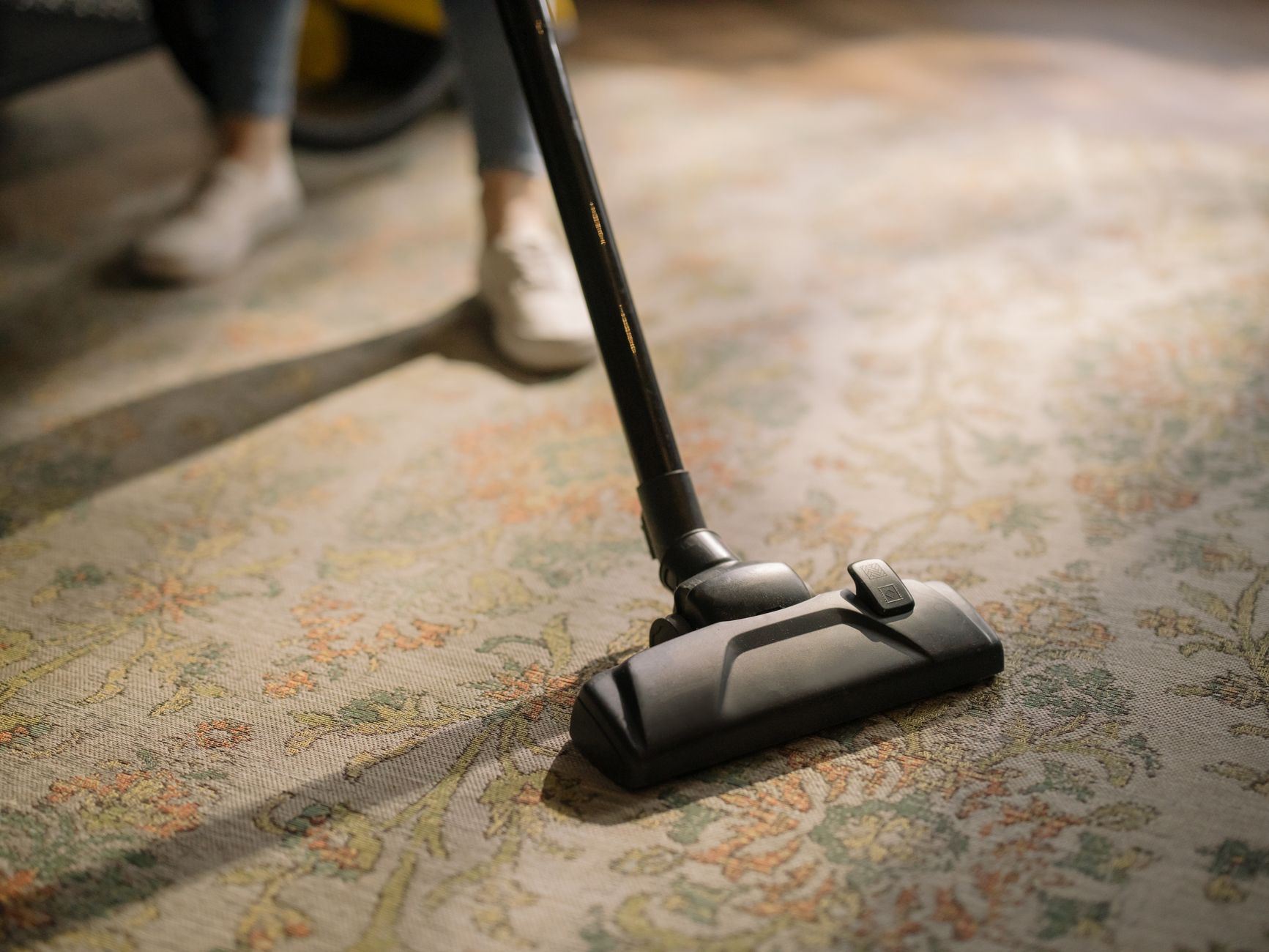
Measured gains showed up in efficiency and retention
The documented headline outcome was a 25% increase in efficiency. The same source says the contractor maintained 100% customer retention after deployment, which is a hard commercial result in a business where service lapses show up quickly in renewals.
The gains were broader than speed. The program also boosted cleaning crew productivity, enabled additional disinfecting and sanitizing services, and gave customers proof of clean. Put simply, the robot absorbed repetitive work so the crew could spend more time on the tasks that defend quality and strengthen the account.
What this means for Service Robot Co. buyers

This is a documented market example, not a claimed Service Robot Co. deployment. Its value lies in the pattern: a cleaning robot can create room for better labor allocation, cleaner reporting, and steadier retention when the work is repetitive and the client expects visible proof.
That is where Service Robot Co. fits. As a vendor neutral robot integrator, Service Robot Co. helps buyers assess commercial cleaning robot leasing, and robot leasing for business options, then handles robot deployment and integration, team training, and service through one partner. For firms that want RoboCare™ service, a free site assessment, and one partner one number instead of a vendor chain, that model keeps the buying process grounded in operations.