
a commercial landscaping company
A Commercial Landscaping Company Puts a Full Season of Mowing on Robots
A commercial landscaping company runs robotic mowers through a full season, with coverage tracked acre by acre and robot leasing options laid out.
Deployment at a glance
- 1 season
- Full mowing season run on robotic mowers
- Acres
- Mowed coverage tracked as the headline capacity measure
- Autonomous
- Routine turf cutting handed to autonomous mowers
Based on a documented real-world deployment. Figures are from public reporting; the organization is not named.
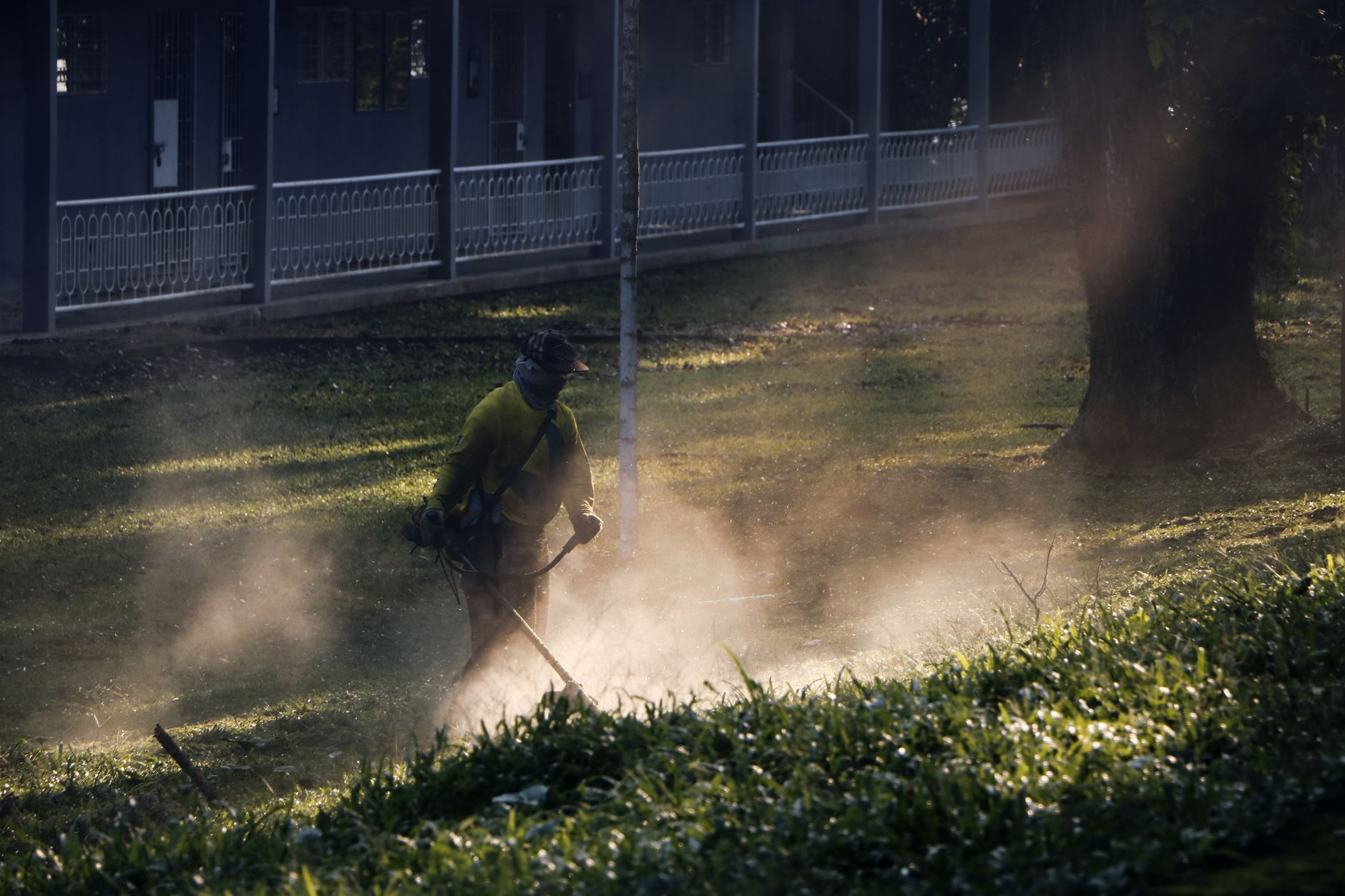
Growing acreage, the same crew
Grounds work runs on a calendar that does not bend. Mowing demand arrives in the spring rush and keeps coming through the growing months, and every contracted acre has to be cut on time or the account feels it. When a landscaping business adds acreage, the mowing calendar stretches faster than the crew can cover it.
Routine cutting is also hard to staff. The work is repetitive, long, and physically draining, and skilled hands are easy to lose to jobs that pay more or feel lighter. Operators who want to add acreage without adding headcount need capacity from somewhere other than more people in the mower seat.
- Mowing windows that close with the weather
- Repeat passes across large open turf
- Acreage that grows faster than the team mowing it
Robotic mowers take the routine cutting
The company treated autonomous mowing as a capacity decision before it was a technology decision. Routine, repeatable cutting went to robotic mowers, while crews kept the edges, the problem areas, and the jobs that still need a person on site. Drawing that line early kept the season manageable.
A rollout like this usually follows a clear sequence, from the first site walk to a full season of supervised runs. Each step narrows the gap between what the mowers can do and what the crew expects from them.
- Walk each property and map boundaries, obstacles, and slopes before any mower goes out
- Start with the simplest turf and add zones as the crew builds confidence
- Train crew leads to supervise runs, reroute mowers, and recover from stops
- Set a service plan with on site dispatch and remote triage for faults
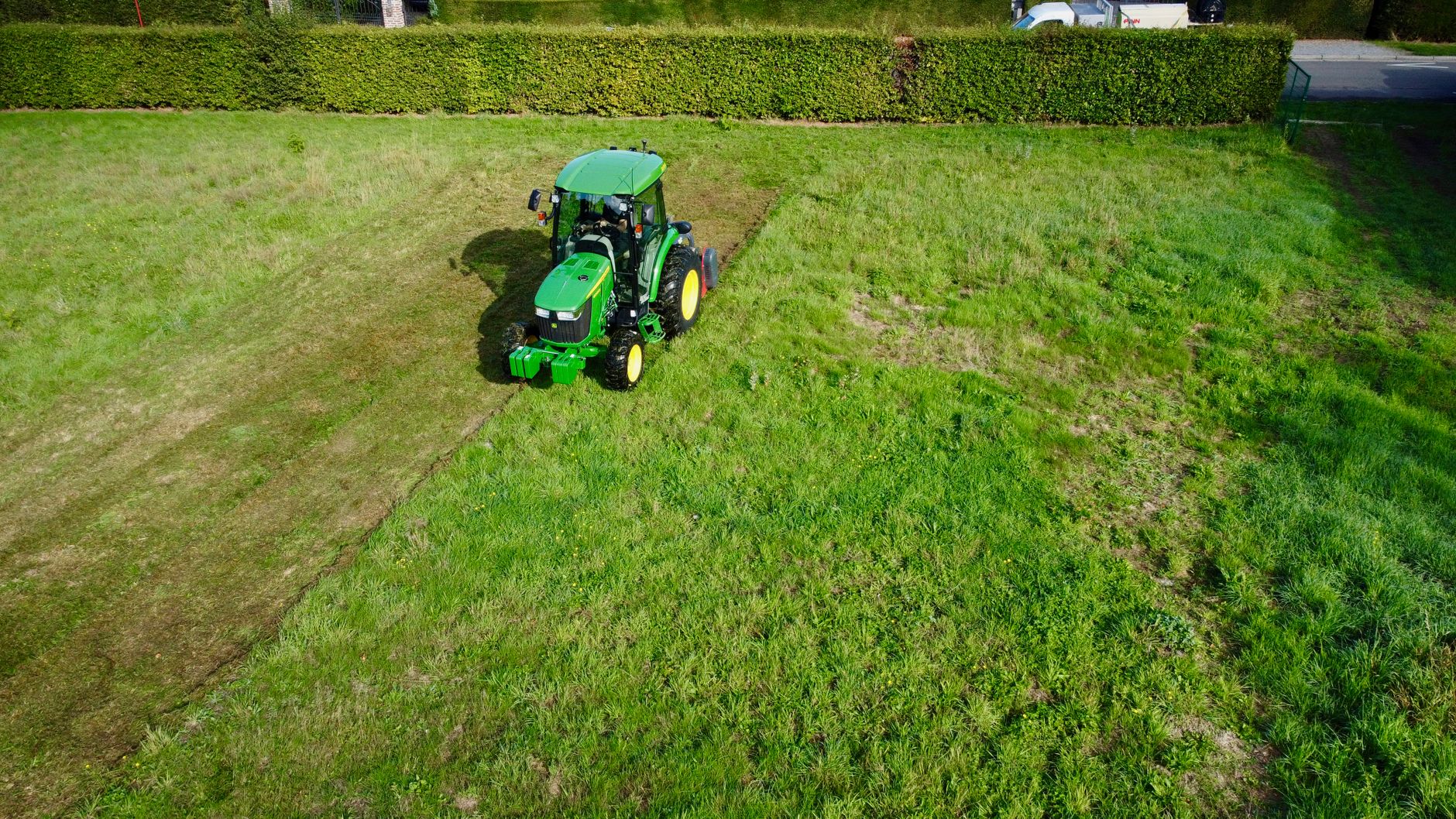
What a full season of coverage shows
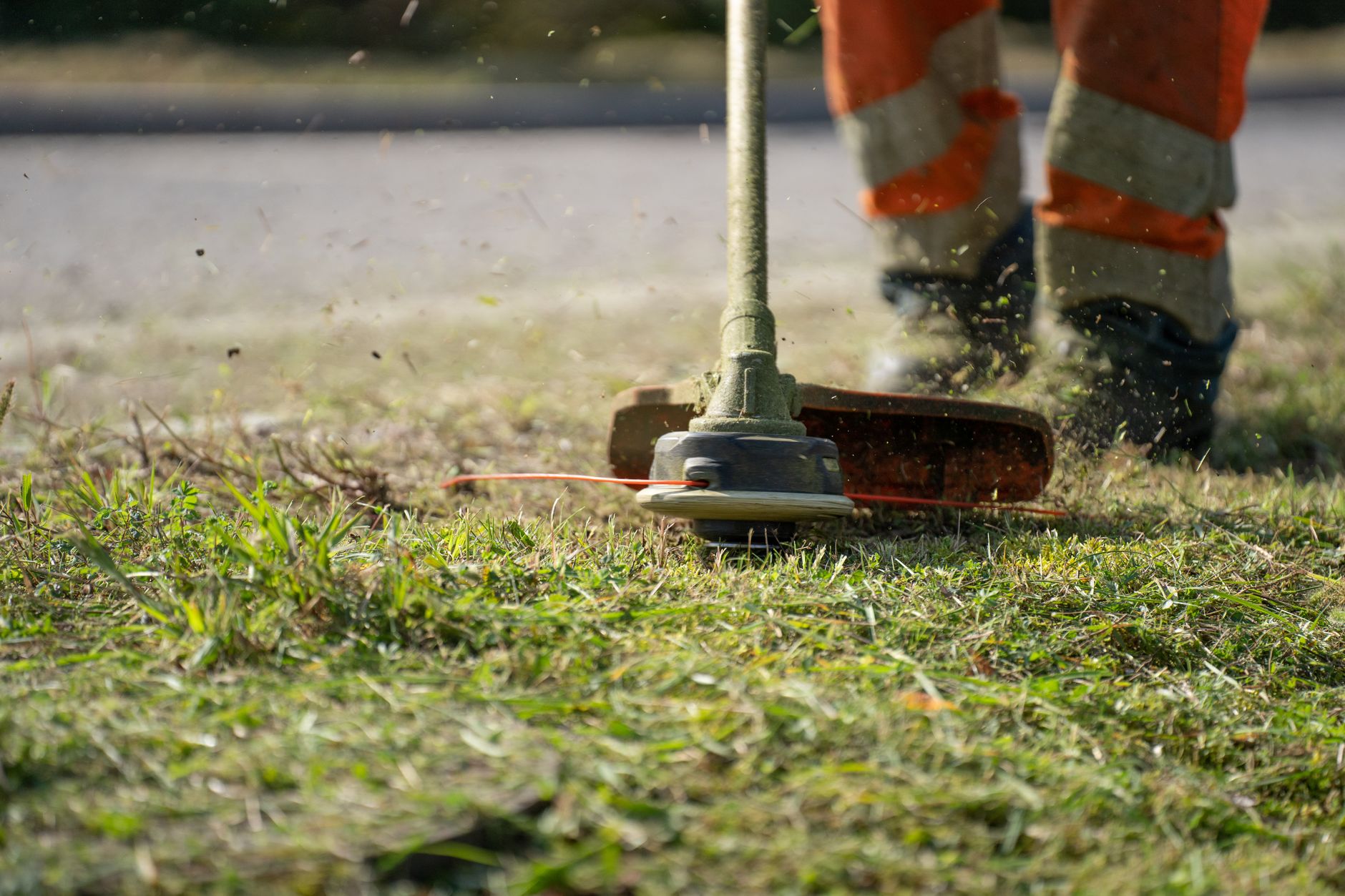
The headline result is coverage. Across one mowing season the company ran autonomous mowers over a large acreage, and that acreage is the number the operation plans around. Measured that way, the story is capacity: how much ground the fleet could hold on schedule through the season.
Crew time shifts too. With routine turf on autonomous mowers, people spend more of the day on edging, problem spots, and the work that needs judgment on the ground. That shift in where hours go is the change most worth watching in a deployment like this.
What this means for grounds teams weighing robots
Service Robot Co. is a vendor neutral robot integrator for US businesses. We select the right robots across manufacturers, then finance, deploy, integrate, train, and service each unit through a nationwide US engineer network, so one partner covers the whole lifecycle. Our robots are leased on a three year lease, with one fixed robot lease payment quoted after a site assessment.
A grounds team weighing commercial robot leasing for mowing should start with that site assessment, since slope, boundaries, and turf condition decide which robot lease options fit. From there, robot deployment and integration, go live support, and a robot maintenance service plan with on site dispatch and remote triage keep the season running. Service terms are set before the first run.
Frequently asked questions
Want a robot working for you?
Tell us the job and the site. We will recommend the robot, quote the lease, and keep it serviced.