
a commercial landscaping contractor with mowing contracts on client grounds
A Commercial Landscaper Runs Robotic Mowers on Client Grounds
How a commercial landscaping contractor runs robotic mowers on client grounds, what 1,164 vendor reported autonomous acres mean, and how crews supervise.
Deployment at a glance
- 1,164
- acres mowed autonomously, vendor reported
- 1
- crew member watching the mower while doing other work
- 1
- autonomous mower running on a live client contract
Based on a documented real-world deployment. Figures are from public reporting; the organization is not named.

Mowing that has to look finished on every visit
Commercial mowing is judged by the client who drives past the property. Every site brings its edges, slopes, planting beds and traffic, and the crew holding the contract answers for how the grounds look on the day.
For a commercial landscaping contractor with mowing contracts on client grounds, the work is repetitive and demanding, and it competes for the same people who handle edging, trimming and cleanup. Each hour a crew spends pushing a mower is an hour taken from tasks a machine cannot easily take over.
- Mowing takes crew time that edging, trimming and cleanup also need
- Each client property has its own edges, slopes and obstacles
- Clients expect the same finish on every visit, whatever the weather or staffing
Autonomous mowers on live contracts with one supervisor
The contractor put robotic mowers to work across its client properties and kept crews in charge of every site. The autonomous mower runs its route while a crew member stays close enough to supervise, and that person keeps working on other tasks nearby.
The autonomy software handles the moving parts that matter on a live lawn, including real time obstacle avoidance and switching between manual and autonomous modes. When a job needs a person at the controls, the crew switches to manual and then returns the mower to autonomous operation.
- One crew member supervises the autonomous mower while working other tasks
- Manual control stays ready for jobs that need a person at the controls
- The autonomy software logs mowing days and acreage for the contract record
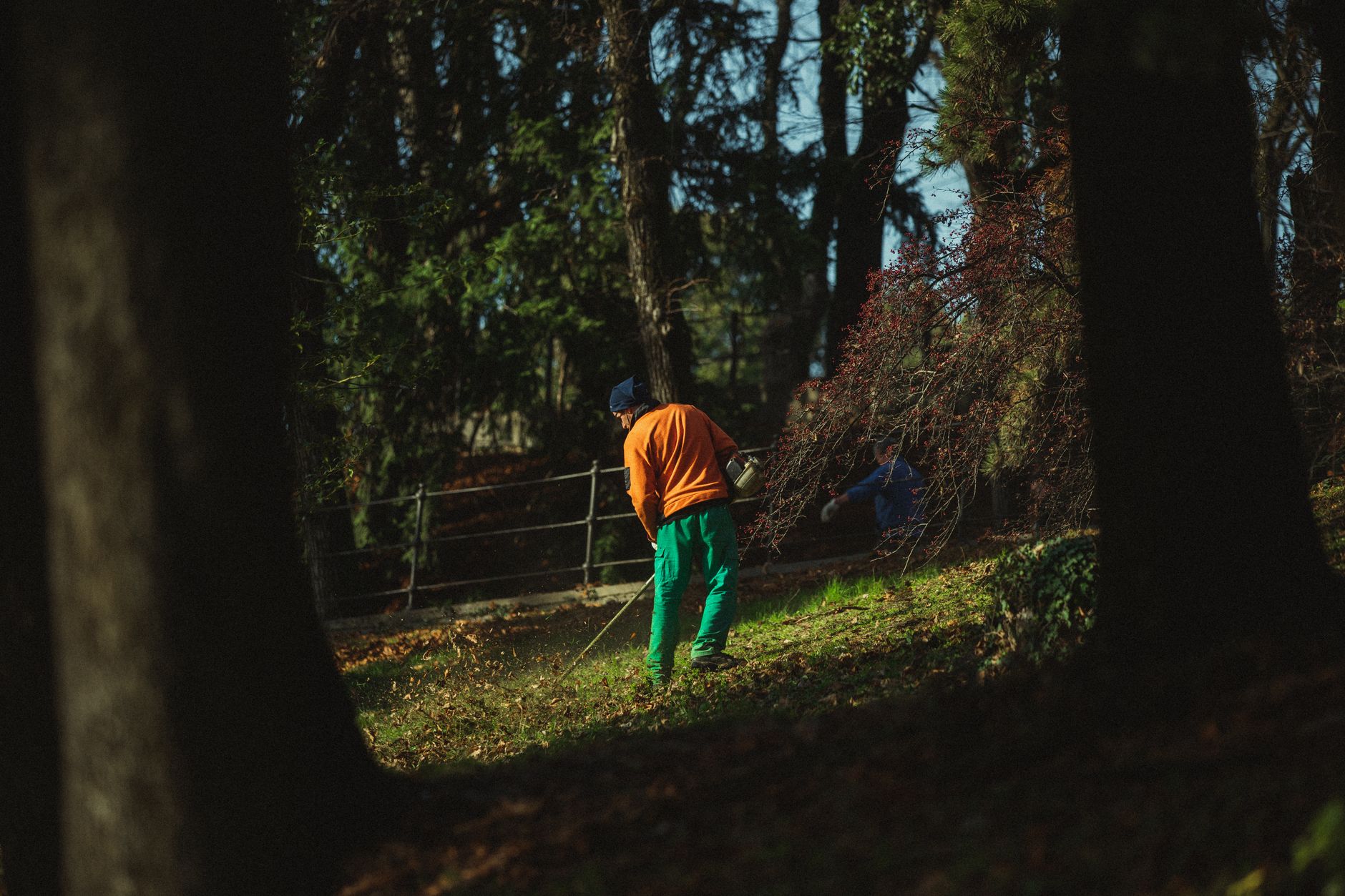
Acreage on record and what supervision looked like

The autonomous mowing record stands at 1,164 acres. The autonomy software vendor reported that figure from customer data it holds, not from an audited crew hour log, so it is best read as the vendor's count of autonomous acres on live contracts.
Day to day, supervision is a light but real duty. One crew member oversaw the autonomous mower while doing other work, and that is the part of this story crews tend to ask about first.
Labor savings are not the headline here. What this contract shows is how a crew can run autonomy on live client grounds without the mower turning into a second job.
What this means for a grounds operator considering robots
Service Robot Co. is a full service, OEM neutral commercial robot integrator for US businesses. We select the right robots across manufacturers, then finance, deploy, integrate, train and service every unit through a nationwide US engineer network, so one vendor covers the whole lifecycle.
This case study describes a documented deployment that we analyze. Service Robot Co. did not run it. The questions it raises are the ones a grounds operator should settle before any mower goes out: which properties suit autonomy, who supervises, and how service keeps a unit working when a client is waiting.
Robot lease options start with a site assessment. A three year lease is quoted as one fixed robot lease payment after that assessment, so the decisions about grounds and supervision come before the decision about cost. Commercial robot leasing follows the same path for a mower as for the other service robots we finance and deploy.
Frequently asked questions
Want a robot working for you?
Tell us the job and the site. We will recommend the robot, quote the lease, and keep it serviced.