
a 60-employee commercial laundry outside Munich
Laundry-Handling Robots Prepare Up to 700 Towels per Hour
A 60-employee commercial laundry outside Munich used two vision-guided robotic cells to prepare up to 700 towels per hour for folding and relieve a staffing bottleneck.
- 700/hr
- Towels readied for folding
- 2 cells
- Vision-guided feed cells
- 60 staff
- Employees at the site
Based on a documented real-world deployment. Figures are from public reporting; the organization is not named.
Where the Line Still Needed Hands
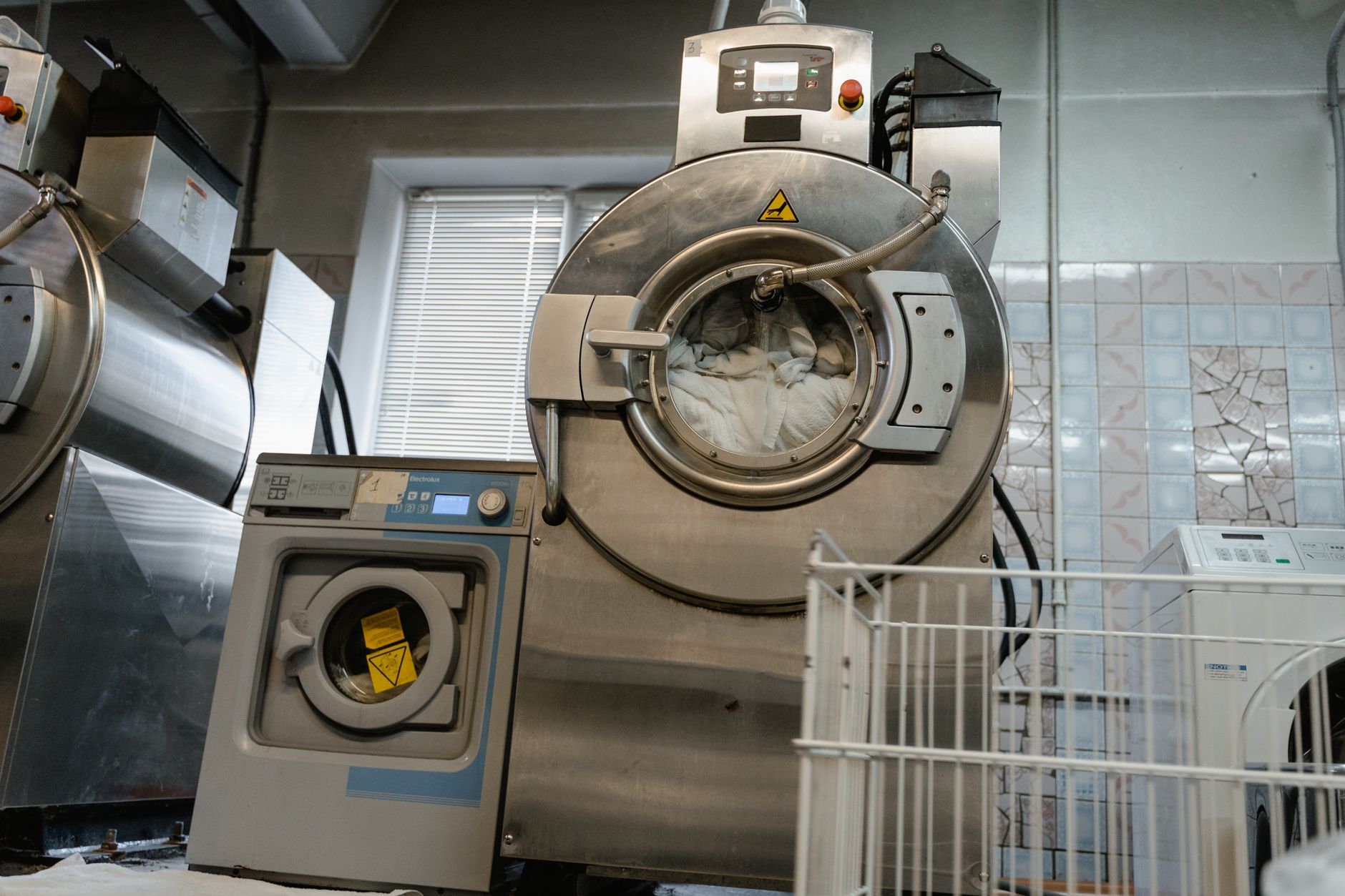
This operation had already automated much of the heavy lifting in washing and drying, but the feed into folding still depended on people. Clean towels had to be loaded into folding machines and spread out without wrinkles, which kept a repetitive manual task sitting in the middle of an otherwise mechanized flow.
That gap mattered because the laundry was working under a severe staffing shortage. In a business where incoming work typically has to be cleared the next day, a hand-fed bottleneck does not stay small for long. It drags on throughput, scheduling, and labor planning all at once.
- Loading folding machines remained repetitive manual work.
- Towels needed to be presented flat and without wrinkles before folding.
- Staff shortages made that station harder to cover consistently.
How the Bottleneck Was Automated
The fix was targeted, not wholesale. Two automated cells were introduced to prepare washed and dried towels for folding, using vision guidance to identify individual pieces and feed them forward in a controlled way.
In each cell, one robot picks a towel and places it onto a conveyor. A second robot takes that towel at the next station and places it into opposing grippers, which pull it fully open so the folding machine receives a properly presented item instead of a crumpled handoff.
- Vision guidance identifies and picks individual towels.
- A conveyor transfers each towel to a second robotic station.
- Opposing grippers extend the towel before folding.
What Changed on the Floor
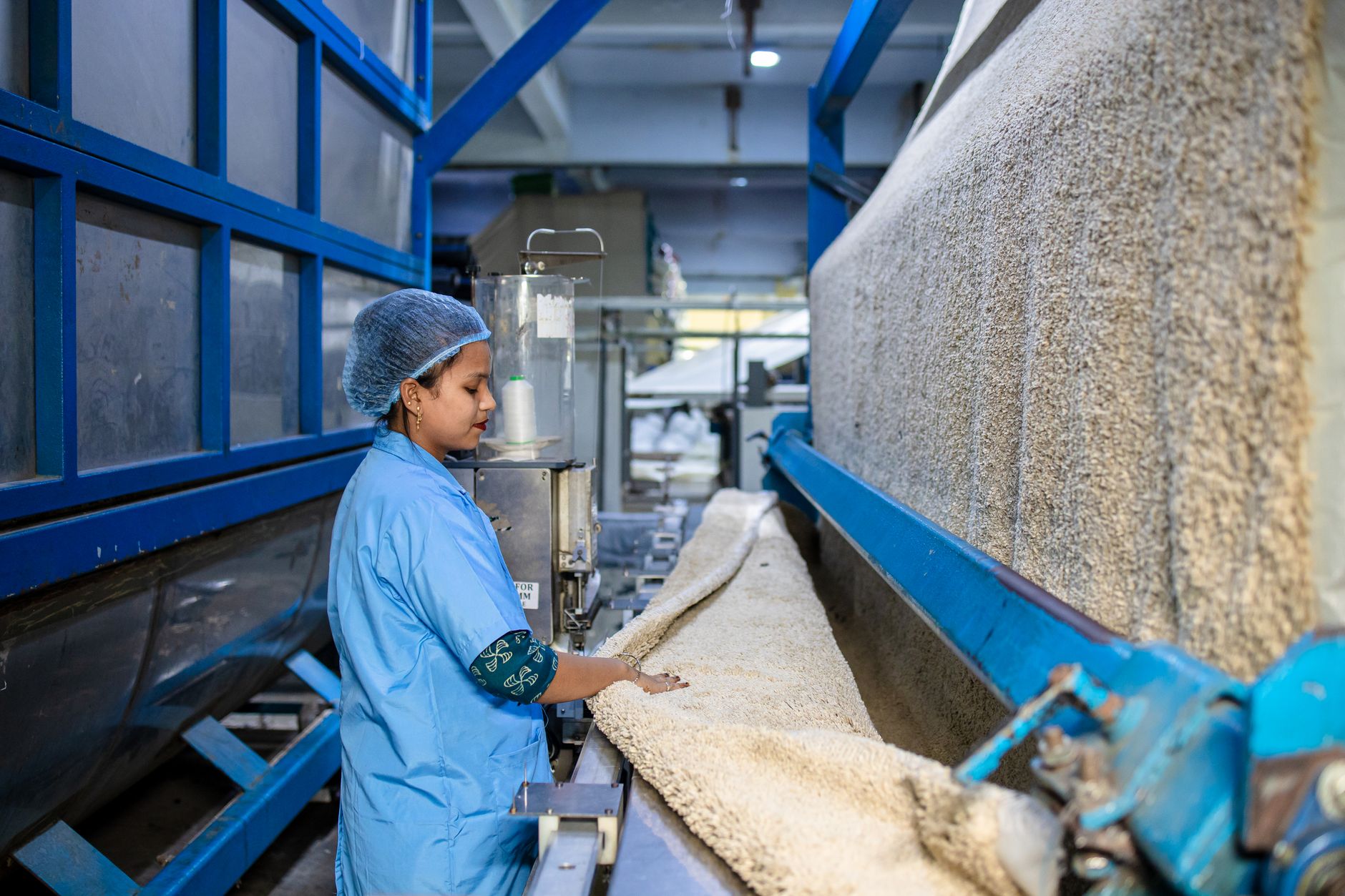
The reported throughput is direct and useful: the two automated cells can prepare up to 700 towels per hour for folding. For a repetitive task that had remained manual, that is a substantial gain in pace and consistency at a single choke point.
Just as important, the source reports that the laundry eliminated the labor shortage issue tied to this task and reduced labor costs significantly. The case study also describes the return on investment as fast, which fits the pattern of a focused automation project aimed at one stubborn bottleneck instead of a plant-wide rebuild.
What This Means for U.S. Operators
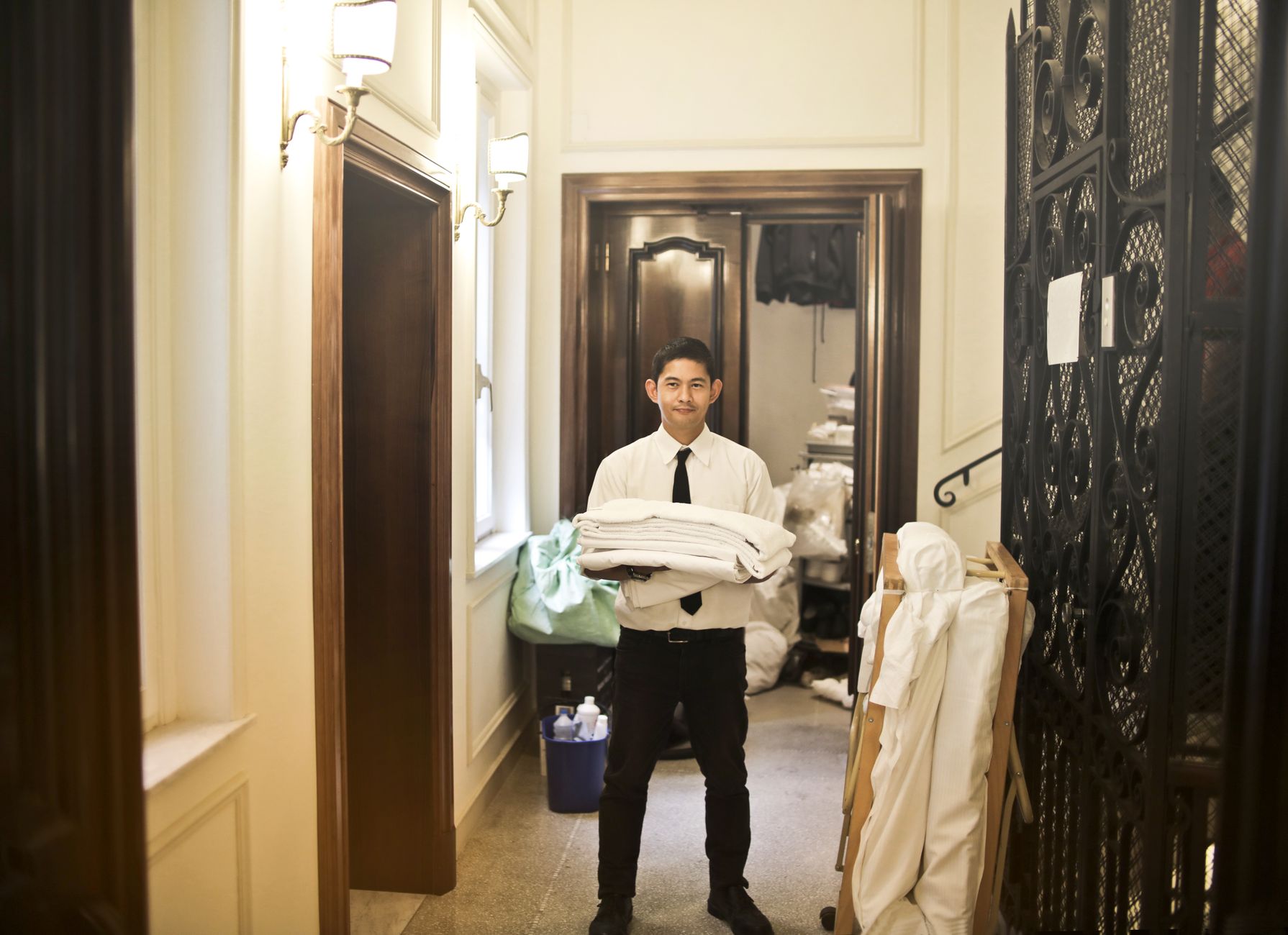
For U.S. laundries, the lesson is not that every site should copy this exact cell. It is that laundry-handling robots make sense when the process is already mechanized, yet one hand-fed step still governs pace, staffing strain, and presentation quality. That is where labor shortage robots stop being a novelty and start becoming straight operations logic.
Service Robot Co. did not run this documented deployment. What it offers is the commercial model a U.S. operator would need to pursue a similar project: a vendor neutral robot integrator that handles robot deployment and integration across manufacturers, arranges financing, trains operators, and services the equipment through a nationwide U.S. engineer network. One partner one number, from selection through the robot maintenance service plan.