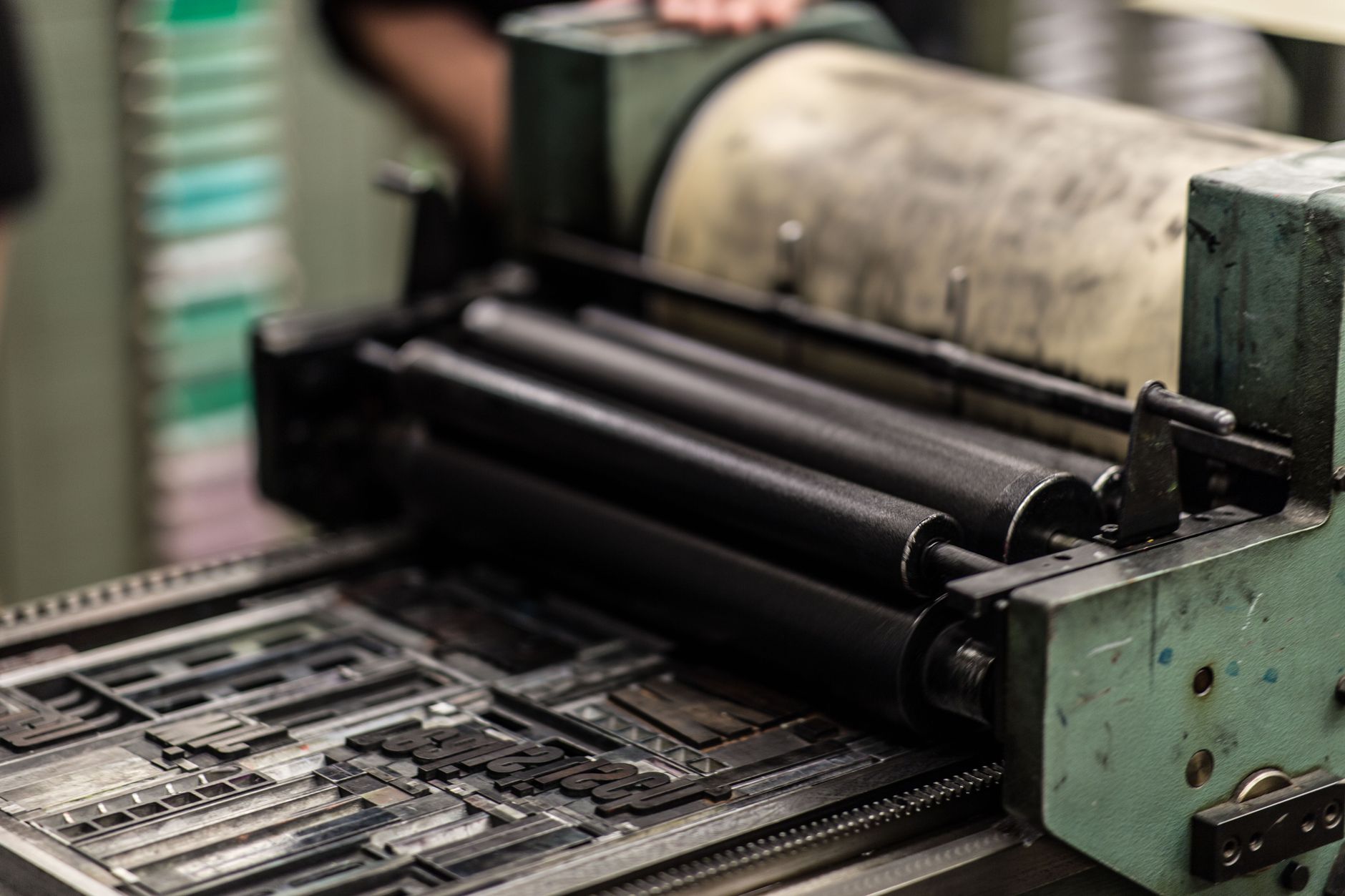
a century-old high-mix commercial printing plant
How a Commercial Printer Cut Material Handoffs From 10-15 Minutes to 30 Seconds
A century-old high-mix print plant used material transport AMRs so operators stopped leaving machines to hunt jobs, cutting each handoff to about 30 seconds.
- 30 sec
- Per AMR handoff
- 10-15 min
- Prior manual move
- 700/day
- Jobs in high-mix flow
- 100+ yrs
- Print operation
Based on a documented real-world deployment. Figures are from public reporting; the organization is not named.
Random routes and shrinking run lengths
This plant behaves like a true job shop. Every work order follows its own path through cutters, bindery, and mailroom stations staffed by skilled technicians. Hundreds of jobs circulate daily, and no two days share the same choreography.
Industry pressure pushed the mix toward smaller customized runs. Leadership described a shift from roughly twenty large jobs per day toward on the order of seven hundred smaller pieces moving through the building. Each piece still had to find the right next machine on time.
Fixed conveyors never fit the floor. Seasonal volume left skids in changing lanes, and layouts shifted often. Material moves stayed on people already responsible for production quality, which meant machines sat idle while operators searched the plant for the right stack.
- Non-linear flows that resist wire-guided automation
- Skilled staff pulled off value-add work to chase WIP
- Rising job count without a matching headcount plan
Autonomous carts for a reshaping floor
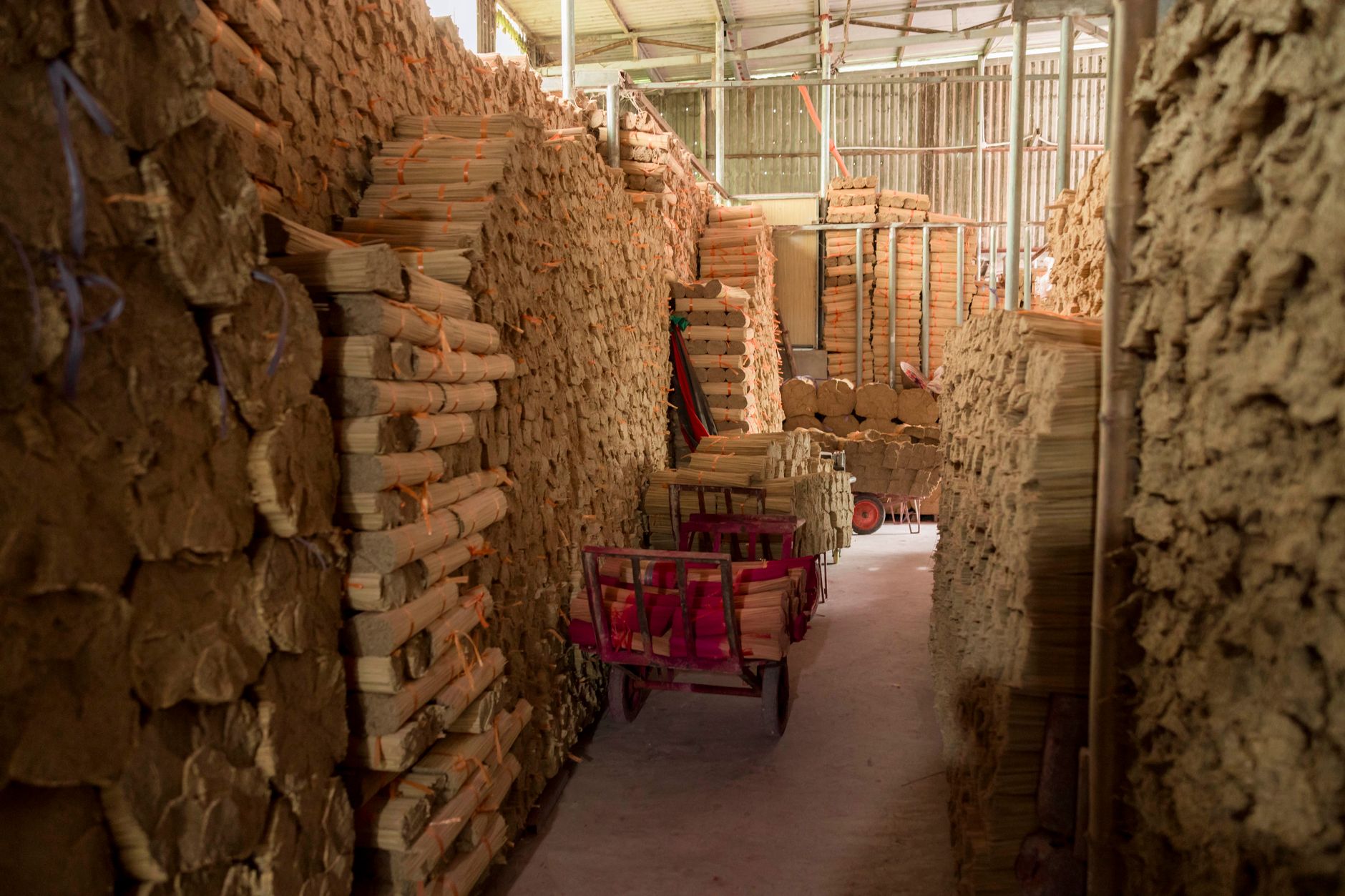
The team chose autonomous mobile robots because the fleet could reroute without new floor infrastructure. That mattered in a print environment where paths change with every seasonal surge and every new finishing line.
Technicians load finished work onto a robot, dispatch it, and return to the machine. Material flow staff coordinate the fleet while cutters and mailroom crews receive work at the station instead of walking the building to collect it.
Training focused on keeping overall equipment effectiveness high. Operators stay on the tasks they were hired for while the robots handle the repetitive transit between processes.
- Map dynamic lanes instead of installing fixed conveyors
- Pair production techs with a dedicated material-flow lead
- Roll out handoffs station by station as routes stabilize
Cycle time and focus on the machine
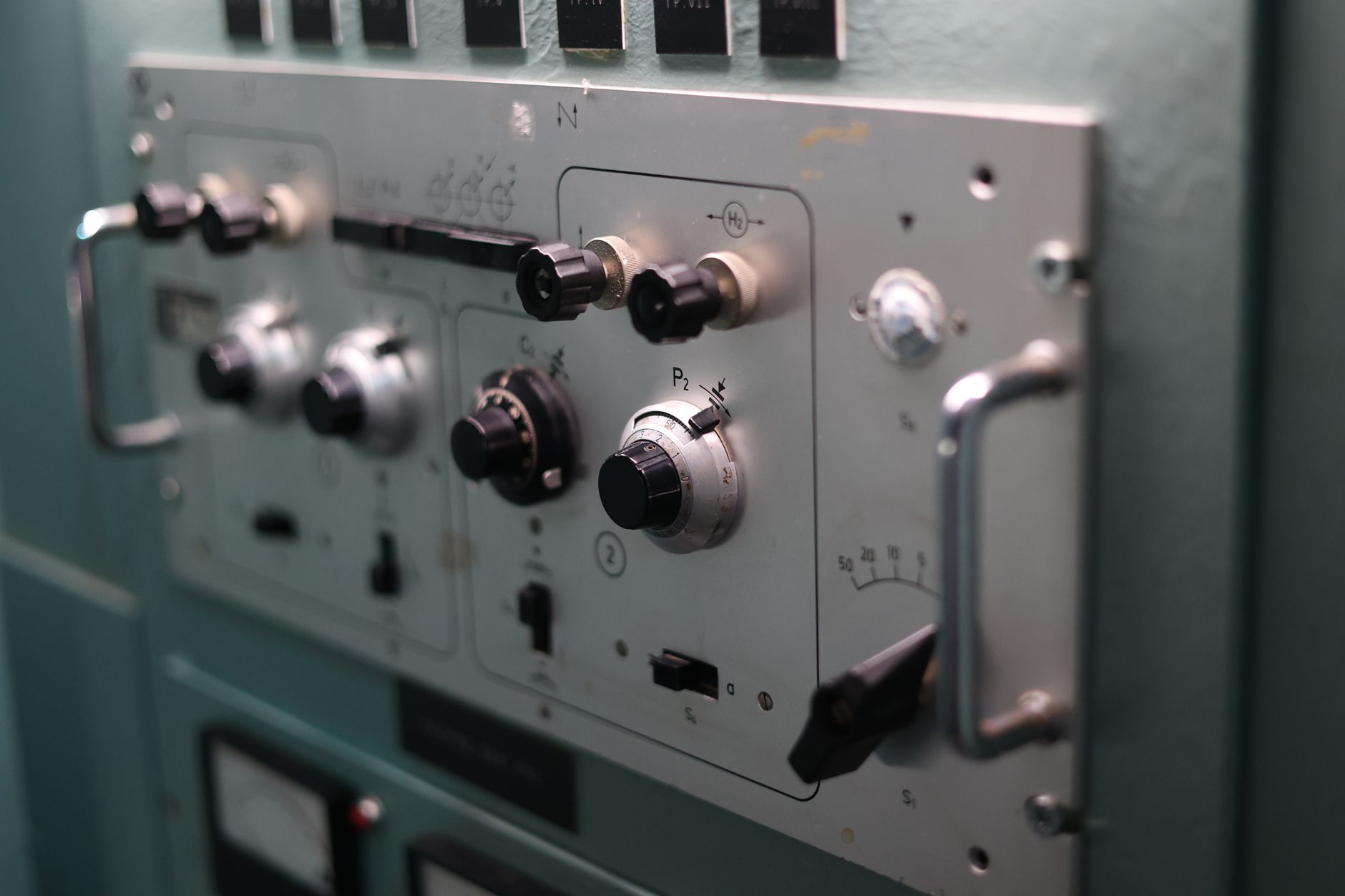
Before automation, an operator often stopped a machine, carried finished goods to the next step, and lost ten to fifteen minutes per trip. After deployment, the same move takes about thirty seconds: load, send, and stay at the control panel.
Management reported faster job-to-job movement and less distraction in cutting and mailroom areas. Work arrives at the bench instead of staff roaming aisles hunting a specific order spread across the plant.
The documented outcome is a sharp reduction in material-handling cycle time tied directly to keeping skilled people on production work rather than transit.
What high-mix plants can expect from integrator support
This story is a documented real-world example, not a Service Robot Co. deployment. It still illustrates why U.S. businesses look for vendor-neutral guidance when floor layouts refuse to sit still.
Service Robot Co. selects material transport AMRs across manufacturers, then finances, deploys, integrates, trains, and services units through a nationwide engineer network. One partner covers mapping, go-live support, and maintenance so internal teams are not stitching vendors together mid-rollout.
If your plant mixes short runs, seasonal clutter, and skilled labor you cannot afford to walk away from machines, a phased AMR rental or lease program can prove the thirty-second handoff on one corridor before you scale routes.