a community hospital campus in the Upper Midwest with understaffed environmental services and long ceramic clinic corridors
How a Community Hospital Campus Raised EVS Cleaning Productivity 50% With Scrubbers
Documented Midwest hospital EVS team used two autonomous scrubbers on split clinic routes, ran 8 to 10 hours daily, and reported 50% higher cleaning productivity.
- 50%
- productivity gain
- 2
- scrubber units
- 8-10 hr
- daily runtime
- 2x
- sq ft per hour
Based on a documented real-world deployment. Figures are from public reporting; the organization is not named.
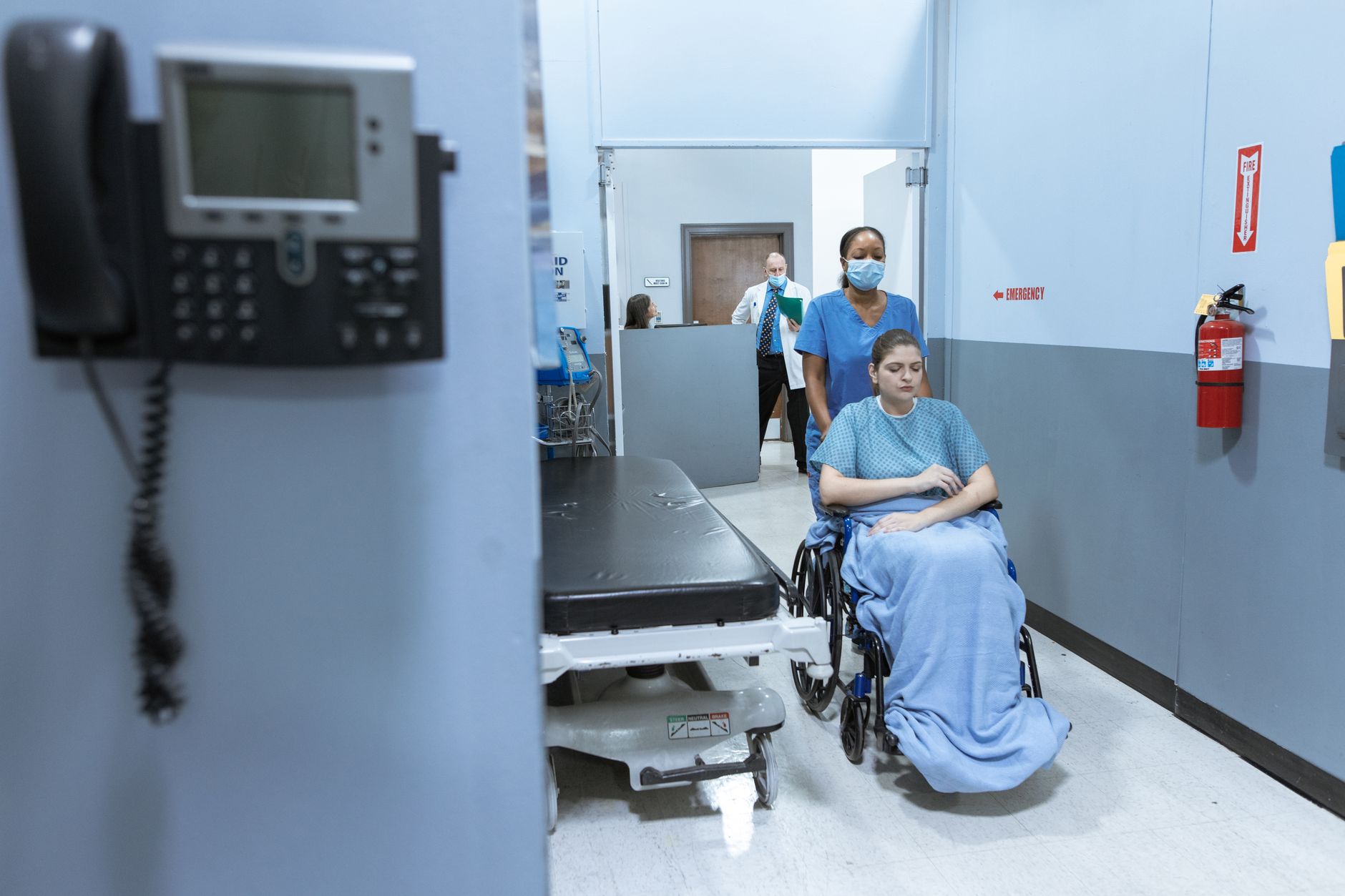
Short staffed EVS on long clinic corridors
Environmental services could not keep pace with open roles on a community hospital campus. First-shift teams faced a ceramic tile clinic hallway roughly eight thousand square feet long while still covering offices, patient zones, and support areas.
Supervisors spent too many hours behind a scrubber when they needed to coach staff, adjust schedules, and backfill other departments. Peak patient traffic left little margin for rework if a corridor fell behind early in the day.
Two scrubbers and a trained site champion
Leadership added two compact autonomous floor scrubbers and named an on-site automation champion to own routes, charging, and daily checks. The long clinic zone was divided into three mapped paths so one machine could run while supervisors returned to desk work between handoffs.
Crews ran the units about eight to ten hours per day across the campus, pairing robot time on hard floors with manual attention on touch points robots should not handle. Training focused on when to pause a route, how patients move through the hall, and who escalates a fault.
- Map three sequential routes on the main clinic corridor
- Train a site champion plus first-shift EVS leads
- Run scrubbers through occupied hours where policy allows
- Review square footage cleaned and intervention logs weekly

Measured productivity on the floor
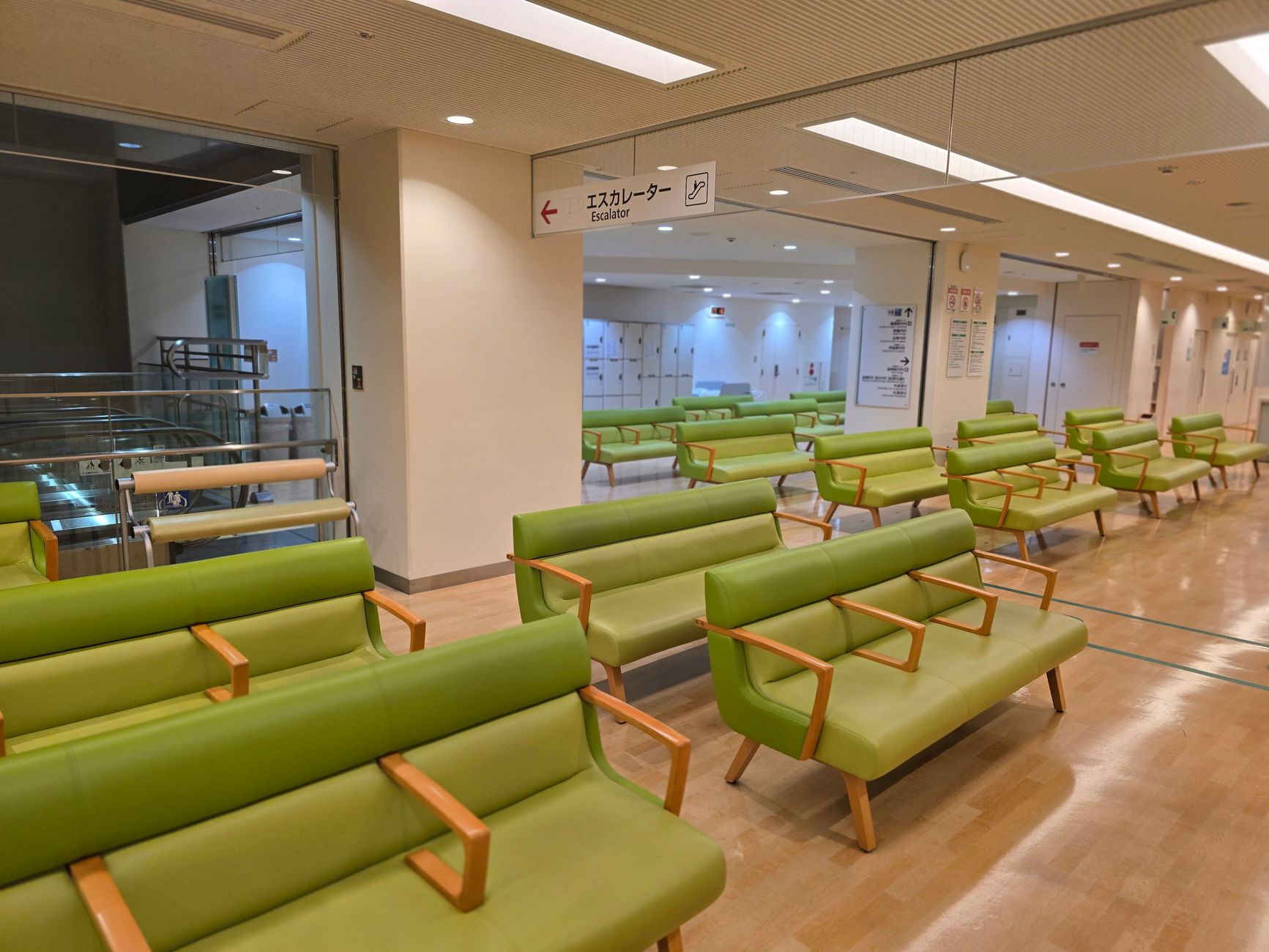
The documented deployment reports a fifty percent increase in overall cleaning productivity across the campus. Supervisors describe roughly doubling the common housekeeping benchmark of fifteen hundred square feet per hour on the routes they watch most closely.
On the flagship corridor, each of three segments takes about forty-five minutes per cycle, letting the lead start a route, handle office tasks, and return to swap paths without walking behind the machine the entire shift. Staff report more time for cross-department support because hard-floor scrubbing continues autonomously during those windows.
What hospital operators can take away
This write-up analyzes a public case study. Service Robot Co. did not deploy or service this campus. The pattern still matters for buyers: when EVS headcount is flat, autonomous scrubber rental on a monthly program can add effective hours without pretending one robot replaces infection-control judgment.
A vendor-neutral integrator matches machine size to corridor width, sets up lease or rental terms, maps routes with your team, and maintains units through remote triage plus on-site dispatch. Start with one clinic loop, prove completion rates, then expand to outpatient wings or garages.