
a Minnesota community hospital with an integrated clinic and cancer center campus
How a Community Hospital Cut Clinic-to-Lab Waits 15-20 Minutes with Delivery Robots
A Minnesota community hospital used an autonomous delivery robot for clinic-to-lab specimen runs, saving about fifteen to twenty minutes per patient daily.
- 15-20 min
- Per patient day
- 695
- Runs monthly
- 24/7
- Availability
- 13k+
- Early runs
Based on a documented real-world deployment. Figures are from public reporting; the organization is not named.

Specimen batches slowed the whole campus
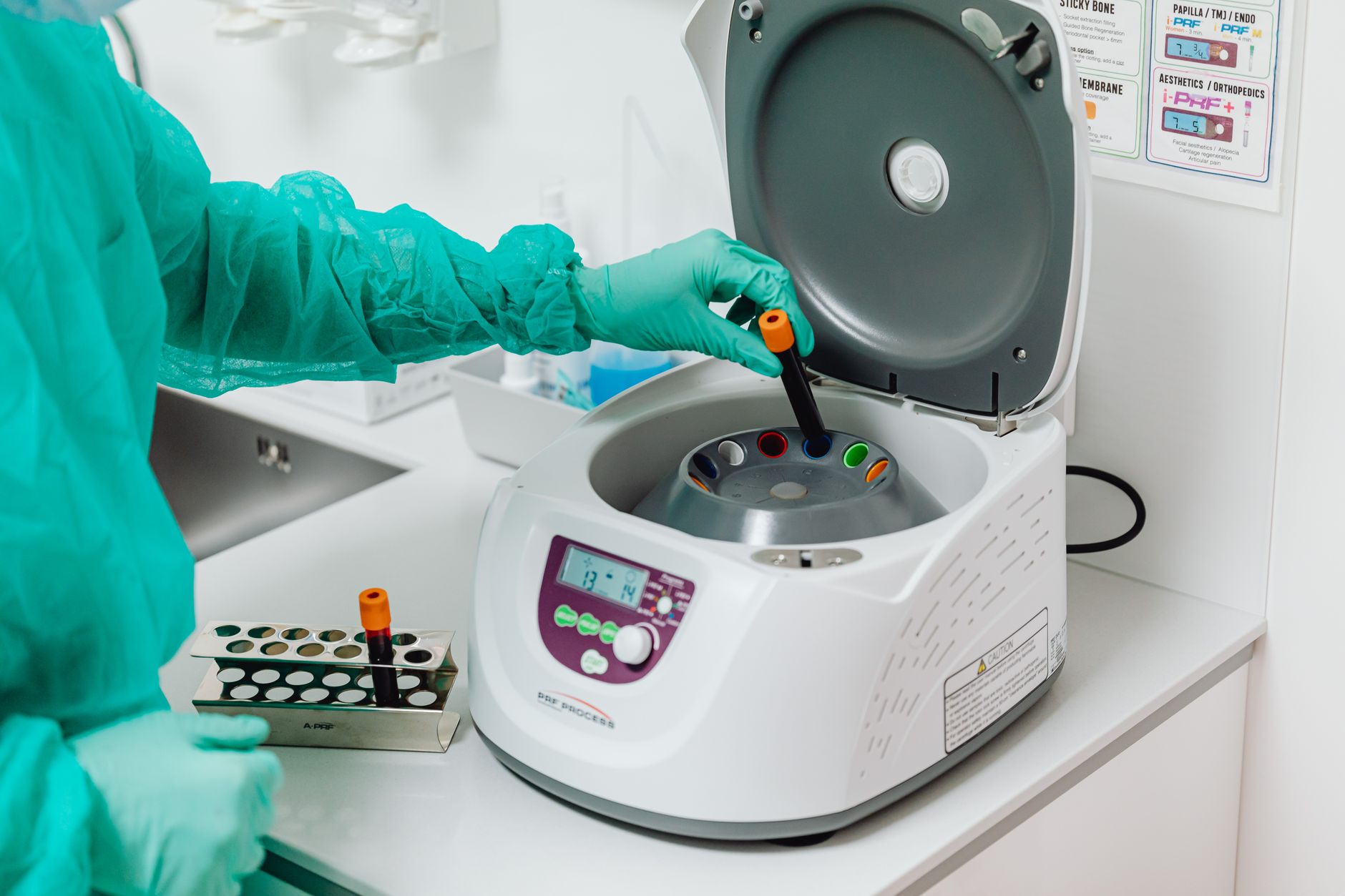
The health system combined hospital and clinic laboratories on one campus, but specimens still moved by hand between the clinic lab, hospital lab, and cancer center. Staff waited to batch collections before walking tubes across buildings, and cancer-center samples added urgency on an already thin schedule.
Every delay pushed patient wait times and tied up licensed technologists on courier work instead of bench testing. Leaders needed a predictable courier that could run between buildings without pulling nurses off the floor.
- Manual runs between three lab sites
- Batching stretched patient wait times
- Cancer-center samples needed faster handoffs
Autonomous courier on a fixed campus loop
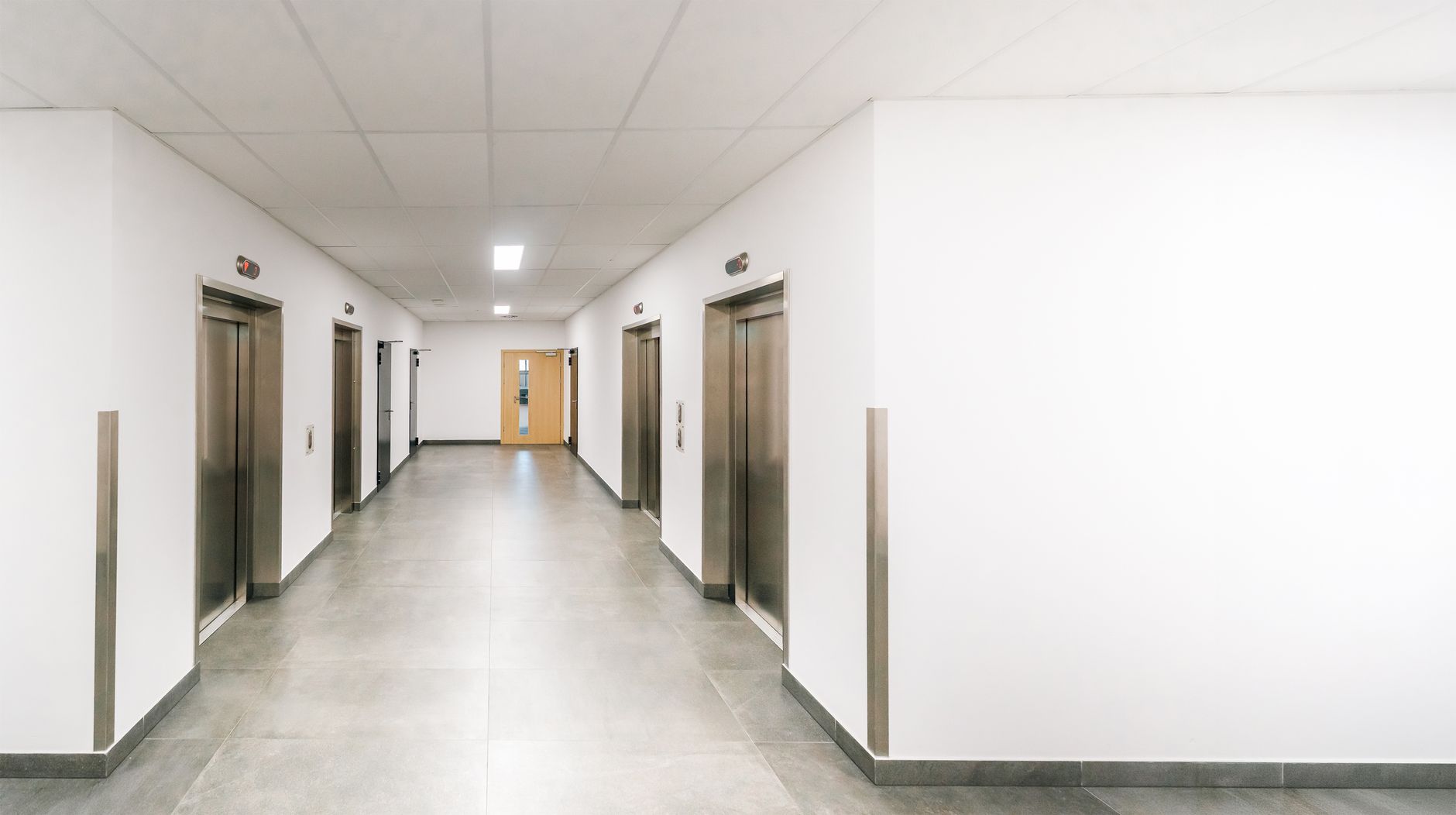
The hospital deployed one autonomous delivery robot after a community naming contest and trained lab staff to load sealed carriers at each collection point. The unit navigates corridors and elevators on scheduled and on-demand missions so technologists can release a run and return to patients.
Operations expanded from clinic-to-hospital routes into cancer-center deliveries once reliability held through nights and weekends. Pharmacy and nursing teams stopped coordinating ad hoc walkers and instead booked runs through the robot schedule.
- Mapped clinic, hospital, and cancer-center stops
- Trained lab staff as robot loaders
- Ran missions nights and weekends
Fifteen to twenty minutes back per patient day
The public case study reports roughly fifteen to twenty minutes saved per patient each day once the robot replaced manual specimen batches. Monthly delivery volume reached about six hundred ninety-five runs, with more than thirteen thousand completed in the first nineteen months of service.
Lab managers described licensed staff focusing on testing while the robot handled predictable tube moves. Patients saw shorter waits for results because draws no longer sat waiting for a human courier.
What community hospitals can copy
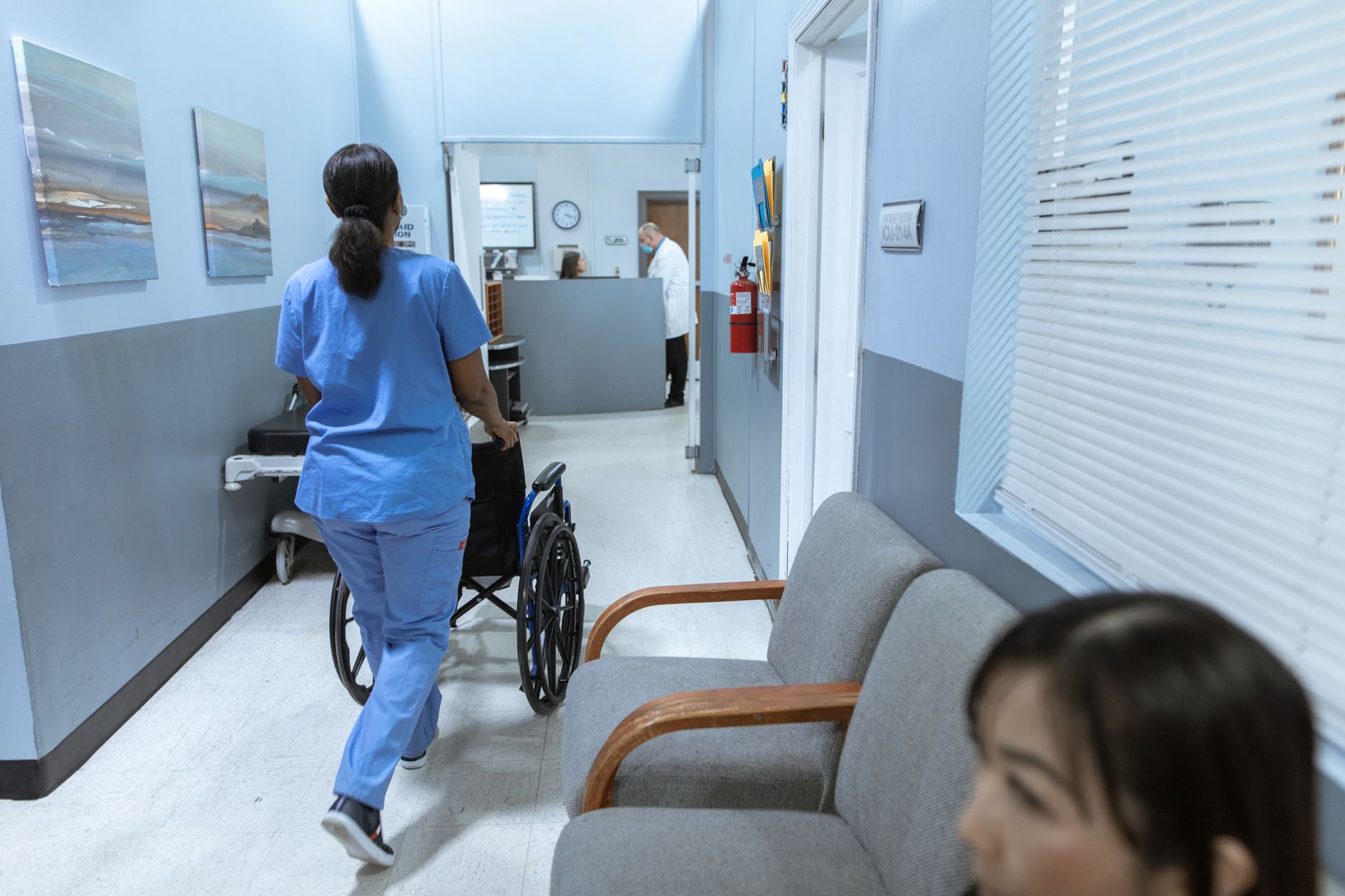
This write-up analyzes a documented deployment; Service Robot Co. did not run this specific project. It shows how hospital delivery robot leasing can start with one high-volume lab loop before expanding to pharmacy or nutrition runs.
Service Robot Co. compares delivery platforms OEM-neutrally, structures buy or lease financing with monthly payment programs, maps elevator and corridor handoffs on a walkthrough, and supports uptime through a nationwide network of regional service engineers.