a community hospital campus in the upper Midwest struggling to fill environmental services floor-tech roles
How a Community Hospital Raised Cleaning Productivity 50% With Autonomous Scrubbers
A Midwest community hospital deployed two autonomous scrubbers and reported about 50% higher EVS cleaning productivity across its campus.
- 50%
- Productivity up
- 10 hr
- Daily runtime
- 2x
- Sq ft/h vs avg
- 2
- Scrubber units
Based on a documented real-world deployment. Figures are from public reporting; the organization is not named.
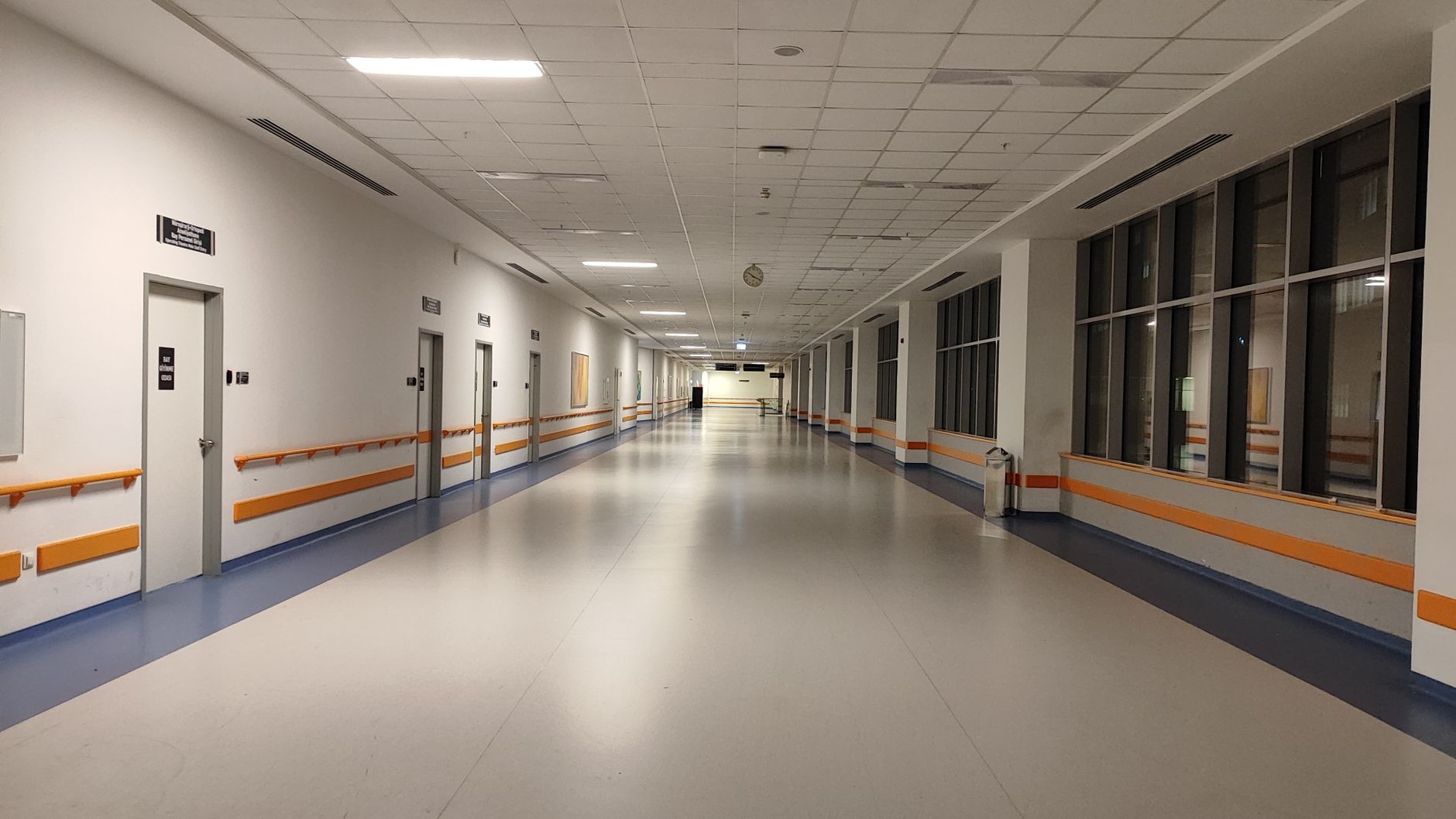
Unfilled floor-tech roles and long tile corridors
Environmental services at this community hospital could not keep a floor-tech opening filled for months while ceramic tile hallways still needed daily passes. Leaders were splitting one long corridor into three manual routes and still losing time to staffing gaps.
National housekeeping benchmarks assume about 1,500 square feet of floor work per hour, and the team was falling behind that pace while patient traffic stayed steady.
- Open floor-tech position for months
- Long ceramic tile corridors
- Limited time for detail cleaning
- Need consistent patient-area floors
Two autonomous scrubbers on split routes
The hospital added two compact autonomous scrubbers with on-site champions trained to schedule routes and respond to pauses. Units typically run eight to ten hours per day while supervisors handle other environmental tasks.
Long hallways were divided into mapped segments so one machine can finish a third of a corridor, recharge or swap, and continue without blocking clinical traffic.
- Name site champions for daily scheduling
- Map corridor segments for repeat coverage
- Run units through peak and off-peak windows
- Keep manual crews on touch points and restrooms

Productivity and coverage gains

Leaders report about a 50% increase in cleaning productivity across the campus since adding the scrubbers. They also describe roughly double the typical 1,500 square feet per hour housekeeping benchmark on monitored routes.
Supervisors rebalanced schedules because machines hold the floor while staff focus on detail work, supply runs, and support for other departments they oversee.
What this means for hospital EVS leaders
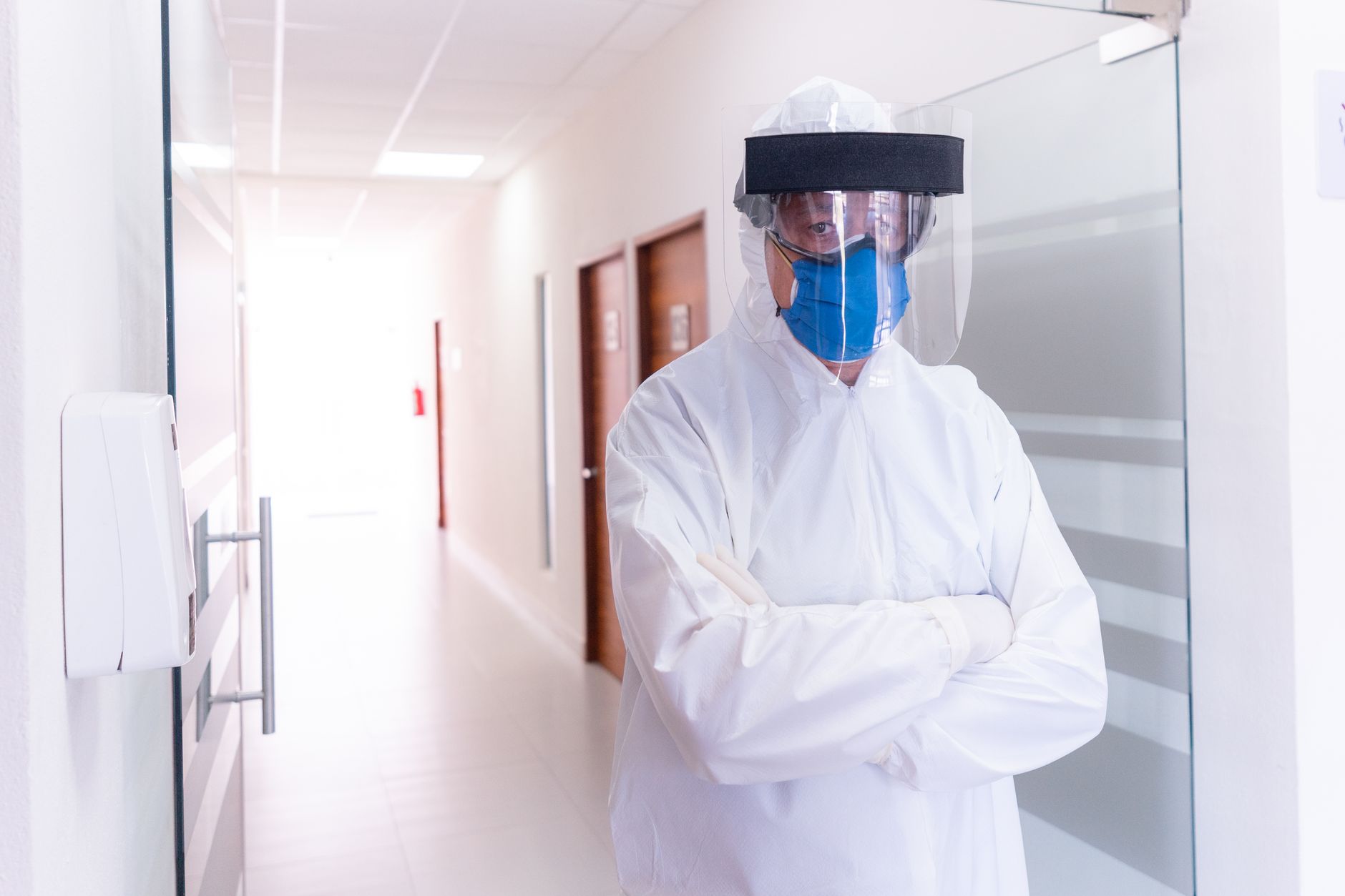
This story comes from a documented community hospital deployment analyzed for education. Service Robot Co. did not run this project, but the pattern is common: start with the longest, most repetitive tile runs, train champions, and keep service reachable when a unit pauses during flu season.
A vendor-neutral integrator can compare autonomous scrubber rental or lease options, pilot one corridor loop, and bundle financing, mapping, training, and nationwide service so environmental leaders answer to one partner instead of multiple OEM portals.