
a nonprofit commercial kitchen producing medically tailored meals
Meal Portioning Robots Complete Up to 4,550 Weekly Servings
See how AI food-portioning robots complete up to 4,550 weekly servings while reallocating two volunteers and tracking ingredient-level consistency.
- 4,550
- servings completed weekly
- 7
- meals in the weekly mix
- 29%
- higher labor productivity
- 2
- volunteers reallocated
Based on a documented real-world deployment. Figures are from public reporting; the organization is not named.
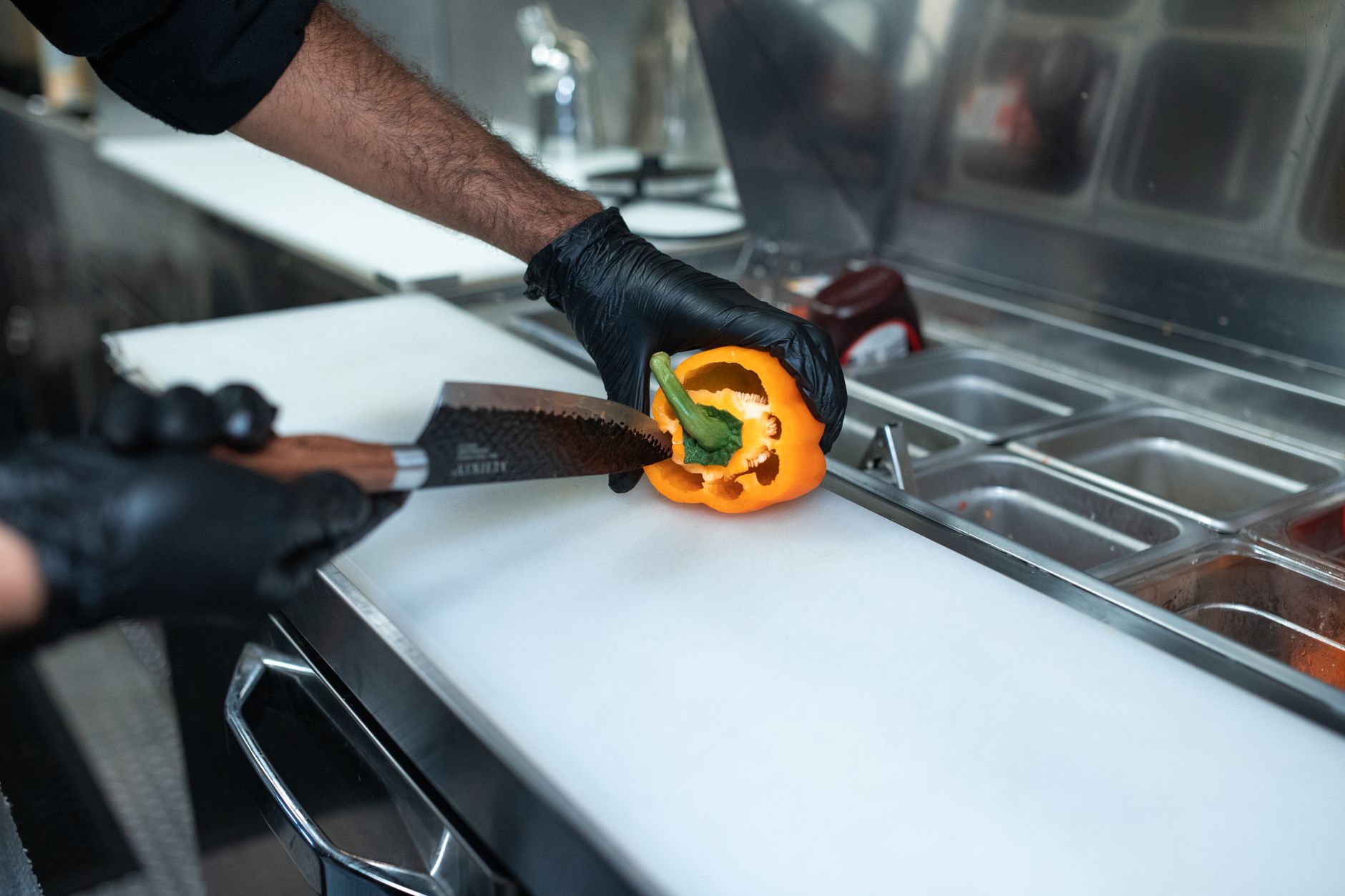
A vital production line with a variable crew
A nonprofit commercial kitchen producing medically tailored meals relied heavily on volunteers to portion food into trays. Because the crew changed almost daily, pace, deposit weight and presentation could fluctuate just as demand called for disciplined, repeatable production.
Manual scoops made consistent deposits difficult. Overportioning or underportioning is especially consequential when clients must limit particular ingredients, yet the kitchen lacked dependable throughput, yield and placement data from its manual assembly process.
The menu changed every day, so rigid fixed automation was a poor fit. A conveyor and tray-sealing equipment already handled parts of production, but portioning remained the bottleneck and cooks sometimes had to leave the cooking line to fill trays.
- Changing volunteer crews required repeated instruction and made production pace harder to hold.
- Manual volumetric scoops produced unavoidable variation in deposit weights.
- Daily menu changes demanded equipment suited to high-mix food production.
- Missing ingredient-level metrics limited nutrition control, demand planning and yield analysis.
Flexible portioning placed inside the existing line
The kitchen introduced two AI food-portioning robots on its existing production line. Each unit occupied roughly the footprint of a person, worked alongside volunteers and could be installed without bolting down equipment or retrofitting the short conveyor.
Selection centered on food variability, rapid recipe changes and measurable deposits. AI-based perception handled changing ingredient characteristics, while integrated scales recorded every pick and supplied the data needed to assess yield and consistency.
The system was operating within weeks and supported ingredient changeovers in less than five minutes. The published account does not describe formal robot pilot program gates, training duration or an ongoing service agreement, so none should be inferred from the reported outcome.
- Match the equipment to variable foods, tray formats, portion sizes and the existing conveyor.
- Place two collaborative units directly into the manual portioning positions.
- Onboard meals and ingredients from a rotating library of 70 ingredients.
- Use per-pick weight records to watch yield, consistency and bowl-level deposits.
- Keep volunteers beside the line while moving repetitive portioning work to the robots.
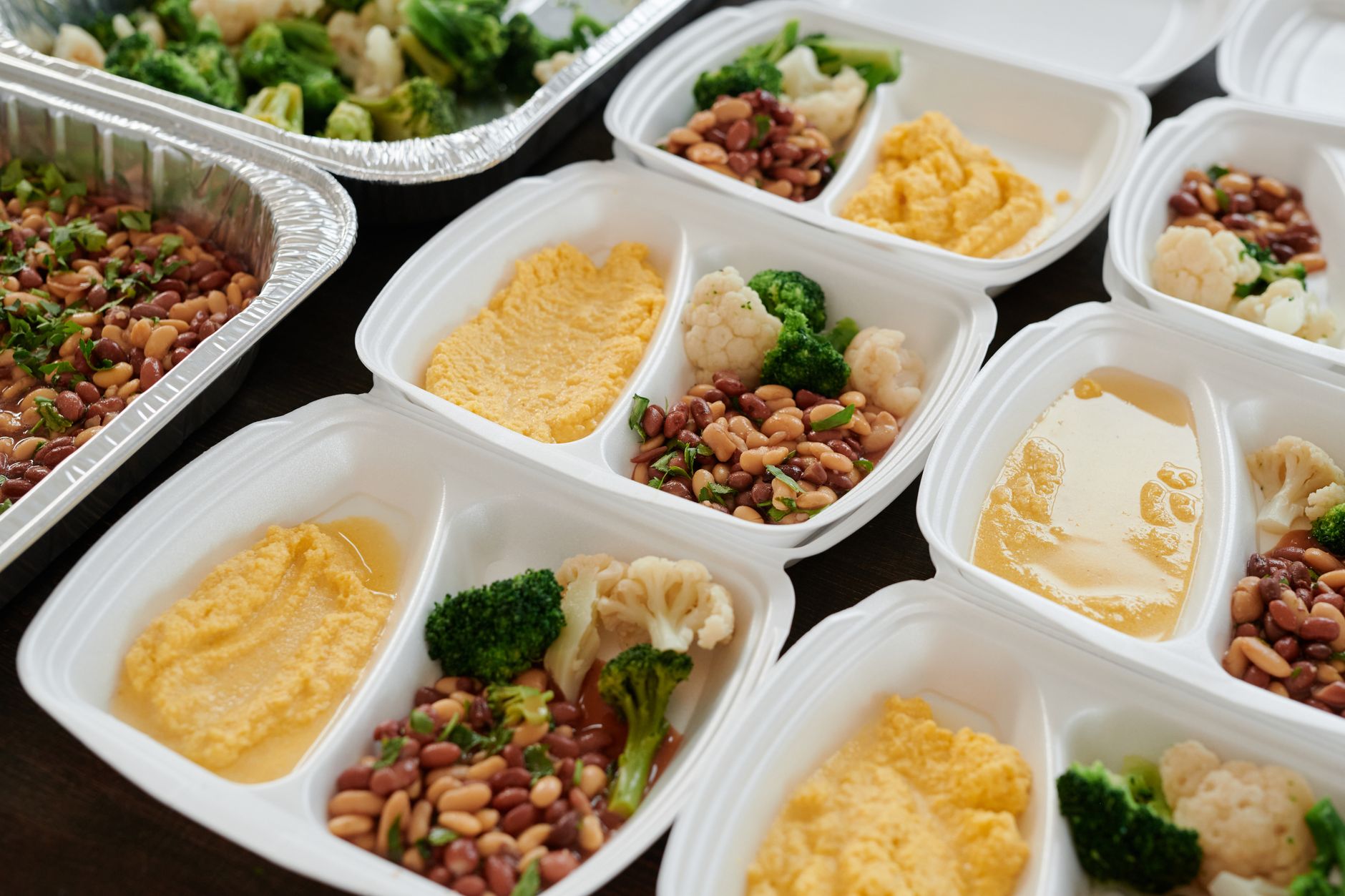
More output discipline without sidelining volunteers
The robots completed up to 4,550 servings across seven meals per week while the kitchen continued meeting its throughput goals. Labor productivity rose 29%, a meaningful gain for an operation whose staffing pool changes frequently.
Before deployment, seven volunteers assembled meals on the line. With two robots in place, two volunteers moved to other kitchen tasks involving fewer repetitive motions, while meal-tray production maintained a steady pace even when volunteer availability was limited.
The operational gain extended beyond throughput. The kitchen could track yield and consistency across all 70 ingredients, receive reliable data at the ingredient and bowl level, reduce food giveaway and calculate nutritional values with better production evidence.
The integrator’s job starts before the robot arrives

This documented example was not a Service Robot Co. client deployment. It shows why food-production automation begins with process fit: ingredient behavior, sanitation, changeover demands, conveyor geometry, deposit control and the work people should retain all shape the right equipment choice.
Service Robot Co. serves US businesses as a full-service, OEM-neutral commercial robot integrator. We assess the site, select across manufacturers, arrange financing, manage robot deployment and integration, train the operating team and support deployed equipment through a nationwide US engineer network. A single accountable vendor owns the lifecycle.
For a nonprofit evaluating collaborative robot arm leasing, cobot leasing or a leasing structure, that model keeps the equipment decision tied to the production requirement. Options can include purchase or lease, monthly payment programs and RoboCare™ service, subject to the deployment agreement. The aim is a food-portioning system that fits the menu and line, backed by service after go-live.